What is “dog following owner” behavior? It is when a pet acts like a shadow, moving from room to room and staying near people. This piece will give clear, practical information and set expectations for a long-form guide.
This behavior sits on a spectrum. At one end, it is normal social closeness. At the other, it can be clingy or show panic. We will explain how to tell the difference.
Later sections break causes into common buckets: instincts, reinforcement, routine, boredom, comfort-seeking, and health-related changes. Knowing the why matters because the best fix depends on whether the animal seeks connection, reward, or relief from stress.
Safety note for owners: Constant weaving underfoot can cause trips in kitchens, on stairs, and in tight spaces. Management and training protect the bond and reduce risk without punishment.
This article focuses on present-day U.S. household dynamics and favors humane, bond-preserving approaches to help dogs that tend to follow everywhere.
Why Dogs Follow People Everywhere: What This Common Behavior Means
A modern household often serves as a social group, so many pets treat the people who live there as their pack. This instinct traces to ancestral life where staying with the group improved safety and access to resources.
Pack instincts explain everyday tracking: movement often signals the group is shifting, so staying close is a default, not misbehavior. In practical terms, that means a pet may move room to room simply because you moved.
Social bonding and companionship also play a big role. Many animals prefer proximity because they enjoy being near their favorite people. Close contact offers comfort and easy access to play, attention, and care.
Another reason is the desire to keep things in sight. Visual contact reduces stress and helps a pet predict where the household is headed. Intensity varies by temperament, routine, and past experience.
For more detail on common reasons and practical tips, see this short guide on why dogs follow their people.
Most Common Reasons for dog following owner Throughout the Day
Small, repeated moments—meals, pats, and outings—turn proximity into a habit for many pets. Across the day, simple cues teach what pays off, so tracking people becomes a predictable routine.
Positive reinforcement: attention, affection, treats, and “the bringer of good things”
When contact or treats reliably follow close contact, the pattern strengthens. A pat, eye contact, or a snack after someone enters the kitchen tells the animal that staying near wins rewards.
Even scolding can act like attention. That means a reprimand may accidentally reinforce the behavior if it gets a reaction.
Routine tracking: meals, walks, and learned household patterns
Pets learn schedules. Morning coffee often means a walk; dinner prep signals food. Staying nearby is a practical way to avoid missing out.
Boredom and excess energy
A restless animal with little stimulation makes people the most interesting moving thing in the home. During long work hours, this can look like persistent shadowing.
Comfort-seeking: fear, uncertainty, and health cues
Storms, strangers, or sudden noises can trigger anxiety, so a companion seeks safety near a person. If clinginess comes with appetite change, lethargy, or unusual restlessness, check for health issues or rising anxiety and consult a vet if needed.
- Quick tip: Map when the behavior spikes—meal times, loud evenings, or idle afternoons—to choose the right response.
Why Your Dog Follows You and No One Else
Animals tend to bond strongest with whoever consistently provides what they value most.
Primary caregiver vs. most fun person. One person may control meals, walks, and vet care. Another may lead play and treats. The first builds routine; the second builds excitement. Identifying which role your pet prefers helps you choose the right steps.
Rescue and past experience matter. Dogs from unstable backgrounds often cling to a single safe anchor. That behavior can reflect lower confidence, not misbehavior.
“Following one person is common and usually practical; it becomes a problem only when it limits the household or signals major anxiety.”
Spread attachment across the family:
- Rotate feeding and walks among family members.
- Schedule short, solo play or training sessions for each person.
- Avoid one person always handling departures or returns.
| Role | What It Provides | Simple Tip |
|---|---|---|
| Primary caregiver | Meals, structure, vet visits | Rotate meal duties weekly |
| Most fun person | Play, treats, games | Let others lead short play sessions |
| Rescue anchor | Safety, calm presence | Build confidence with varied people and routines |
Following Around the House in Specific Moments
Certain household moments trigger predictable shadowing; bathrooms and kitchens top that list.
Why dogs follow owners to the bathroom: scent, curiosity, and exploration
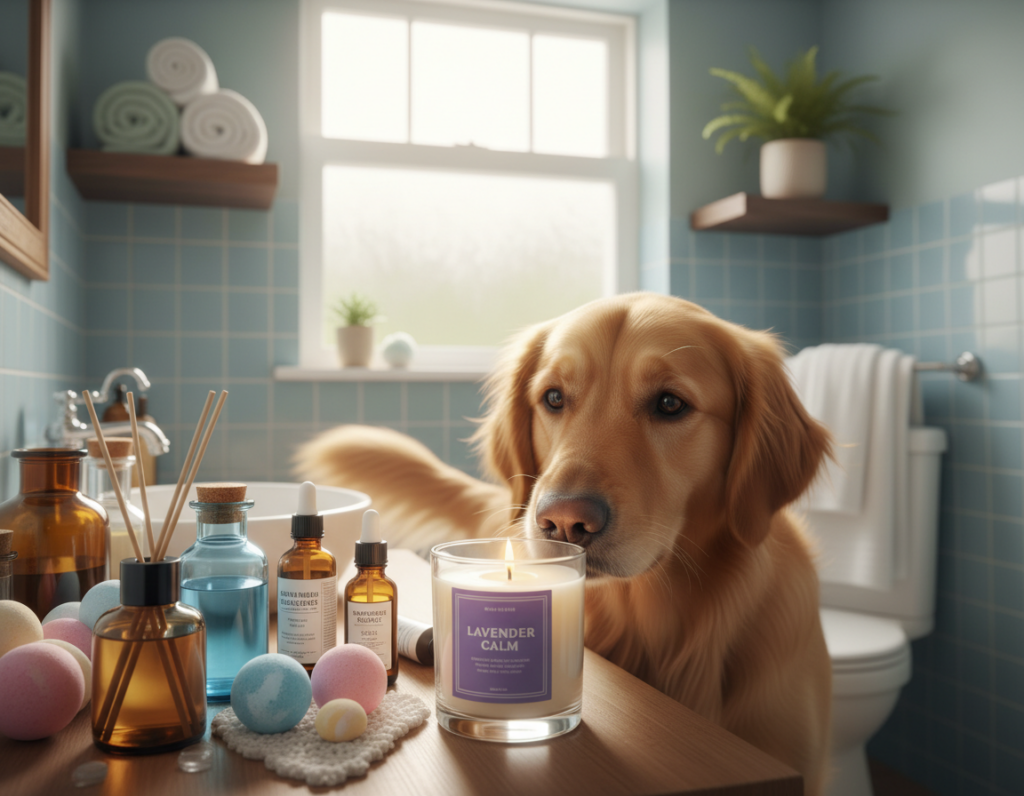
The bathroom is a scent-rich room where many intense odors and new objects attract investigation.
A companion’s nose detects family scent on towels, wastebaskets, and surfaces that seem mundane to people but are full of information to animals.
Curiosity drives the behavior more than anything. The space offers novelty and a chance to sniff things that tell a bit about the household world.
Mealtime and kitchen shadowing: how food cues shape behaviors
The kitchen is a cue-rich area: movement toward cupboards or the fridge often predicts food.
Standing nearby has often led to rewards—dropped scraps, handouts, or attention—so the pattern strengthens without owners noticing.
Personal space note: It’s fine to set boundaries. Tight rooms can be risky when a pet weaves underfoot.
Later sections explain how changing cues and teaching a rewarding mat or bed can redirect this pattern without harming the bond.
Puppies, Newly Adopted Dogs, and Senior Dogs: When Life Stage Changes the Behavior
At different points in life, animals use proximity for learning, safety, or comfort.
Puppies and imprinting
Puppies learn the world by staying close. Young pups use proximity to pick up routines, rules, and safe patterns.
This intense attention usually eases by six months as independence grows.
Newly adopted animals
In a new home, a pet may stick near people while it rebuilds confidence.
Predictable schedules and gentle enrichment speed adjustment.
Older companions and changing needs
Longstanding habits differ from new clinginess caused by reduced sight, hearing loss, joint pain, or cognitive decline.
Watch for appetite, sleep, mobility, or bathroom changes.
When to see a veterinarian
If a sudden shift occurs, schedule a vet visit. New intensity plus sleep, appetite, mobility, or toileting changes often points to a medical issue.
- Checklist: abrupt clinginess, appetite change, lethargy, limp or confusion — call your veterinarian.
- Support: steady routines, short training wins, and safe enrichment build confidence across life stages.
Velcro Dogs vs. Separation Anxiety: How to Tell the Difference
A strong bond looks different from a panic response; watching how an animal reacts when left alone helps tell them apart.
Velcro dogs show a clear preference for closeness. They settle when given space and return for comfort. Separation anxiety, by contrast, is a panic reaction when a person leaves.
Closeness preference vs. panic
Panic can escalate into persistent pacing, vocalizing, or destructive acts during separation. These behaviors feel urgent and hard to interrupt.
Body language clues
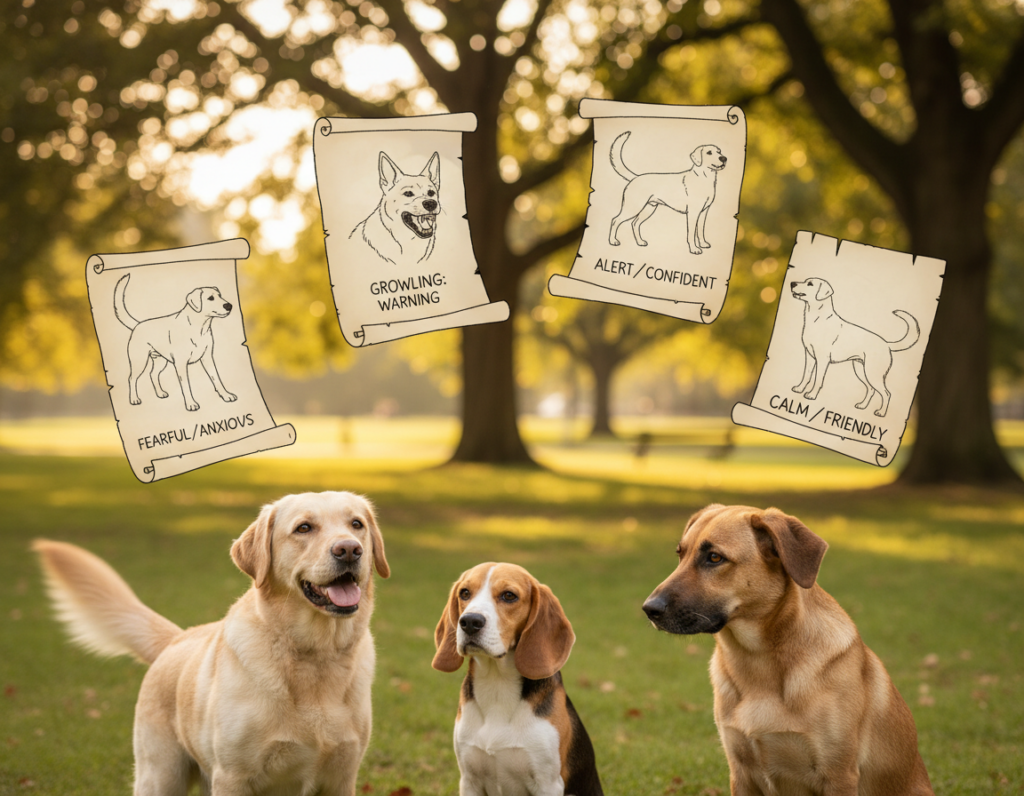
Look for tension through the body, wide eyes, ears pinned back, and grimaced panting. Refusal of treats is a key sign; anxious animals often lose interest in food or play.
Simple at-home check
Try short trials: close a baby gate or step out of the room for one to three minutes. Note whether the pet can settle calmly or becomes agitated quickly.
“If distress appears fast and severe, seek professional advice rather than relying on self-screening.”
For a concise primer on velcro behavior vs panic, read this guide on velcro dogs vs separation anxiety. This check is not diagnostic but can guide whether to start independence training or get help.
How to Reduce Excessive Following Around Without Damaging Your Bond
Begin with predictable exercise and mental work to lower restless shadowing at home. A tired companion settles faster, so add walks, play sessions, and short training games each day.
Remove accidental rewards. Avoid talking, touching, or scolding when the animal trails you. Even negative attention can act like a treat and keep the pattern alive.
Provide independence activities
Offer food puzzles, long-lasting chews, and rotating toys near a favored bed. Pair the bed with calm treats so the mat becomes a clear, rewarding place to settle.
Train “place” and “stay”
Build distance and duration in small steps. Use short sessions, increase time slowly, and praise calm behavior to grow confidence without flooding.
Mat work and calmness training
Follow a structured relaxation protocol to teach settling through mild distractions. Karen Overall’s Protocol for Relaxation is a practical framework to shape calm responses.
Know when to get help. Some breeds are more handler-focused, but all can learn independence with consistent training. Consult a certified trainer for persistent issues, and see a veterinarian if sudden anxiety, health changes, or severe separation anxiety appear.
“Small, consistent steps protect the bond while teaching healthier, calmer choices.”
Conclusion
Healthy attachment looks like comfort near people and calm when apart. A balanced bond lets a companion enjoy closeness but also settle alone without panic.
Quick summary of the main reasons a pet tracks people: instinct and bonding, reinforcement and routine, boredom or comfort-seeking, and sometimes health changes. These are the key reasons dog follows and why patterns form.
Watch for red flags: sudden change, inability to settle, or panic when left — each can be a sign of a deeper issue. If the behavior is dangerous underfoot or escalates, act sooner rather than later.
Practical next steps: meet exercise needs, stop accidental rewards, offer independent activities, and use mat/place work to build calm. If progress stalls or distress continues, involve a qualified trainer and/or a veterinarian to protect both the pet’s well-being and the daily life of owners.