Anúncios
Digging is a natural, joy-filled instinct passed down from wolves. Many pets excavate without training; it’s not a moral failing but a normal urge that can become a problem in the wrong place.
This short guide helps you diagnose why your animal digs, reduce destructive holes, and redirect the energy into safe outlets.
Common triggers include prey drive, temperature comfort, denning and caching, boredom or anxiety, and escape attempts. Recognizing patterns is the first step to prevention.
Why this matters: repeated craters harm lawns, ruin gardens, and create trip hazards. More seriously, tunneling under a fence risks roaming, traffic injuries, or conflicts with other animals.
We favor humane training: supervise, enrich, and change the yard’s purpose rather than punish. You’ll learn how to tell instinct from problem, spot patterns, set up an approved dig zone, and protect your landscape while keeping your pet safe.
Anúncios
Why dogs dig and when it becomes a problem in your yard or garden
Some yard and garden digging starts as instinctive exploration and stays harmless; other times it escalates into destructive routines.
Normal vs. destructive: A few light scratches before a nap are normal. Sustained excavation that leaves many holes across a lawn or wrecks a flower bed is a clear problem.
How to spot the common types
- Single spot: One favorite spot that reappears — often near shade or a sprinkler.
- Roaming digger: Samples multiple areas across the yard until something rewards them.
- Repeat craters: Holes that deepen over time, which can signal escape attempts or prey hunting.
Pattern recognition matters. A trench along a fence usually signals an attempt to get out. One pit near a sprinkler may mean the animal seeks cool soil.
Anúncios
Note the times of day activity happens. Time clues point to temperature, wildlife, or separation stress. In U.S. neighborhoods, roaming animals risk impoundment, injury, or neighbor conflicts, so fence-related cases need quick fixes.
Next: Breed history and instinct explain the way digging appears, even in well-trained pets.
The instinct behind digging: what your dog’s ancestors and breed were built to do
Excavation often begins with heritage, not household training. Many modern companions carry motor patterns that trace back to wolves. These patterns make digging feel automatic—similar to barking or sniffing—because they are hardwired.
Wolf-rooted motor patterns
Motor patterns are repeatable actions animals perform without practice. In this case, making a shallow hollow for rest or to hide scent is part of that package. When you see this, think biology rather than bad manners.
Earthdogs and hunters
Humans amplified these tendencies in certain breeds. Terriers are classic earthdog types selected to pursue quarry into tunnels. Other hunting or scent breeds—Dachshunds, beagles, and basset hounds—also show strong prey interest when scent cues are present.
Comfort diggers: cold-climate breeds
Some northern, thick-coated breeds dig to reach cooler earth or to make a sheltered hollow. In many cases, managing temperature and offering approved outlets works better than punishment.
“Understanding an animal’s genetic make-up turns frustration into a practical plan.”
| Breed type | Typical motive | Management tip |
|---|---|---|
| Terriers / earthdogs | Chasing prey underground | Create a dig zone and redirect scent games |
| Hunting/scent breeds | Alerted by smells, active pursuit | Use tracking play and supervised yard time |
| Northern/heavy-coated | Temperature comfort, sheltered hollows | Provide cool bedding and shaded areas |
Practical takeaway: breed history is a helpful clue but not the whole case. If a pet’s profile suggests strong instincts, plan for legal outlets—sand pits, scent sports, and supervised play—rather than only saying “don’t dig.”
With that instinctive foundation clear, you can next identify the triggers that activate it in your yard today.
Common triggers of dog digging behavior
Understanding the reasons behind holes helps you pick the right fix. Below are clear triggers grouped so you can spot goal-driven versus state-driven causes and act accordingly.
Goal-driven motivations
Prey drive: Dogs may lock onto one spot where moles, mice, voles, or rabbits run. They dig intensely where scent is strongest and can be hard to interrupt.
Caching and treasures: Burying toys, bones, or things is a heritage habit — a safety deposit for valued items.
Escape: Holes along a fence or at corners are often a means to reach the other side for roaming, mates, or excitement.
State-driven motivations
- Heat relief: Scraping a shallow bed to reach cool ground. Provide shade, cool mats, or indoor breaks.
- Cold and shelter: Making a hollow to block wind — better to offer proper shelter than leave them to self-insulate.
- Denning for puppies: Nesting is normal in pregnant females; set up a safe whelping place and consult your vet.
- Boredom and anxiety: Under-stimulated pets in the yard or kennel may dig out of boredom or to soothe stress; enrichment and attention are the real fixes.
Practical tip: For a constructive outlet, create an approved dig zone and reward finds so the yard becomes a purposeful place.
Bed and couch digging: what it means and when to worry
Many companions perform a short nesting routine on beds and sofas before they lie down for the night. This pre-sleep sequence—circling, pawing, then settling—helps a pet make the surface comfortable and secure.
Bedtime rituals and nesting
Normal ritual: Short bouts of scratching or circling are common across breeds. These actions often last only a few seconds and end when the animal rests.
Scent-marking and claiming a spot
Paw glands can deposit scent when scratching. This is usually a simple “this is my place” cue rather than aggression. A blanket or dedicated bed makes the spot familiar and satisfying.
When it becomes a concern
Watch for sudden onset or intensification. If the activity grows more frequent, occurs during the day, or comes with panting, pacing, or whining, it may signal anxiety or a routine change.
- Common triggers in U.S. homes: a move, new baby, schedule shift, construction, or another pet.
- Simple fixes: add a durable cover, tuck in a soft blanket, or give a lick mat before sleep.
“If scratching becomes compulsive or causes skin irritation, consult your veterinarian.”
Practical tip: If the pattern is nightly and brief, it is usually normal. If it disrupts sleep or quality of life, seek a vet or certified trainer to rule out medical or anxiety-related causes.
Step-by-step: diagnose the reason your dog is digging
Start your investigation by watching when and where the holes appear; timing often reveals the motive.
Quick checklist — follow this in order:
- Log the time of day, temperature, and weather each time digging begins.
- Note the exact spot in the yard and what happened just before the activity started.
- Record whether the action reaches a goal (escape, prey) or looks like a repeated habit.
Pattern spotting
Fence-line holes at dusk often match wildlife movement. Midday shallow scrapes in sun usually point to heat relief.
One recurring pit in the same place suggests scent or prey as the end goal. Multiple random scratches during idle hours suggest a habit that self-rewards.
Means to an end vs. habit
Means to an end: If the animal reaches a critter or slips under a barrier, the action will continue until you stop success.
Habit: If it happens during unsupervised, bored time with no clear payoff, it is likely self-reinforcing and needs new outlets and structure.
Management gaps and immediate controls
- Check for unsupervised yard time and easy access to favorite spots.
- Temporarily block high-value areas, supervise sessions, or use a long-line so the dog cannot rehearse the action.
- Ask: what changed? New neighbors, pets, storms, or schedule shifts can explain sudden starts.
Decision point: once you place the case into prey, comfort, denning, caching, boredom, anxiety, or escape, choose matching training and enrichment in the next sections.
“Effective solutions start with careful observation; fix the driver, not just the hole.”
Training and enrichment that reduce digging without fighting instinct
Small, consistent changes to exercise and play will reshape how your yard feels to your pet. Make the outdoors a place for short work and fun, not the only outlet for excess energy.
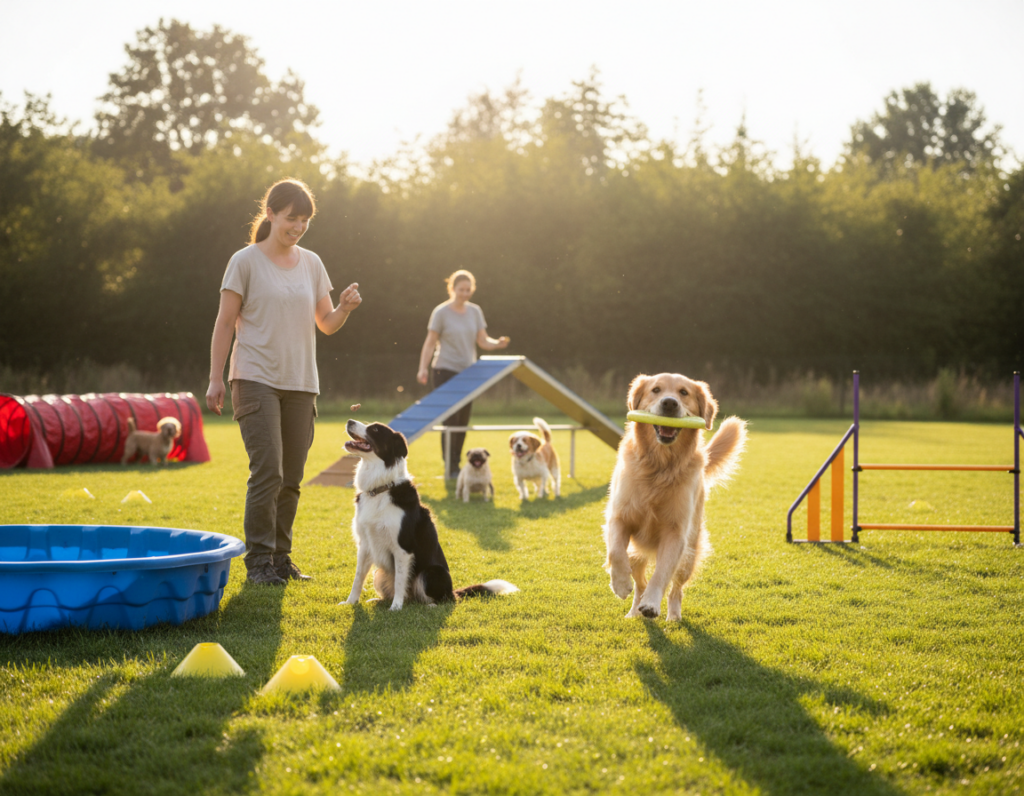
Increase daily exercise and mental stimulation
Set a daily enrichment baseline that mixes physical activity with mental work. Walks, fetch, or a flirt pole burn energy.
Add sniff games, obedience cues, and shaping drills to give the brain tasks. This combo lowers idle time and reduces boredom.
Short backyard training sessions to change yard expectations
Use 5–10 minute micro-sessions of sit, down, recall, and hand targeting around the yard.
Move locations and reward calm stays so the yard becomes an interactive training zone instead of a free-for-all.
Puzzle toys and structured play as alternatives
- Toys: Stuffed Kongs, treat balls, or snuffle mats keep minds busy under supervision.
- Play rules: Start games before restless behavior begins and end on a calm cue to avoid accidental reinforcement.
- Sports: Scent work, agility, or earthdog-style activities channel instincts into safe outlets and improve life quality.
“Consistency wins: daily training and enrichment change how the yard fits into your dog’s routine.”
Redirect the digger: create an approved digging place your dog will choose
A small, well-designed sand zone can become the most rewarding corner of your lawn. Make this place obvious, safe, and more fun than the rest of the yard so the animal chooses it naturally.
How to set up a safe sand zone
Pick a low-traffic spot with light shade. Add a defined border using timbers or a kiddie-pool frame.
Fill the box with clean play sand. Avoid sharp gravel or compacted rocky soil to protect paws and nails.
Teach and reward the new spot
Start short sessions and use a clear cue such as “dig” or “find.” Praise and reward the first seconds of focused activity.
Bury rubber bones, toys, or safe chews shallowly, then vary depth and rotate things so novelty stays high.
Redirect gently and maintain the area
If the pet starts elsewhere, interrupt calmly, lead them to the sand, and reward digging in the approved spot.
Rake and refresh sand regularly. Remove moldy buried items and supervise to prevent ingestion.
“Make the sandbox the most exciting place in the yard, and it becomes the chosen spot.”
| Step | Action | Why it matters |
|---|---|---|
| Location | Low-traffic, shaded corner | Comfort and clear separation from garden beds |
| Border | Timbers or kiddie pool frame | Defines the place and aids discrimination |
| Substrate | Clean play sand | Prevents paw injuries and offers easy digging |
| Training | Cue, reward, rotate toys | Builds value and keeps the activity rewarding |
Stop escape digging and barrier digging safely
A single successful escape can turn into a repeated, dangerous routine. Prioritize immediate containment while you plan lasting fixes. Safety matters more than waiting for training to fully take effect.
Secure the environment with practical upgrades
Repair gaps and reinforce corners at the yard side. Add a buried wire mesh apron, place pavers at the base, or mount a dig-proof barrier along the fence.
Temporary barriers and secure confinement
- Use temporary fencing to block the problem side while you redesign the perimeter.
- Provide a secure run with a covered top or a double-gate entry to reduce accidental escapes.
- Consider an airlock-style entry for high-traffic doors.
Supervision, long-lines, and humane training choices
Accompany your pet during high-risk times and use long-lines so they can explore without rehearsing escape. Avoid shock collars and invisible fences; these can worsen fear, panic, and boundary aggression.
Address drivers such as hormones, loud-noise phobias, or separation anxiety—talk with your vet about spay/neuter and pair management with gradual desensitization.
Match fixes to the breed and the case: independent hunting breeds may need stronger barriers and closer supervision. Do not leave dogs unsupervised for long stretches; one success can reset progress and risk life and liberty.
Conclusion
A clear plan turns instinct into a manageable part of life, not a constant problem.
Excavation often reflects natural instincts with many reasons behind it. Lasting improvement starts with diagnosis: spot patterns, decide if the act is a goal or a habit, then close management gaps.
Next, add exercise and enrichment, create an approved sand zone, and shore up fence lines if escape risk exists. Use humane methods—supervision, rewards, and environment design—to reduce repeats without fear.
Start a 7-day log, add one enrichment upgrade, and install a temporary barrier or sandbox this week. If changes are sudden or severe, consult a vet or qualified trainer and review resources like Why Does My Dog Dig?.
Meet instincts with clear outlets and boundaries, and most households see fewer holes, safer yards, and calmer companions.