Anúncios
Understanding what contentment looks like for a pet means watching patterns, not waiting for one big moment. Dogs show comfort through routine, play, social ease, and a relaxed body. Happiness appears as steady engagement and healthy habits rather than a single tail wag.
This introduction previews the list ahead: we will cover face, body, tail, play, social connection, and daily routines. You will also learn red flags that may seem cute but can signal stress.
Knowing how dogs communicate keeps everyone safer and healthier. They cannot use words, so reading behavior matters for care and quick action.
Context is key. The same action can mean contentment in one moment and discomfort in another. Age, breed, and personality shape each dog’s baseline. The goal is supportive care: use these observations to enrich your pet’s life and comfort at home and in public.
How Dogs Show Happiness Through Body Language and Daily Behavior
Watch clusters of movement and context to understand your companion’s mood. Dogs use their whole body as a primary language, so one action rarely tells the full story.
Anúncios
Consider four quick context checks: where you are, who is present, what happened just before, and whether the setting matches your pet’s preferences.
What relaxed looks like versus tense or fearful
Relaxed hallmarks include loose muscles, soft eyes, and a natural posture. These features tend to appear together and persist across moments.
Tense or fearful cues show as stiffness, shrinking away, avoidance, or frozen stillness. If you see any of these, pause and reassess the surroundings before assuming they’re fine.
Anúncios
Ask the right question
Instead of labeling behavior quickly, ask: what is my dog telling me they’re feeling? Cross-check body language with the scene to avoid mistaking stress for pleasure.
- Read clusters, not single movements.
- Stress can suppress or mimic typical behaviors like panting or tail motion.
- Respect individual needs—some dogs want more social contact with people than others.
Happy Dog Signs in the Face: Soft Eyes, Relaxed Ears, and a “Smiling” Mouth
A dog’s face is a quick window into comfort. Look for gentle, relaxed features rather than one dramatic gesture. These facial cues help you tell calm from stress.
Soft gaze and frequent blinking as signs of comfort and trust
Soft eyes have relaxed lids, a gentle gaze, and regular blinking. This pattern shows trust during quiet bonding moments and while resting near you.
Contrast that with a fixed stare or a hard gaze—those can mean tension or aggression. Wide eyes with visible whites often point to fear, not contentment.
Floppy, natural ear position versus ears pinned back or hyper-alert
Relaxed ears rest naturally and may droop or sit loosely. Breed differences matter, so what looks relaxed for one pet may vary for another.
Ears pricked forward often mean curiosity, while ears pinned back or stiff usually signal worry or discomfort. One cocked ear can still be a sign of interest, not stress.
Open, relaxed mouth and loose lips (and when panting can signal stress or overheating)
A “smiling” mouth includes a soft, open jaw, loose lips, and sometimes a lolling tongue. This is comfort, not aggression.
Bared teeth or lip-curling are escalation cues. Panting after play or in heat is normal, but if panting comes with a tense posture or avoidance, check temperature, hydration, and other body cues.
For a deeper guide to facial and whole-body cues, see 9 clear signs of a happy.
Tail and Body Clues That Your Dog Feels Safe and Content at Home
Watch the whole animal, not just the tail. A loose, wiggly body from shoulders to hips usually shows comfort. When the spine and shoulders move with a relaxed rhythm, the tail often joins in with broad, soft motions.
What “loose and wiggly” looks like
Loose and wiggly means relaxed shoulders, a soft back, and paws that move freely. Whole-body wagging includes the hips and rump; it feels fluid rather than just a tail flick.
Tail position basics you can check at home
Neutral tail position varies by breed, but a slightly raised, relaxed wag usually signals comfort. A very high tail can mean overstimulation or arousal.
Common misconceptions and red flags
A wagging tail alone does not always equal contentment. If the body is stiff or the wag is tight and fast, the pet may be alert or uneasy. Tucked tails, rigid stances, or statue stillness often point to fear or pain.
For more on whole-body cues and how to read them, review this guide to canine body language.
Playful Energy That Signals a Happy Dog
Play is one of the clearest ways a pet shows comfort and trust. A dog that seeks games usually feels secure and confident. Watch for invitations, short bursts of energy, and eager greetings.
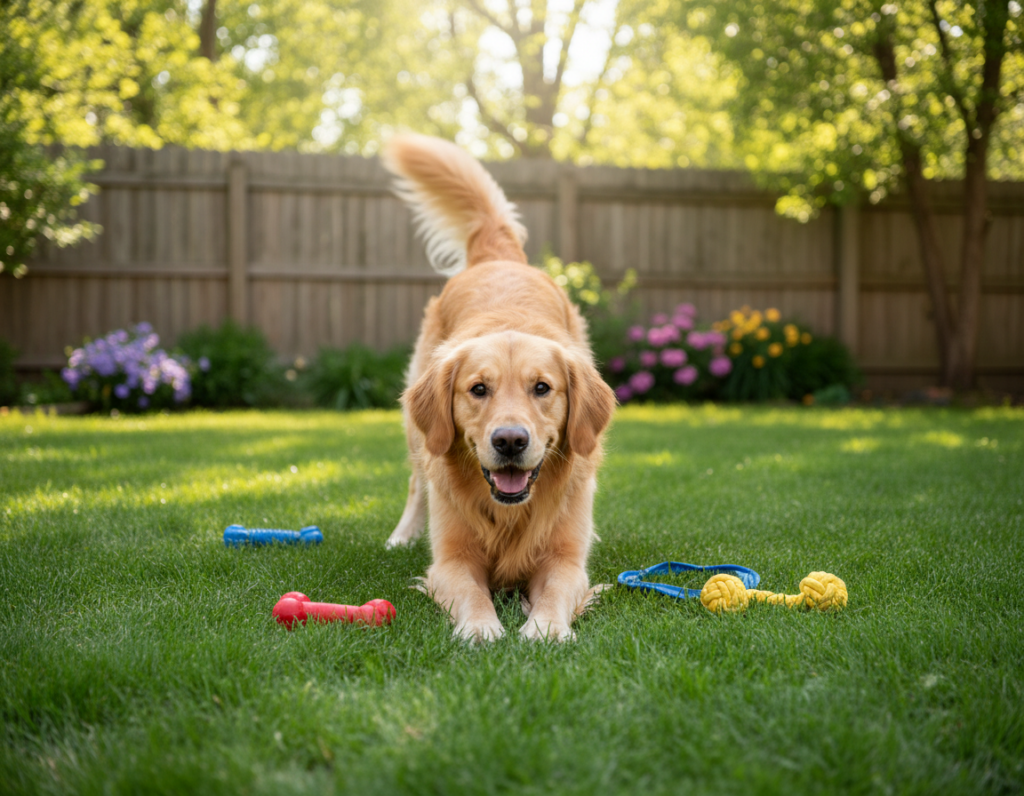
The play bow: bottom up, head and chest low
Play bow looks like the rear lifted while the chest and head drop low. It is a clear, friendly signal that says, “I want to play, not fight.”
“Happy dance” greetings when you come home
Quick hops, side-to-side bounces, and light pawing are common greetings. These movements show excitement to see favorite people or other pets.
Zoomies and bursts of joy during the day
Zoomies are sudden runs and spins after baths, outdoor time, or a good walk. They are normal energy releases. Redirect to a safe area if needed.
Enjoying walks, games, and car rides
Regular interest in walks, fetch, tug, and car trips signals contentment. A sudden, sustained drop in interest can be a sign of pain or illness and deserves attention.
Simple enrichment ideas: rotate toys, use food puzzles, and add short fetch or tug sessions with rules. Match activities to age and energy level to keep play positive for both dogs and owners.
Social and Affectionate Behaviors: How Happy Dogs Connect With People and Other Dogs
Comfort around people and other animals shows through small, steady actions. Social contact is one of the clearest ways to read a pet’s mood. Friendly approaches, gentle nudges, and close but calm proximity usually point to positive engagement.
Friendly, comfortable interactions appear as relaxed approaches, curved body language, and easy disengagement when needed. Dogs that accept new introductions without aggression often show interest without forcing contact.
Enjoying petting and leaning in
Affectionate behaviors include leaning into touch, choosing to sit near people, and soft nudges for more contact. These actions are consent-based: stop if the pet turns away or freezes.
When a pet needs space
Look for clear space-needed cues: a head turn, stepping back, freezing, or avoiding eye contact. Pause interaction rather than insisting—this respects boundaries and builds trust.
| Behavior | What it means | How to respond |
|---|---|---|
| Leaning into touch | Seeks gentle contact | Pet calmly; reward calm checks |
| Curved approach | Non-threatening interest | Allow sniffing at own pace |
| Turning away | Needs space | Stop and give distance |
Build social time with short, positive exposures and rewards for calm check-ins. Consistent friendly contact is a strong indicator of overall wellbeing and long-term happiness for your companion.
Healthy Routines That Often Go Hand-in-Hand With Happiness
A reliable daily pattern gives a pet the structure it needs to relax and thrive.
Good appetite and stable eating habits
Consistent food times help digestion and mood. Most content pets eat well and keep a steady routine.
Sudden drops or spikes in appetite can be an early sign of illness or low mood. If eating changes for more than a day, check health and recent stressors.
Getting lots of sleep as a sign of a healthy, satisfied adult dog
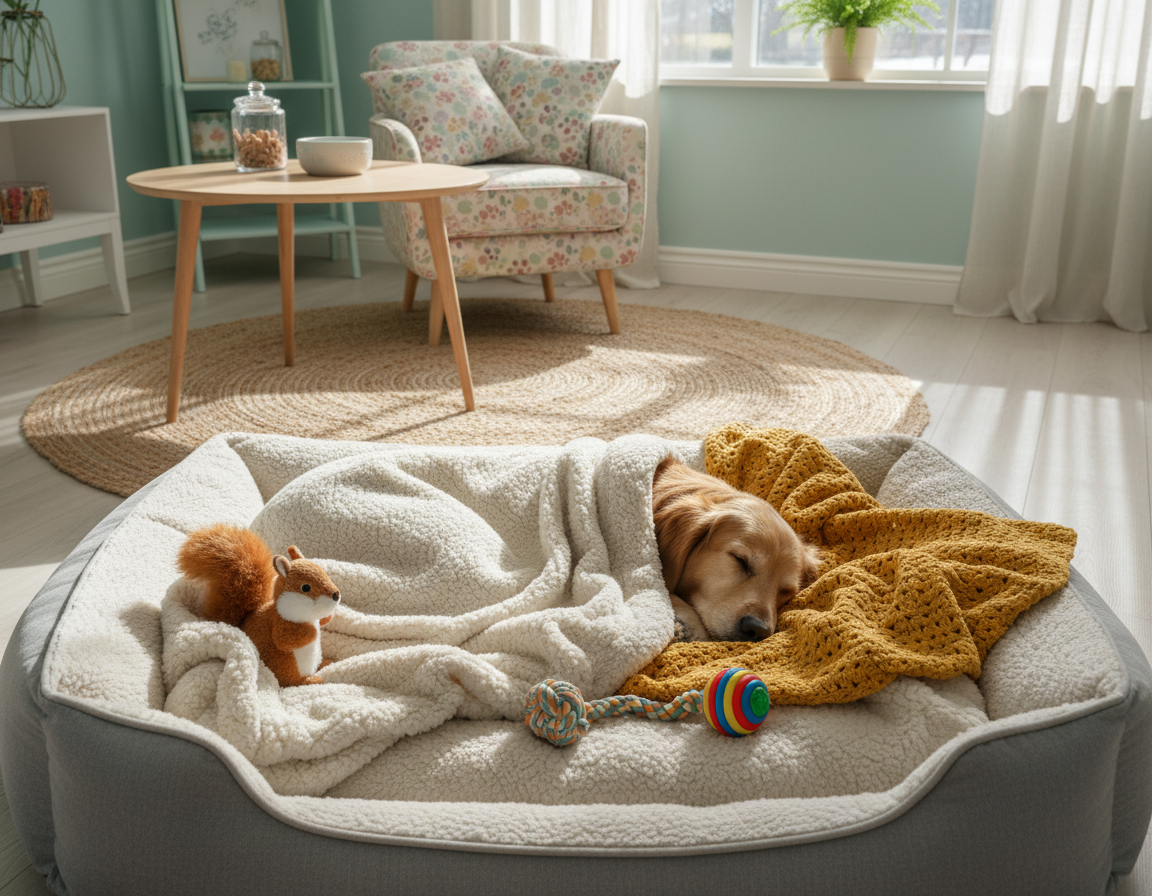
Adult animals often sleep many hours—up to about 16 a day. Restful sleep usually follows adequate exercise and mental stimulation.
If your companion is restless or sleeps far more than usual, consult your vet to rule out medical causes.
Calm, “good behavior” at home and on walks
Settling calmly and responding when called often reflects solid training and emotional balance. Short daily training sessions build clear communication.
Use praise, consistent rules, and gentle correction to reinforce reliable behavior on walks and at home.
When destructive chewing points to boredom, stress, or separation anxiety
Destructive chewing in adult pets can mean a need for more exercise, mental stimulation, or help for separation anxiety. This is common and treatable.
Combine management (safe chews, crate or confinement), enrichment (puzzle feeders, scent games), and training to reduce problematic behaviors.
| Routine element | What to watch | Quick fixes |
|---|---|---|
| Meal schedule | Stable appetite; no sudden loss | Keep set times; consult vet if appetite drops |
| Sleep & rest | Restful naps; alert when awake | Ensure exercise before downtime; quiet sleeping area |
| Exercise & play | Regular interest in walks and games | Daily walks, short training, puzzle toys |
| Chewing & boredom | Destructive chewing after alone time | Rotate toys, use chews, increase mental tasks |
Bottom line: predictable meals, sleep, exercise, and enrichment support long-term health and stable behavior. Small, steady changes often yield big improvements in a pet’s wellbeing.
When “Happy-Looking” Signals Aren’t Happiness: Stress, Fear, and Aggression Red Flags
Some gestures people find charming can actually signal fear or discomfort. Learn to read the full body and context so you can respond safely and prevent escalation.
Core fear and stress indicators
Low or tucked tail, a stiff body, and a lowered head often mean the animal feels unsafe. Avoiding eye contact and shrinking away are other common cues.
Appeasement behaviors
Lip-licking, yawning, turning away, or a stiff rollover are attempts to calm a tense moment. These are not play; they are communication asking the scene to stop.
Shake-offs and escalation
Shake-offs can follow water or act as a quick decompress after a stressful event. They help lower heart rate but should be read with context.
Escalation signs include a fixed stare, baring teeth, and growling. If you see these, stop interaction, create distance, and remove triggers. Never punish—this raises risk.
When to seek professional help
If stress or aggression happens often, consult a vet to rule out pain. Then get help from an accredited trainer or behaviorist for a safe plan.
| Cue | What it may mean | Quick action |
|---|---|---|
| Low/tucked tail | Fear or submission | Give space; reduce stimulation |
| Lip-licking / yawning | Appeasement / discomfort | Stop approach; allow retreat |
| Shake-off | Post-stress reset or bath | Watch context; pause interaction |
| Fixed stare or growl | Escalation risk | Back away slowly; seek professional help |
Conclusion
strong, Track clusters over time to read mood accurately. Look for soft eyes, relaxed ears and mouth, a loose, wiggly body, playful invites, steady appetite, and regular sleep. These repeated cues show overall wellbeing in a pet’s life.
Use the context + clusters way when you are unsure. Compare behavior across walks, visits, and routines rather than judging a single moment. Noticing changes early gives you a real advantage.
If activity, interest, or posture shifts, act promptly. Meet daily needs: exercise, enrichment, rest, and brief training. Create a calm home and get veterinary or behavior help if red flags persist.