Anúncios
Bringing a new furry friend into your life is a big moment. Early days shape trust, and watching the small cues in their behavior helps you know if they are settling into their new space.
Understanding the language of your pet is the first step toward a lasting bond. Experts point to ten clear indicators that show a successful transition into a calm living environment.
This introduction outlines why those markers matter. You will learn how to read posture, movement, and routines that signal ease. The goal is to make your place a safe sanctuary where your companion can relax without worry.
Monitor the environment and give gentle support when needed. Every animal is unique, so attention and patience help you respond in ways that build confidence and trust over time.
Understanding the Adjustment Period
The opening week is often the most sensitive time when a new companion maps the layout and learns who does what in the household.
Anúncios
Timeline of Adaptation
The first 3–7 days are critical. During this period a dog will explore cautiously and process many new smells, sounds, and sights.
Expect noticeable behavior changes as they move from one routine to another. Some dogs may take several weeks to settle fully.
Creating a Predictable Schedule
Consistent routines reduce anxiety and speed adaptation. Set regular times for feeding, walks, and quiet rest.
Anúncios
- Keep feeding and walking on a steady schedule.
- Limit sudden changes to sleeping areas or access to rooms.
- Offer short, calm interactions to build trust over time.
Predictability helps your pet understand expectations and supports long-term emotional stability.
Recognizing Signs Dog Feels Comfortable at Home
Small, steady habits often reveal when an animal trusts the people and space around it.
Relaxed posture and calm movement are prime indicators of comfort. A pet that lounges in common areas or curls up near family members shows growing confidence in the environment.
Curious interaction with toys, furniture, and people signals exploration rather than fear. These behaviors act as a clear sign that the animal is assessing routines and feels secure enough to join daily life.
Provide a dedicated retreat, such as a bed or crate, so your companion can rest when needed. Having a defined space reduces stress and reinforces positive habits.
Watch how your companion approaches people and rooms. If it seeks proximity and returns to shared areas often, that pattern shows contentment and growing attachment.
- Relaxed presence in communal spaces
- Playful or calm interaction with family
- Use of a personal retreat for downtime
Recognizing these early cues lets you reinforce good behavior and strengthen the bond you share. Consistent encouragement and routine help the adjustment continue in a positive way.
Interpreting Positive Body Language Signals
Subtle shifts in stance and facial expression reveal when your friend is relaxed and engaged. Watch the whole body, not just one part, to understand mood and trust in the environment.
Relaxed Posture and Tail Position
Loose muscles and a soft, wagging tail held in a natural position show ease. A relaxed dog will sit or lie with smooth breathing and no stiffness.
Facial Expressions
Eyes that are soft and a slightly open mouth often mean your pet is content. Look for a calm face, relaxed lips, and a head held without tension.
Pay attention to the ears and the set of the head. These small cues help you read overall body language.
The Meaning of Play
Play is a clear signal of security. When dogs choose toys or invitation gestures, they reveal trust. Roughhousing, bowing, and relaxed chasing are positive signals.
Remember: a wagging tail is a good indication, but interpret it alongside posture, eyes, and mouth to confirm a happy dog.
- Loose muscles and natural tail position
- Soft eyes, open mouth, relaxed face
- Playful behavior as a sign of trust
Identifying Stress and Anxiety Indicators
Stress often appears in a pet’s body language. Watch for stiff muscles, a tucked tail, or a rigid posture. These are clear signals that something is wrong.
Other common cues include avoiding eye contact, repeated lip licking, or holding the head low. You might also see the ears pinned back to make the animal look smaller.
Excessive panting or trouble drinking water calmly can point to rising distress. A companion that goes statue-still is often overwhelmed and needs space to recover.
- Stiff muscles and tucked tail indicate high stress.
- Avoiding eyes, licking mouth, and pinned ears show anxiety.
- Heavy panting or refusal to drink water suggests escalating worry.
- Freezing in place is a sign they need distance and calm.
Act early when you notice these changes. Reduce stimuli, offer quiet space, and seek guidance if signals persist or worsen.
Monitoring Eating and Sleeping Patterns
Monitoring mealtime and nap habits gives clear clues about overall well-being. Keep an eye on appetite and sleep to assess how a companion adapts to daily life.
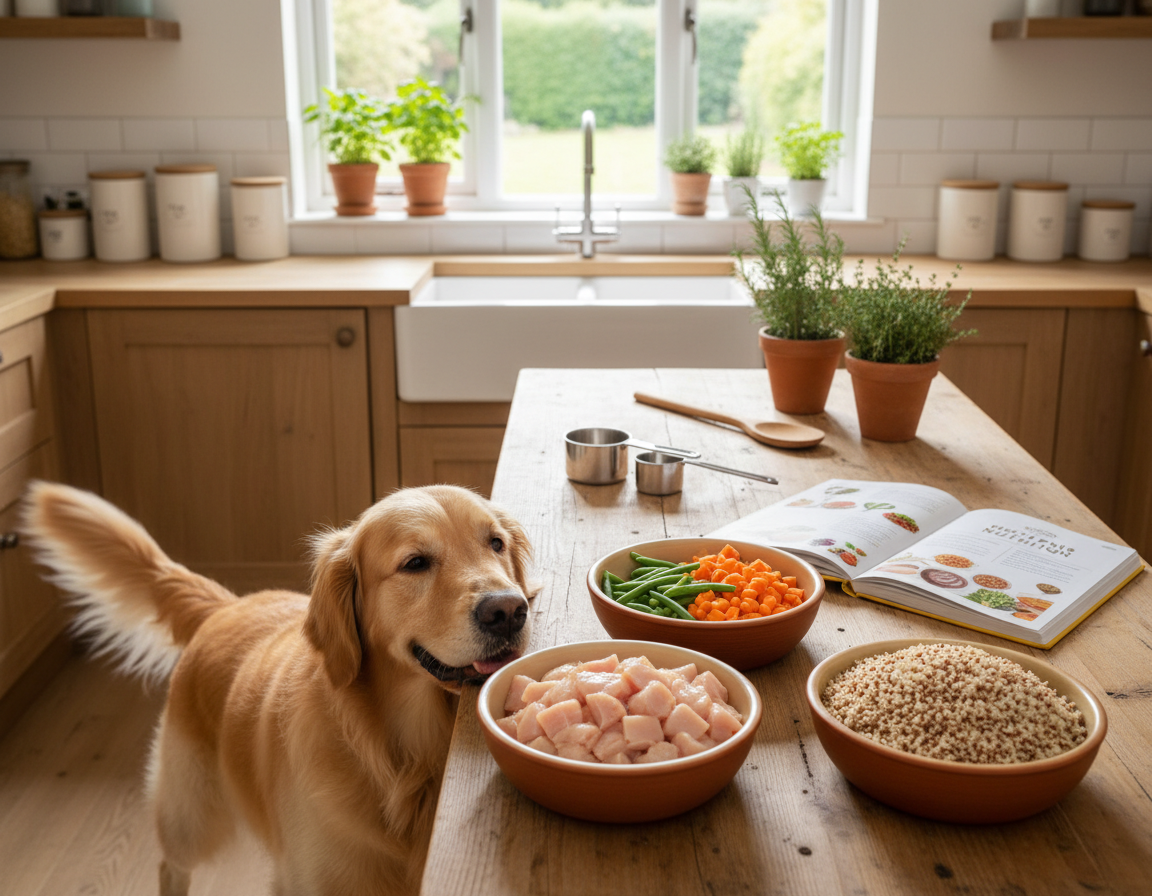
Healthy Appetite Indicators
Meal Routine and Eating Behavior
A stable appetite is a strong cue. A relaxed dog will eat at regular times and finish meals without hesitation.
Watch pace and posture during feeding. Calm, steady eating hints at low stress and balanced body language.
Sleep Position and Daytime Rest
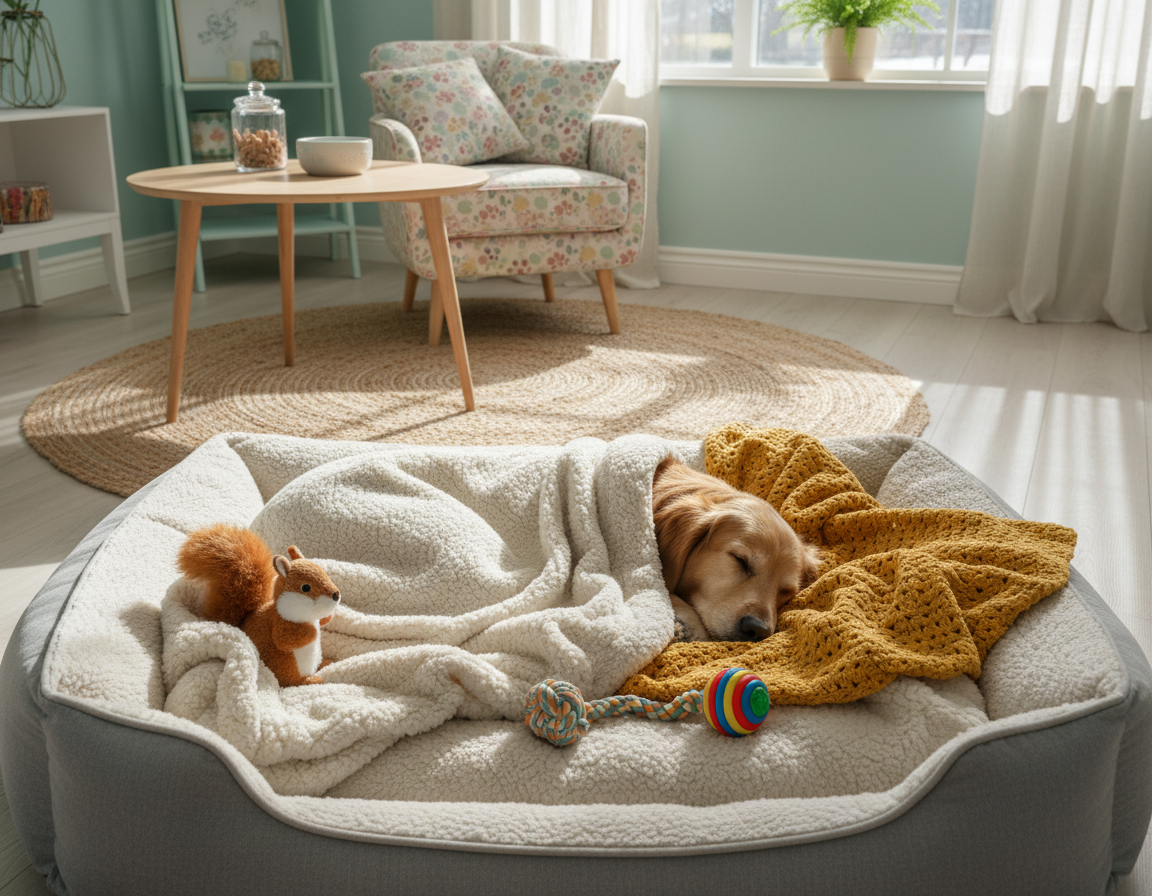
Rest patterns matter. Dogs that nap in open spaces or stretch out show relaxed muscles and trust in their routine.
If a pet hides or avoids resting, it might also signal worry. Ensure fresh water and a quiet spot to encourage steady rest.
- A consistent appetite supports energy and play.
- Stretching while sleeping shows loose posture and ease.
- Alternating activity and rest is normal across the day.
Observing Natural Environmental Exploration
Letting your companion explore freely reveals how safe the surroundings feel to them. Watch how they sniff corners and inspect new objects with a relaxed, wagging tail.
Pay attention to body language. Notice how the ears and body move as your pet moves through each room. These cues show how the environment is being processed.
When a dog enters new rooms with steady steps, they often claim the space and show they feel secure. Give gentle encouragement and let curiosity guide them.
Encourage slow, positive exposure. If a companion hesitates, allow time and avoid rushing introductions to new areas. Patience builds confidence.
- Curious sniffing and relaxed tail movement.
- Confident entry into rooms signals content adjustment.
- Watching exploration helps you learn their personality.
For more tips on recognizing a happy companion, see this happy life indicators.
Evaluating Social Bonding and Attachment
Close, quiet contact often reveals the depth of a pet’s trust in their people. Social bonding shows up in small, repeat behaviors. Observing these cues helps you measure the relationship you are building.
The Importance of Physical Proximity
“Animals will not rest next to beings they do not trust.”
A companion that leans on you or sleeps near your feet often seeks comfort and closeness. When this happens, offer calm praise and gentle attention to reinforce the bond.
Following you from room to room is another common behavior. This trailing shows interest and attachment more than mere curiosity.
- A pet that rests beside you is likely showing trust.
- Resting near an owner is a powerful sign of trust, as Krissy Spero notes.
- Respect boundaries; some individuals prefer quieter ways to display attachment.
- Providing positive attention when chosen builds stronger connection.
Evaluating these social cues gives a clear view of how secure your friend is and guides the next ways you can nurture that relationship.
The Role of Consistent Daily Routines
A reliable schedule helps reduce worry and builds clear expectations for living together.
Predictability matters. Set fixed times for meals, walks, and play so your pet knows the rhythm of each day.
When humans keep steady routines, dogs learn what to expect. This lowers stress and lets them relax in the household environment.
- Set regular meal and water times to support appetite and health.
- Schedule short play sessions and daily walks to meet energy needs.
- Provide a quiet space for naps so your companion can recharge.
- Keep interactions calm and predictable to teach house rules.
Meeting physical and mental needs with a consistent routine builds trust. A content pet that knows the flow of the day will show more calm behavior and more playful moments.
Building Trust Through Shared Experiences
Simple shared experiences—like training or resting together—turn strangers into partners. Trust grows slowly. Small, steady routines create safety and predictability.
Use consistent cues and calm language during interactions. Trainer Krissy Spero of The Dog Wizard highlights eight words that can make a dog happy. Repeat those positive prompts to reinforce good behavior.
Shared play and short training sessions are powerful. When you play in a fair, gentle way, your pet drops guard and learns to rely on you.
Provide steady structure so dogs know what to expect. Regular mealtimes, clear rules, and calm responses help them feel secure. Every positive moment deepens trust.
- Start with short training or rest periods together.
- Use consistent language to reward calm choices.
- Let play and predictable routines reinforce your bond.
“There are eight words that can make your dog feel happy.”
Professional Guidance for Behavioral Concerns
Persistent behavior changes deserve prompt attention. If you notice ongoing stress or worrying actions, reach out to a qualified trainer or behaviorist. Early assessment saves time and prevents escalation.
A certified professional can read body language clearly. They will explain how tail position, ear movement, mouth shape, and head posture form a complete expression.
When dogs communicate through aggression or deep fear, specialists create safe plans. These plans protect your family and help the pet regain trust.
- Seek a vet if behavior changes might stem from medical needs.
- Use a trainer to learn how ears and tail show mood and intent.
- Ask a specialist for behavior modification when fear or aggression appears.
“Professional guidance gives practical tools to reduce stress and teach clear cues.”
With expert help, you learn to read facial expression and posture. Over time, this knowledge helps prevent future anxiety and keeps others safe.
Conclusion
strong, look for repeating actions. Look for repeating actions; they tell a fuller story than a single moment. Patterns in posture, appetite, and rest reveal real progress.
Recognizing the signs that your happy dog is settling builds trust and strengthens your bond. Watch routines and gentle check-ins to track changes over time.
Your pet will adjust at its own pace. Use consistent schedules, calm handling, and clear cues. If concerns persist, contact a trainer or veterinarian.
For more on how animals show trust, see this guide on how dogs express trust. With patience and attention, you will create a safe place where your pet thrives.