Anúncios
Key Takeaways:
- Water is essential for every cell and supports organ function and wellness.
- Monitoring subtle shifts in drinking behavior allows owners to catch potential issues early.
Maintaining proper fluid balance is the most critical aspect of canine wellness, even more than food for survival. It is the main part of every living cell in a dog body. Without enough water, your furry friend can quickly face organ damage or other life-threatening conditions.
Most owners focus heavily on high-quality nutrition and daily exercise routines. However, they often ignore the drinking habits of their companions until a crisis occurs. Consistent water intake supports temperature regulation and protects joint health over time.
This educational guide helps you recognize normal patterns for dogs in any home environment. You will gain tools to spot small changes before they become significant medical issues. Tiny shifts in behavior often signal deep shifts in physical well-being.
Keeping your furry friend well-hydrated ensures their kidneys and digestion work perfectly every single day. By tracking these patterns, you build a foundation for a longer, happier life. This knowledge helps every dog owner act with confidence and provide the best care for their pet.
Anúncios
Why Water Is Your Dog’s Most Essential Nutrient
While many owners focus on high-quality kibble, hydration remains the single most critical factor for a dog‘s survival. Water serves as the primary component of every living cell in the body, enabling the metabolic processes that sustain life.
A dog regulates its internal temperature much differently than a human does. They only sweat minimally through their nose and paw pads, relying primarily on panting to release excess heat.
This cooling method causes significant moisture loss through evaporation from the respiratory tract. Maintaining peak health requires replacing this lost fluid constantly so dogs can stay cool and hydrated during activity.
Anúncios
Adequate hydration also facilitates nutrient absorption and transports vitamins through the bloodstream. It keeps joints lubricated and helps the kidneys efficiently filter waste products from the body to prevent toxin buildup.
Moisture aids digestion by breaking down food and preventing constipation. While a pet can survive for days without food, water deprivation leads to organ failure and death much faster, making it their most vital daily need.
Calculating Dog Hydration Needs Per Day: The Essential Formula
Determining how much your furry friend should drink doesn’t have to be a guessing game. By using a standard formula, you can pinpoint the dog hydration needs per day with relative ease. This simple measurement helps you provide enough fresh water to keep your pet healthy.
The Standard One-Ounce-Per-Pound Guideline
Veterinary experts generally agree that a dog should consume approximately one ounce of water per pound of body weight. This 1:1 ratio of fluid to per pound body mass offers a clear starting point for any owner. For example, a small 10-pound pet needs 10 ounces of fluid daily, which is about 1.25 cups.
If you prefer the metric system, you can use a range of 40-60ml for every kilogram your dog weighs. This calculation for a healthy dog drink habit works well for puppies and seniors alike. It ensures that the pound body weight measurement stays accurate regardless of the unit you use per day.
Quick Reference: Water Requirements by Dog Weight
Use the following table as a fast way to check your pet’s needs based on their current weight. These figures represent the baseline for how much water dog owners should expect their pets to consume.
| Weight Range (lbs) | Ounces Required | Cups Required (approx) |
|---|---|---|
| 5 – 15 lbs | 5 – 15 oz | 0.6 – 1.8 cups |
| 16 – 30 lbs | 16 – 30 oz | 2.0 – 3.75 cups |
| 31 – 50 lbs | 31 – 50 oz | 3.8 – 6.25 cups |
| 51 – 75 lbs | 51 – 75 oz | 6.3 – 9.3 cups |
| 76 – 100+ lbs | 76 – 100+ oz | 9.5+ cups |
When This Formula Needs Adjustment
While the one-ounce rule is a great baseline, you must remember it is not a strict limit. Factors like high activity or hot weather will change how much water dog companions require per day. You should always use this pound body weight formula as a monitoring tool rather than a restrictive cap.
Never restrict access to the water bowl based purely on these numbers. If your pound body calculation seems low compared to their actual thirst, let them drink. Healthy dogs are usually good at self-regulating, but sudden deviations from this norm may require a vet visit.
Variables That Change Your Dog’s Daily Water Requirements
Not every canine follows the same hydration rules, as various external and internal factors shift their daily requirements. Every dog is unique, and their daily fluid intake often shifts based on several lifestyle factors. While general guidelines offer a starting point, your pet may need more or less depending on their specific food and environment.
Diet Composition: How Wet and Dry Food Affect Thirst
The type of food your pet eats plays a massive role in their hydration. Wet food usually contains 65-80% moisture, meaning dogs eating canned meals get much of their water from their bowl during mealtime. This often leads to fewer trips to the water dish throughout the day.
In contrast, dry kibble only has about 20% moisture. This means a dog on a dry diet must drink significantly more to stay hydrated. If you switch from dry to wet food, do not be surprised if your pet drinks less, as their diet is now providing more hydration naturally.
Activity Level and Exercise Duration
Your pet’s activity level directly impacts how much they drink. High activity leads to increased panting and salivation, which are the primary ways they lose fluids. If your pup spends the afternoon running at the park, their hydration level needs to rise to compensate for that physical exertion.
Temperature, Humidity, and Seasonal Changes
Environmental temperature and humidity are major factors. In the summer, heat and direct sun can double or triple the base needs of most dogs. They work extra hard to maintain a safe body temperature through respiration.
Winter brings its own risks that many owners overlook. Indoor heating systems create very dry air, which increases respiratory water loss. Even if it isn’t hot outside, the dry air inside your home can still lead to mild dehydration.
Life Stage Considerations: Puppies, Adults, and Seniors
Puppies have faster metabolisms and smaller reserves, making them more prone to dehydration. Senior pets might have a lower thirst drive, even if their bodies require more support. Additionally, pregnant or nursing females require extra water to support milk production for their litter.
It is important to remember that physical health also dictates thirst. Certain conditions can change how a dog processes fluids:
- Kidney Disease: Often results in excessive drinking to flush toxins.
- Diabetes: Causes the body to use more fluids to process sugars.
- Metabolic Disorders: Can disrupt the natural thirst signaling in the brain.
How to Measure and Track Your Dog’s Water Intake
Measuring the exact volume of liquid your canine consumes provides essential data for your veterinarian. This habit helps you spot potential issues before they become serious emergencies. Accurate tracking gives you peace of mind about your animal’s internal health and daily comfort.
The Daily Measurement Method
To start, fill a measuring cup with a specific amount water each morning. Pour it into a clean bowl and note the starting volume in ounces or milliliters. This simple baseline ensures you know exactly how much is available to your animal.
At the end of the day, pour the remaining liquid back into the cup to see what is left. If you refill the bowl mid-day, make sure to add that volume to your daily total for accuracy. Consistent measuring is the only way to get a true reading.
Recording Patterns Over Time
Log this water intake in a smartphone app or a notebook for at least one week. This helps you learn your dog‘s normal baseline and identifies how weather or exercise affects thirst. Significant changes in water consumption often signal underlying health issues like diabetes or kidney trouble.
Understanding hydration and why it matters for allows you to act quickly if patterns shift. A documented baseline becomes invaluable for recognizing emerging medical problems. Many owners find that a simple digital log is the easiest way to stay organized.
Managing Multiple Pets in One Household
Tracking a single pet is easy, but multiple animals require more strategy. You might use visually distinct containers or separate your animals during specific measurement periods to get accurate data. Keeping accurate records of dog hydration ensures every drinking water intake level remains safe for each animal.
| Tracking Method | Tool Needed | Primary Benefit |
|---|---|---|
| Morning Fill | Measuring Cup | Sets an accurate starting point |
| Refill Log | Smartphone Note | Tracks extra additions accurately |
| Evening Check | Measuring Cup | Calculates total daily consumption |
“Consistent monitoring is the first line of defense against canine dehydration and metabolic diseases.”
Critical Dehydration Warning Signs Owners Frequently Miss
Beyond simple thirst, true physiological depletion presents physical markers that every owner must learn to identify. Recognizing these signals in your pet requires looking deep into their physical appearance and behavior. Clinical dehydration represents a serious loss of vital fluids and electrolytes that can quickly escalate.
Identifying these issues early allows you to act before the situation becomes a medical emergency. You should perform regular checks, especially during hot weather or after intense exercise. Consistent monitoring ensures your pet remains healthy and energetic throughout the day.
Performing the Skin Turgor Test at Home
The skin turgor test is a simple way to check your dog for dangerous fluid loss. Gently grasp the skin between the shoulder blades and lift it upward to form a “tent” shape. Release the fold and watch how quickly it snaps back to the body.
Properly hydrated skin returns to its normal position immediately and smoothly. If your dogs are suffering from fluid loss, the tissue may return slowly or remain elevated for several seconds. This loss of elasticity is one of the most reliable signs of an underlying problem.
Examining Gums, Eyes, and Mucous Membranes
Lift your pet’s upper lip to inspect the gum tissue for moisture levels. Healthy gums should be pink, slippery, and moist to the touch. Dehydrated dogs show gums that feel dry, sticky, or tacky rather than slippery. This type of dehydration often makes the tissue appear pale or darker than normal.
You can also check the capillary refill time by pressing your finger against the gum. Healthy tissue turns white briefly and then flashes back to pink in under two seconds. If the color return is delayed, your dog likely needs immediate intervention.
Furthermore, observe the eyes for a sunken or dull appearance. Dry, recessed eyes often indicate a significant deficit that affects the entire ocular system. Sunken eyes are usually a sign that the body is severely depleted of necessary moisture.
Subtle Behavioral Changes That Indicate Trouble
A fluid crisis often manifests as a lack of energy before physical markers appear. You might notice a sudden reluctance to play or a general sense of lethargy. Pets may also show reduced responsiveness to their favorite stimuli, like treats or toys.
In many cases, a sick animal might lack the energy or awareness to drink, even with fresh water nearby. They may spend extended periods resting or appearing generally disconnected from their surroundings. If your pet appears unusually tired and refuses to touch their water, it is time to consult a vet.
Medical Conditions That Increase Dehydration Risk
Several chronic issues can make it difficult for an animal to maintain its fluid balance. Kidney disease often prevents the body from concentrating urine, which leads to rapid moisture loss. Metabolic disorders like diabetes also cause excessive urination and increased thirst levels.
- Diabetes mellitus: Causes high glucose levels that pull fluids from the body.
- Kidney failure: Reduces the ability to recycle and conserve fluids effectively.
- Digestive distress: Severe vomiting or diarrhea directly removes critical moisture.
- High fever: Increases the metabolic demand for cooling fluids.
Identifying the difference between simple thirst and true medical depletion is crucial for every owner. While thirst is resolved by a drink, clinical cases often require professional medical support. Always prioritize a veterinary exam if physical symptoms persist despite your efforts.
When Excessive Water Drinking Signals a Health Problem
Excessive thirst, known medically as polydipsia, often serves as a primary red flag for various internal issues. While a thirsty pet is usually normal after exercise, a significant increase in the amount of drinking water consumed can be a major warning sign. Owners should pay close attention if the water bowl needs refilling more often than usual.
Identifying Polydipsia: More Than Just Thirst
Polydipsia occurs when a dog consumes significantly more liquid than expected based on its size, diet, and activity level. Temporary spikes due to hot weather or salty treats are common and usually harmless. However, persistent drinking that lasts for several days warrants a professional evaluation from a vet.
You can identify this condition by watching for excessive urination alongside the frequent trips to the bowl. If your pet seems obsessed with water, they may be trying to compensate for a physiological imbalance. Identifying this behavior early can lead to a faster diagnosis and better health outcomes.
Underlying Diseases That Cause Increased Water Consumption
Several medical conditions can make a dog drink more than usual. These range from common infections to chronic internal failures that require long-term management. Understanding these triggers helps owners stay vigilant about their pet’s health.
- Kidney Disease: Damaged kidneys cannot concentrate urine effectively. This forces the dog to drink more to flush waste products from their system.
- Diabetes Mellitus: High blood sugar spills into the urine and pulls fluid out of the body. This creates a cycle where the pet drinks much water to replace lost fluids.
- Cushing’s Disease: This condition involves excess cortisol production. It often causes a pot-bellied appearance and a dramatic increase in thirst.
- Other Conditions: Liver disease, uterine infections (pyometra), and high calcium levels can all trigger polydipsia.
Sometimes, the issue is behavioral rather than medical. Psychogenic polydipsia is a rare condition where bored or stressed pets drink too much water out of habit. A vet will usually rule out all physical illnesses before diagnosing this behavioral quirk.
Documenting Symptoms for Your Veterinarian
Before your appointment, track how much water your pet consumes for three to five days. Note the frequency of urination and any changes in appetite or energy levels. This detailed log helps the doctor identify the specific disease affecting your companion.
Providing accurate data ensures diagnostic efficiency and helps the vet choose the right tests. If you see your dog drinking excessively, acting quickly is the best way to ensure their safety. Detailed records can literally save your pet’s life during a medical crisis.
Proven Strategies to Encourage Proper Hydration
Transforming your pet’s hydration habits requires a mix of fresh supplies and a bit of creative thinking. Small changes in your routine can make a massive difference in how often your pet visits their dish.
Maintaining Water Freshness and Appeal
Dogs have a sharp sense of smell and can detect stale drinking water easily. Bacteria or slime often grows in a water bowl that owners do not scrub daily.
Switch to stainless steel options because they are easier to sanitize in the dishwasher. You should make sure to provide a fresh water bowl twice a day to keep it appealing.
Experiment with different temperatures to see if your pet prefers chilled or room-temperature options. Most pets enjoy a cool sip when the weather gets warm.
Optimizing Bowl Location and Accessibility
Place a bowl in a quiet area where your pet feels safe. Loud noises or busy doorways might scare a water dog away from their station.
Use multiple bowls in various rooms and keep these bowls clean. This helps a senior dog reach a bowl without needing to climb stairs or traverse long hallways.
Water Fountains as Hydration Motivators
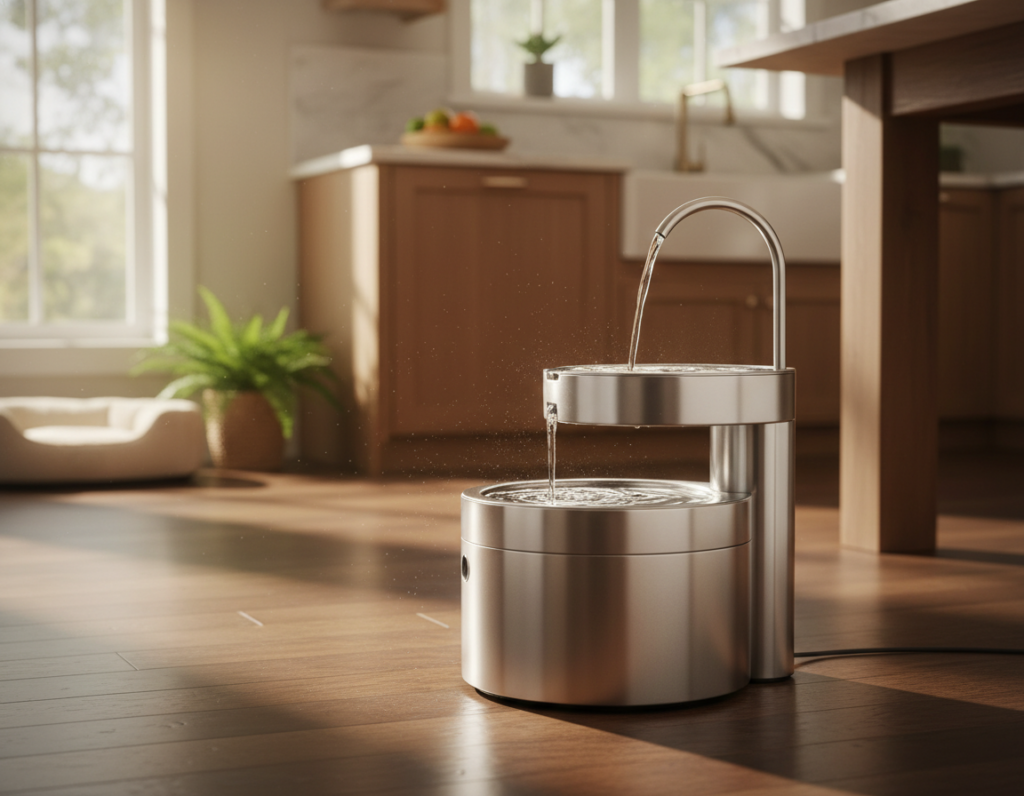
A dog water fountain uses flowing water to mimic natural streams. The sound of moving water attracts pets and encourages them to take frequent sips of drinking water.
Incorporating Wet Food and Bone Broth
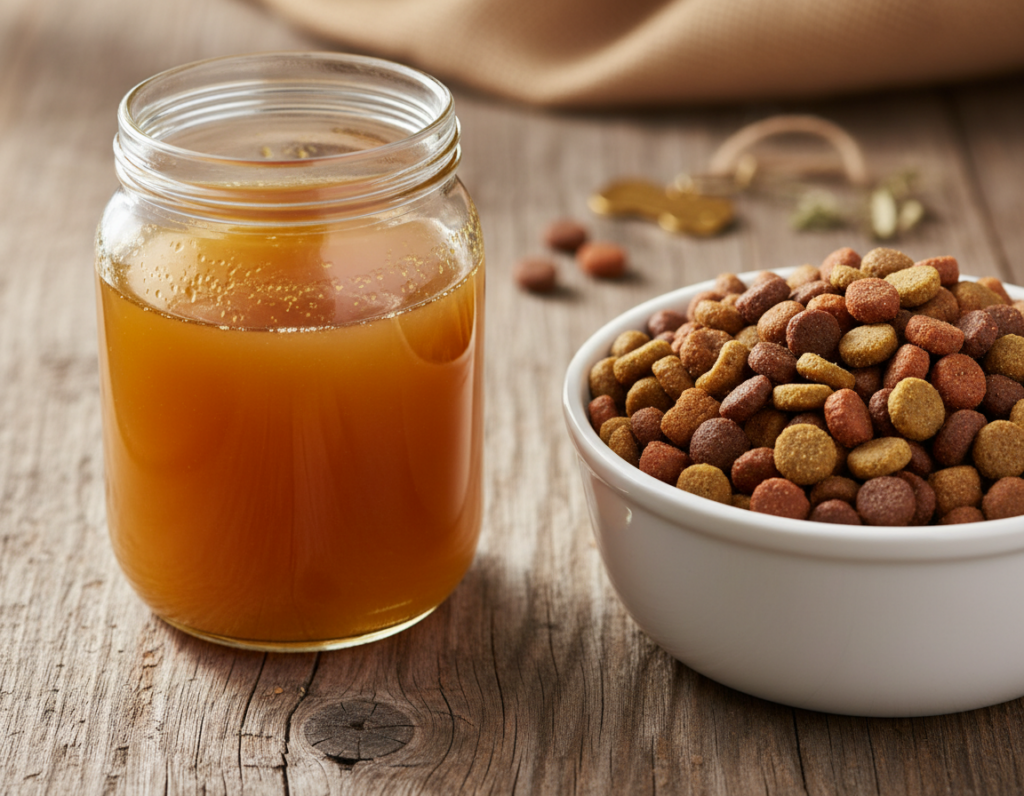
Adding wet food to their diet naturally increases their moisture intake. You can also drizzle low-sodium broth over dry food to enhance the taste of the dog water.
Making Hydration Fun with Ice and Water Play
Offering ice cubes is a great way to help a dog drink much more during summer. You can also use sprinklers or wading pools to encourage active drinking through play.
Always supervise your pet with ice to prevent tooth damage or choking hazards. These creative games turn water into a fun daily event.
Essential Water Bowl Maintenance and Safety Guidelines
Most owners do not realize that a dirty water bowl can become a breeding ground for dangerous bacteria in just twenty-four hours. Keeping your dog healthy involves more than just filling their dish. A dirty station can harbor harmful bacteria like Salmonella or Leptospira if you ignore hygiene.
Daily Cleaning Routine to Prevent Bacterial Growth
Establish a routine where you scrub the bowl with hot, soapy water every single day. A slimy residue called biofilm often forms on the surface within 24 hours. Use a dedicated brush to make sure all slime and debris are gone.
Rinse the surface thoroughly to remove any soap residue. Air drying or towel drying the bowls before refilling helps eliminate the moisture that bacteria love to inhabit. High-temperature dishwasher cycles provide the best sanitizing for compatible materials.
Selecting Safe, Easy-to-Clean Bowl Materials
Stainless steel is the gold standard for any pet because it is durable and resists deep scratches. Ceramic options look great but require a lead-free glaze to be safe for dogs.
| Material Type | Durability | Hygiene Level | Best For |
|---|---|---|---|
| Stainless Steel | High | Excellent | All Environments |
| Ceramic | Medium | Good | Indoor Use |
| Plastic | Low | Poor | Travel Only |
Avoid plastic containers since they scratch easily and trap germs. Replace any bowl that shows cracks or deep scratches immediately. These small gaps act as hiding spots for microorganisms that resist regular cleaning.
Water Quality: Tap, Filtered, or Bottled Options
Generally, if the tap water is safe for you, it is safe for your dog. Some animals might dislike the taste of chlorine or high mineral levels in local supplies.
Use filtered or bottled water if your local quality is poor or during travel to encourage drinking. Always consult your veterinarian if you have specific concerns about your local supply.
Conclusion
Managing the amount water a dog drinks every day is a simple yet powerful way to protect their well-being. Water is the most critical nutrient for dogs, supporting everything from digestion to temperature control. While a standard amount is one ounce of water per pound per day, individual needs may need adjusting based on activity.
Vigilant owners should watch for signs of dehydration or excessive drinking water. If your pet isn’t drinking enough or starts to drink much more than usual, it could signal an underlying issue. Tracking water intake provides vital data for your vet to analyze during a clinical examination.
Encouraging healthy habits through fresh sources or fountains improves long-term health. Always consult a professional about how much water is normal or why water dog drink patterns change suddenly. Your attentive care ensures your companion remains drinking enough to thrive throughout their entire life.