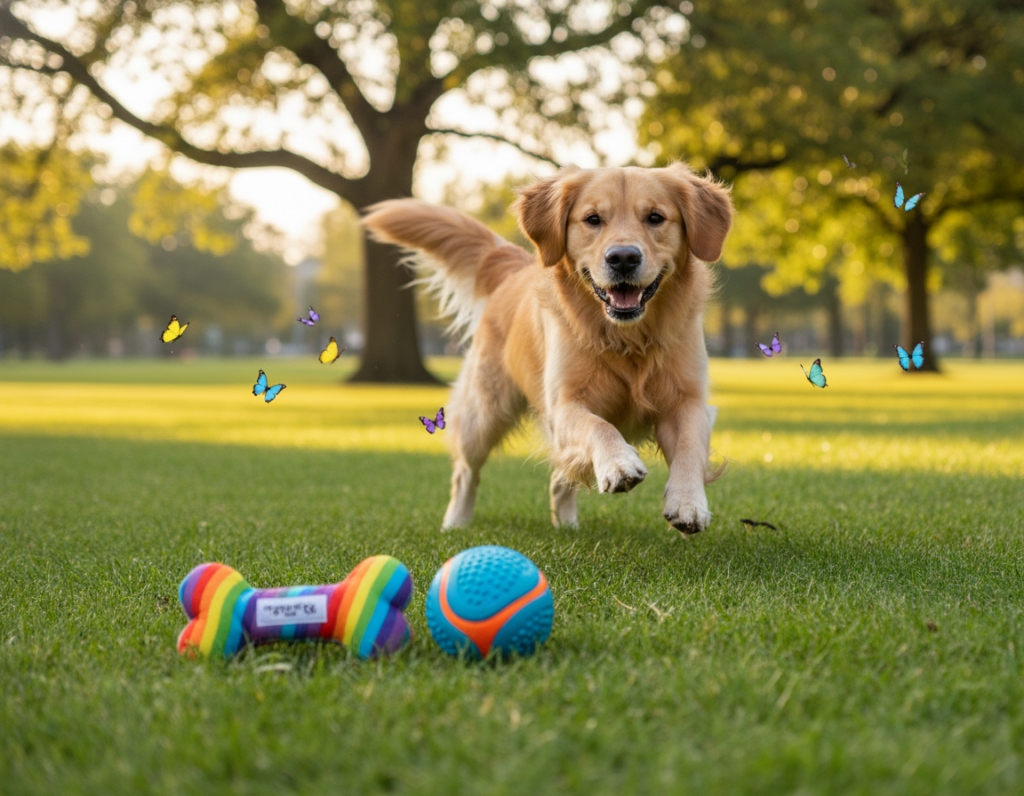
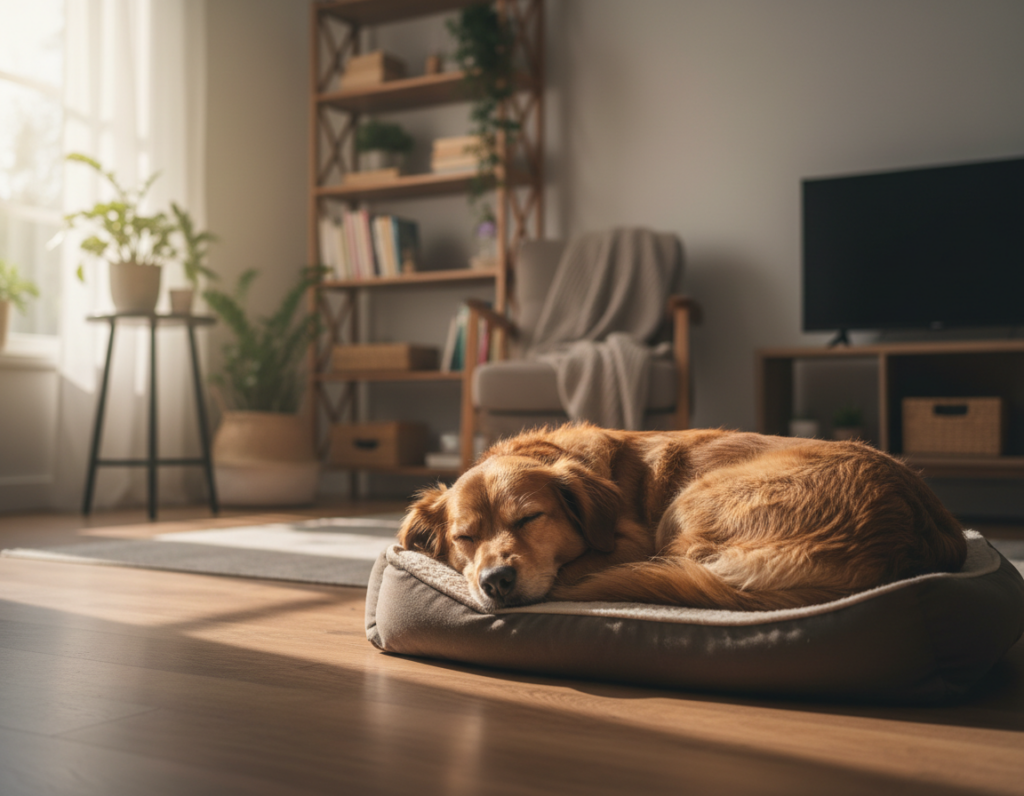
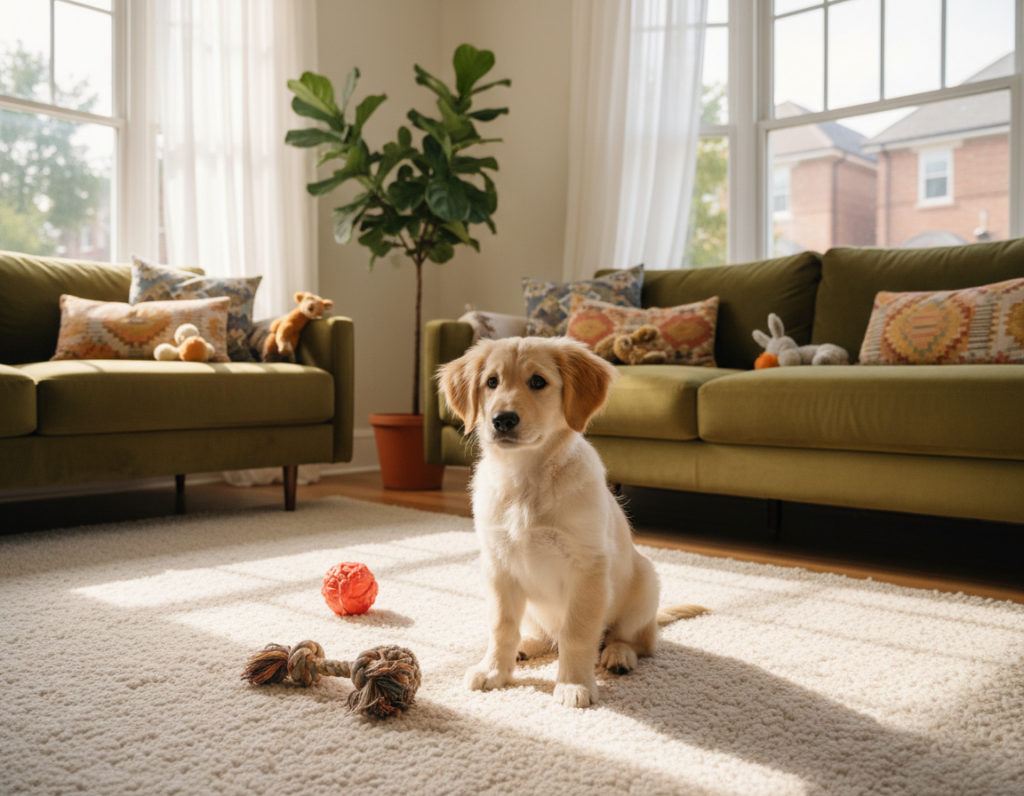
A healthy daily routine can make life easier for both you and your dog. Regular meal times, potty breaks, walks, play, and rest help dogs feel more secure and help owners manage the day with less stress.
The best routine is not the most perfect one — it’s the one you can actually follow. What works for a young puppy will look very different from what works for an adult dog or a senior, so the schedule should always match your dog’s age, health, and energy level.
A steady routine supports digestion, improves potty habits, and helps your dog settle more easily throughout the day. It also makes sleep, training, and alone time more predictable.
– Aim for consistent, realistic habits rather than perfect timing.
– Build around six pillars: feeding, water, potty, exercise, enrichment, rest.
– Customize the plan to your pet and household schedule.
Why a Consistent Routine Supports Your Dog’s Health and Happiness
Small, steady habits each day do more for a pet’s wellbeing than occasional big efforts. A clear plan of meals, potty breaks, exercise, and rest helps meet basic needs and makes life calmer for everyone.
Physical benefits
Consistent feeding times support digestion and metabolism and cut down on stomach upset caused by random meal timing. Regular activity helps with weight control, which lowers the chance of arthritis, diabetes, and heart or respiratory problems.
Mental and emotional benefits
Predictability creates security: when pets learn that you return and food comes at set times, stress falls and separation anxiety can ease. Regular cues also improve focus during training.
How a schedule helps owners
For many dog owners, a set plan means better sleep, fewer late-night bathroom trips, and built-in movement or work breaks. That steady time together also strengthens bonding and improves overall quality of life.
Core Building Blocks of a Healthy Daily Schedule at Home
Start with a handful of dependable blocks that shape a calm, healthy day at home.
Feeding and meals
Feeding on a consistent schedule supports digestion. Most adults do well with two meals per day and limited treats.
Smaller breeds or pets with medical needs may need extra, smaller food servings. Space activity around meals: avoid strenuous exercise an hour before or after for some large breeds to reduce bloat risk.
Fresh water all day
Make sure clean, fresh water is always available. Replace water daily and refresh more often if it gets dirty.
Wash bowls at least weekly to prevent slime and bacteria buildup.
Potty breaks and bathroom opportunities
Plan for at least 3–4 potty breaks a day as a baseline. Key triggers are right after waking, after meals, and following active play.
Exercise, walks, and playtime
Match exercise and walks to age, breed, and fitness: that can mean 30 minutes of play up to 2+ hours of activity for high-energy pets.
Use playtime, puzzle feeders, nose work, training, and interactive toys to tire the body and mind—especially on busy workdays.
Rest and sleep
Create a calm wind-down and a comfortable bed or den area so your pet settles predictably each night.
Tailoring the Routine to Your Dog’s Age, Breed, and Life Stage
Adjusting a plan to fit age and breed turns a generic schedule into one that truly supports health and behavior. Energy level, bladder capacity, and recovery needs change across life stages, so timing and intensity must change too.
Puppies
Puppies often need 3–4 meals per day and potty trips every couple of hours while awake, plus after meals and naps. Several short play sessions are safer than long walks for growing bodies. Until vaccines are complete, keep outdoor walks limited and favor indoor enrichment and backyard potty practice.
Adult dogs
Adults do best with steady meals, regular exercise, and planned downtime. Balance prevents boredom and overstimulation. Match walk length and play to breed energy and health needs.
Seniors
Older pets need familiar times, low-impact movement like shorter walks, and adjusted food to maintain weight. Consistent cues help pets with cognitive decline feel secure and reduce confusion.
New dogs in the home
Predictability helps newcomers settle. Keep existing pets’ usual meal, play, and rest times stable to ease transitions and lower tension in the household.
How to Build a Dog Daily Routine That Actually Sticks
Start by anchoring the day with a few fixed events and let the rest adapt. Anchors give predictability: a morning potty, set meal times, and a calm bedtime cue make planning simple.
Step-by-step anchors
- Wake-up potty, then a short play or walk.
- Breakfast at the same place and time each morning.
- Evening exercise and a consistent wind-down before bed.
Map your real life
Sketch your work hours, commute, and any school pickups. Fit potty and break windows around those constraints so the plan matches your day.
Build flexibility
Keep the big picture steady — like potty after waking and exercise in the evening — but shift exact times a bit on weekends. Gradual changes help reduce anxiety.
Prevent common issues
- Separation anxiety: practice short alone sessions and leave enrichment toys.
- Overtired pup: balance play, training, and naps to avoid zoomies.
- Overstimulation: alternate active blocks with calming sniffing games.
“Consistency teaches expectations; flexibility keeps life manageable.”
| Anchor | Example Time | Why it helps | Quick tip |
|---|---|---|---|
| Morning potty | Within 15 min of waking | Reduces accidents and starts the day calm | Use same door and cue word |
| Meals | Set morning & evening slots | Supports digestion and training | Feed in the same place each meal |
| Evening exercise | After work, before dinner | Burns energy and aids sleep | Choose hikes or sniff walks for variety |
| Bedtime wind-down | 30–45 min before sleep | Signals rest and less nighttime activity | Soft light, quiet toys, and a favorite bed |
Sample Routine for Potty Training a New Puppy
A clear, repeatable flow helps a new pup learn where and when to go. Below is a compact, hour-by-hour sample you can adapt to your schedule. Repeat the same sequence to speed learning and cut down on accidents.
Early morning
First thing: take the pup out for a potty break. Then offer breakfast and fresh water as part of the feeding plan.
Make sure there’s another opportunity to go right after eating.
Before work
Set up a safe place like a crate or playpen with a comfy sleep spot and a long-lasting chew (stuffed Kong). If you will be gone longer, add a designated potty area.
Lunchtime
When the pup wakes, follow this sequence: quick potty, meals, short playtime or training, then a follow-up potty. Refresh the water bowl each time.
After work and evening
Start with a calm reconnect and a potty break. Then do short training sessions and age-appropriate activity that avoids hard impact on growing joints.
Dinner and bedtime
Feed dinner, then take the pup out immediately for a post-meal potty. Wind down with quiet attention so the pup settles into bed.
If the pup cannot hold overnight yet, make a night plan: set an alarm for a quick potty trip or provide a safe indoor option. Consistency in timing and place speeds progress.
Sample Routine for a Housetrained Adult Dog
A clear day map makes it easier to meet physical needs and carve out quality moments together. Use this sample as a guide and adjust for bladder capacity, age, and energy level.
Morning
Start with a wake-up potty break, then offer a meal and refresh the bowl with fresh water. If your pet usually needs to go again, plan a short post-meal trip 10–30 minutes after eating.
Midday
Schedule a bathroom break around mid workday even if the animal can hold it. A quick check to top off fresh water prevents dehydration and gives a needed pause during the day.
Evening
Reserve the evening for a longer walk, extended playtime, and focused training sessions. This block meets physical needs and builds quality time and mental enrichment.
Late evening
Finish with a last potty break and calm activities. Avoid vigorous play close to bedtime so sleep routines stay protected for everyone.
Consistency matters more than the clock; keep the sequence steady and shift times only as needed.
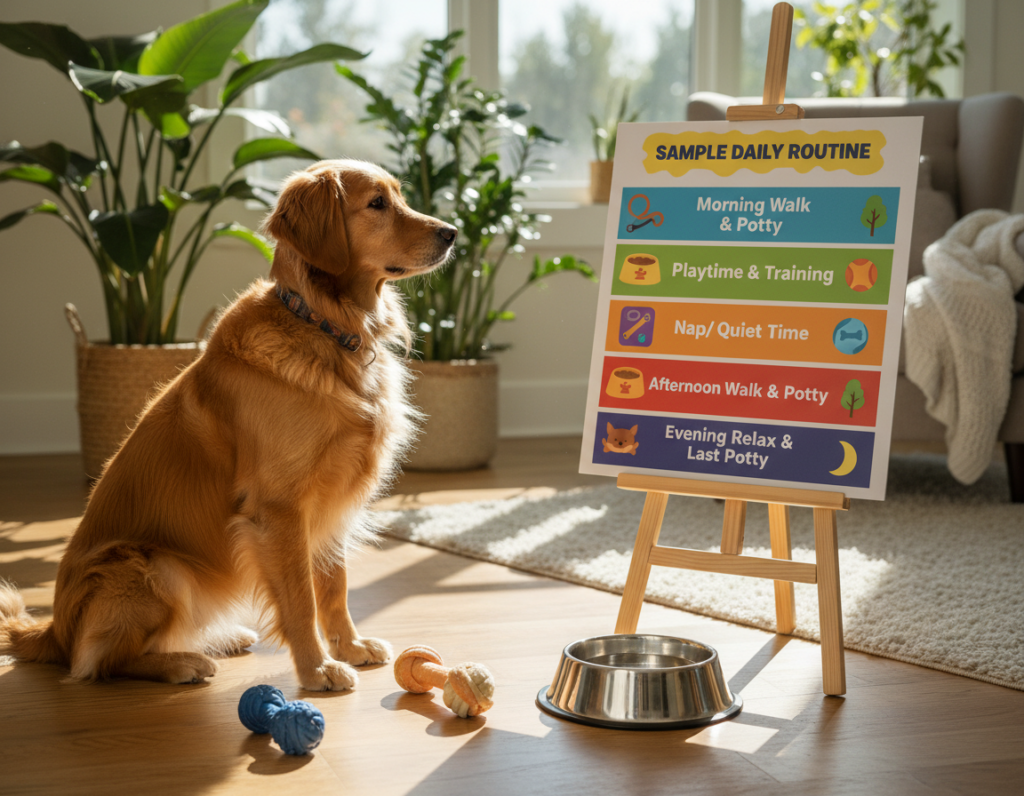
Keeping Your Dog Comfortable on Workdays When You’re Gone
When work pulls you away, planning beats improvising. The main challenge for working owners is meeting potty, exercise, and enrichment needs during long blocks away from the house.
The morning window sets the tone. Make sure the pup gets a potty break, a short walk, breakfast, and fresh water before you leave. That sequence reduces accidents and helps the animal settle.
Midday support options
Dog walker: Best for high-energy pets or long shifts. A mid-shift walk breaks the day and adds needed exercise.
Friend or family: Good for young pups or pets that need gentle, familiar care. Choose someone consistent to lower stress.
Doggie daycare: Ideal when social play and supervision are needed all day. Use daycare for busy workweeks rather than daily if cost or social overstimulation is a concern.
Home setup while you’re away
Rotate toys and use puzzle feeders or long-lasting chews to provide enrichment while you work. Create a calm resting area with a favorite bed and soft light so the house feels safe.
Practice short separations even on work-from-home days. Teach the pet to rest in another room to reduce clinginess and separation anxiety.
Evening and quick return rituals
When you get home, give an immediate potty break and fresh air. Then plan quality time: a walk, some play, or a short training session once work is truly done.
Optional tech: cameras or treat dispensers help monitor and reward calm behavior, but they do not replace walks, bathroom breaks, or human interaction.
Adjusting to Changes Without Derailing the Routine
When life shifts—like returning to the office or moving to a new place—slow adjustments keep stress low for your pet and household. A steady plan survives change best when you move in small steps and keep familiar cues.
Make gradual transitions
Practice alone time in stages: start with 30–60 minutes, then add an hour every few days until you reach regular work hours. This slow way reduces separation anxiety and helps behavior improve without shock.
Change one thing at a time
Adjust only one variable—meal time, walk time, or crate time—so the animal can adapt. If you change many things at once, confusion and setbacks are more likely.
Keep familiar cues after a move
Keep the same feeding mat, potty phrase, bedtime cue, and play rituals. These consistent signals help a pet learn a new place faster and feel secure.
When to seek professional help
Contact a veterinarian if appetite, sleep, mobility, or health needs change. Reach out to a certified behavior professional or veterinary behaviorist for ongoing anxiety, destructive actions, or repeated house soiling.
“Small, steady adjustments protect health and keep your schedule usable.”
Quick tips:
- Make changes slowly over days or weeks.
- Prioritize health needs when altering exercise or meal timing.
- Keep at least two familiar cues the same after a move.
Final note: The best schedule is the one you can follow. Small tweaks are normal as needs change over life; keep adjustments simple and consistent for the healthiest outcome.
Conclusion
A consistent plan gives pets clear expectations and helps families live with less stress.
Keeping the big picture steady—anchors at wake-up, meal times, and bedtime—supports digestion, potty success, energy release, and calm rest. Focus on the essentials: meals/feeding, fresh water, potty opportunities, walks/exercise, playtime and training, and reliable rest.
Be flexible without undoing the structure. Make small timing shifts when needed, adjust pacing for puppies, adults, or seniors, and protect familiar cues to lower anxiety.
Choose one change today—like a consistent morning potty + breakfast sequence—and build from there. For practical training ideas that pair with a reliable schedule, see this helpful guide on training and daily planning.