Small errors now can become big habits later. New owners often miss how everyday moments teach a pup. What seems minor can shape adult dog behavior and affect long-term success.
This article is a practical list of the most common dog training mistakes that slow progress or create problems at home. Think of it as clear advice you can use today to change routines and get better results.
Your dog learns from attention, freedom, and routines—not only from formal sessions. Short, daily practice fits a pup’s short attention span and builds reliability over time.
We’ll cover communication and cues, consistency, reinforcement versus punishment, household boundaries, and real-life manners and socialization. Use the list to spot an issue, stop reinforcing it, and replace it with an easier behavior your pup can do right away.
If a dog shows fear or aggression, seek help from a professional trainer or a veterinarian behavior specialist early. Early guidance improves outcomes and keeps families safe.
Puppy training mistakes that quietly create long-term behavior problems
Small daily habits can quietly shape a dog’s behavior for years. If a behavior keeps happening, the first step is to assume the dog is being paid somehow — with attention, treats, or freedom.
Why puppies repeat what gets attention, treats, or freedom
A reward can be food, freedom, contact, or even a glance. Letting a puppy out when it whines pays the whining. Talking to a dog that jumps gives the dog what it wants: attention.
Attention is not only praise. Eye contact, laughing, pushing away, or saying “no” can all work as rewards for many pups.
How short attention spans shape realistic training sessions at home
Most dogs learn best with 5–10 minute sessions. Short repeats keep motivation high and cut frustration.
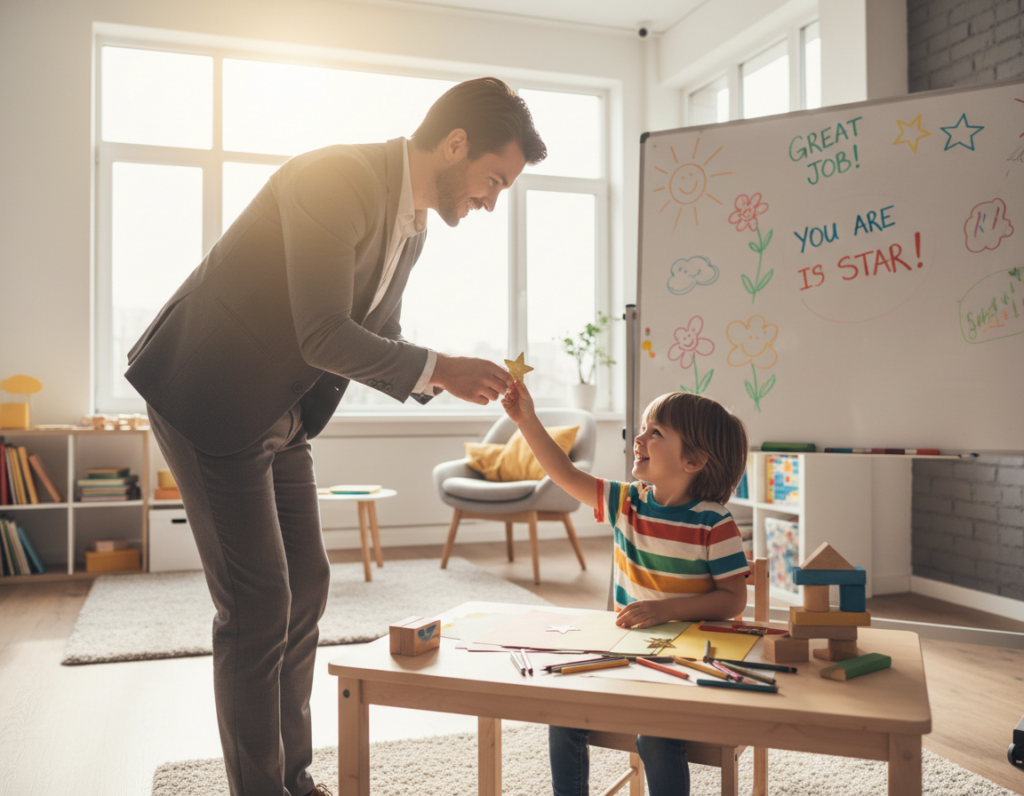
Keep treats and toys handy so you can reward good choices in the moment. Replace “don’t do that” with “do this instead” — reward calm sitting, four paws on the floor, or quiet in the crate.
| Unwanted Behavior | What Pays It | Replacement Behavior | Quick Tip |
|---|---|---|---|
| Whining in crate | Release/freedom | Quiet wait, calm exit | Delay exit until quiet |
| Jumping on guests | Talking/petting (attention) | Four paws on floor | Turn away, reward sit |
| Pulling on leash | Forward movement | Loose-leash walking | Stop when tension starts |
Cue and communication mistakes that confuse your puppy
Clear cues and calm body language are the backbone of reliable recall and everyday manners.
Cue nagging and slow responses
Cue nagging is repeating a cue until the dog moves. That teaches the dog to wait you out and answer on the third or fourth try.
Say a cue once. If the dog ignores it, pause, reduce distractions, or use a leash to reset attention before repeating.
Poisoned cues and how to avoid them
A cue becomes “poisoned” when it predicts something unpleasant. For example, calling “come” only to give a bath makes recall less reliable.
Pay the cue generously and separate it from bad outcomes while the cue is still being built.
Family words, tone, and body language
Mixing cue words (like using “down” for different actions) confuses dogs. Pick distinct cues and make a simple fridge list so the whole family follows the same rules.
Dogs read posture and tone. High arousal or angry calls make recall feel unsafe. Watch for stiff bodies, frantic circling, or refusal of treats — those are signs to lower difficulty or stop.
| Problem | What to do | Quick result |
|---|---|---|
| Cue nagging | Say cue once; pause; reset with leash or attention | Faster, reliable response |
| Poisoned cue | Pair cue with rewards; separate from negatives | Restored trust in cue |
| Mixed family cues | Create one-word list; review rules with everyone | Clear expectations, fewer errors |
Consistency and practice errors that stall dog training progress
Daily short practice beats long, rare sessions. Missing practice between classes is a common cause of slow progress. Small, frequent reps help a pup build reliable habits without burnout.
Skip weekly classes, not daily work
Once-a-week lessons alone rarely create lasting change. Your dog needs short sessions each day to build fluency.
Try multiple 5–10 minute sessions, plus 30–90 second mini reps during ordinary moments.
Short sessions, not marathon practice
Long sessions drain focus. Five-to-ten-minute blocks keep motivation high and make steady progress faster.
Change the plan when progress stalls
Useless repetition looks like repeating the same lure or saying a cue louder. Pause, lower difficulty, or change one variable at a time.
Proofing, pacing, and using a trainer well
Don’t stop after wins in one room. Proof cues in new places and add distractions slowly. Aim for about 8 out of 10 successes before increasing difficulty.
- Debug tips: reduce distractions, increase rewards, shorten distance, or use a leash.
- Trainer use: bring specific questions, do the homework, and track progress week to week.
Reinforcement and punishment mistakes that backfire
Accidental rewards are the hidden engine behind many everyday behavior problems. Owners often give food, freedom, contact, or attention without realizing they are shaping future behavior.
How the reinforcement trap works and clear alternatives
Whining often gets freedom, which pays the whining. Jumping gets petting, which pays the jump. Pulling moves a walk forward, which rewards pulling.
Instead, reward quiet for whining, reward four paws on the floor for greetings, and stop when the leash is tight so loose-leash walking is the way forward.
Why punishment backfires and what not to do
Harsh corrections damage trust. Hitting, kicking, dragging, holding down, screaming, or rubbing a dog’s nose in accidents raises stress and creates avoidance.
Humane corrections and handler mindset
Use management tools (leash, gates), remove access to rewards, and reinforce the correct behavior the moment it happens.
If you feel frustrated or anxious, pause. Do a calm walk or gentle play first, then give consistent, calm feedback when you are ready.
- Example: After a long day, take a decompression walk or soft fetch instead of drilling recall; resume practice when you can stay patient.
Goal: build reliability and trust so your pet learns faster and generalizes good behaviors throughout life.
Household routines and boundaries mistakes at home
How you set up the house often decides which habits a pup keeps. Small daily cues teach a dog when to go, when to wait, and what is allowed.
Potty routine that backfires
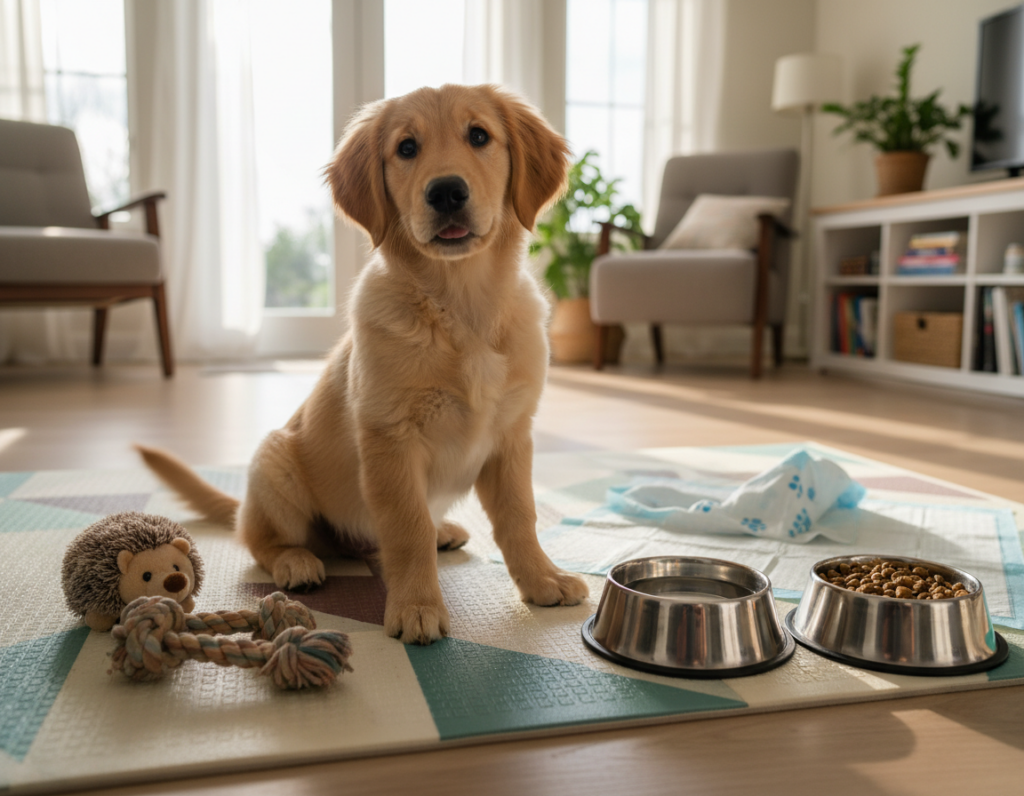
If outdoor time ends the second a pup pees, many dogs learn to hold it to keep sniffing. Praise and reward the elimination, then keep walking or play for a minute so going promptly becomes the quickest path to more fun.
Simple, repeatable potty plan
- Leash your pup and wait quietly.
- Reward immediately after success.
- Give a short bonus walk or play as a follow-up.
Doors, couches, and impulse control
Teach sit-and-wait at the door and calm invites onto the couch. Consistent household rules reduce testing and speed learning. Make sure everyone follows the same expectations at doors and furniture.
Free roaming and crate choices
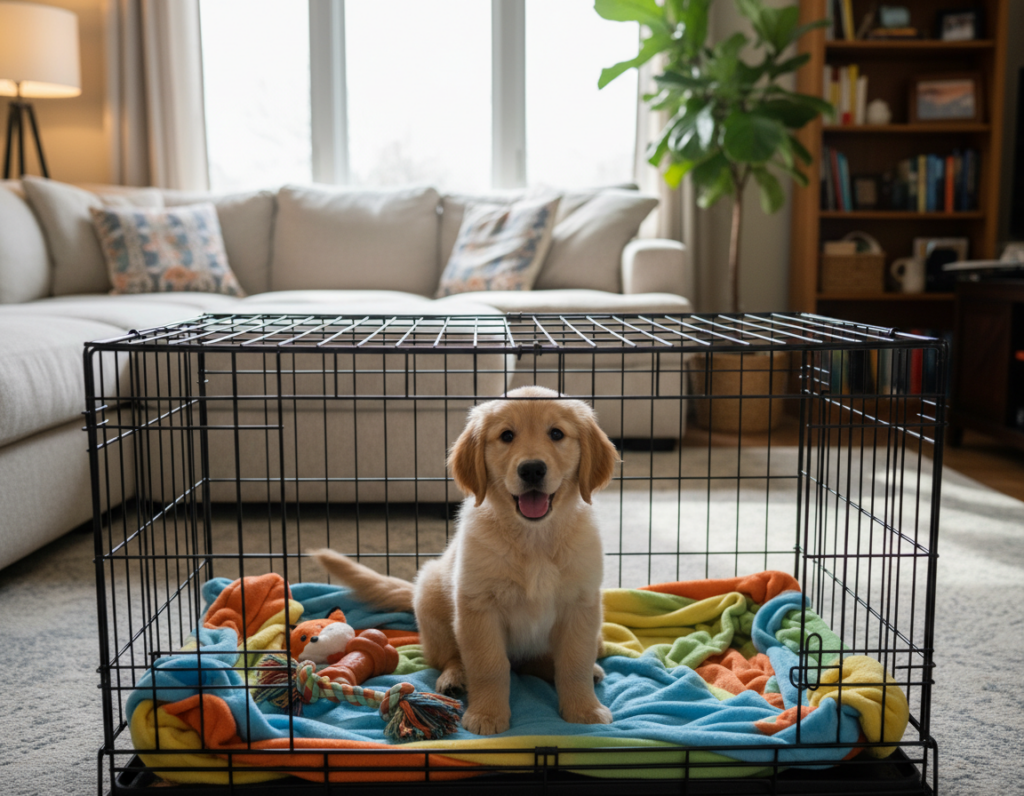
Unsupervised access lets pups practice chewing and digging. Puppy-proof one room, use a pen, and rely on a crate for naps and short separations. Rotate safe chews to prevent boredom.
Crate whining and calm independence
Do not rush to the crate at every whine. Return the dog only when quiet and offer a stuffed Kong or Toppl to support calm behavior. Short, regular comings-and-goings teach independence over time.
Socialization, handling, and real-life manners mistakes people regret later
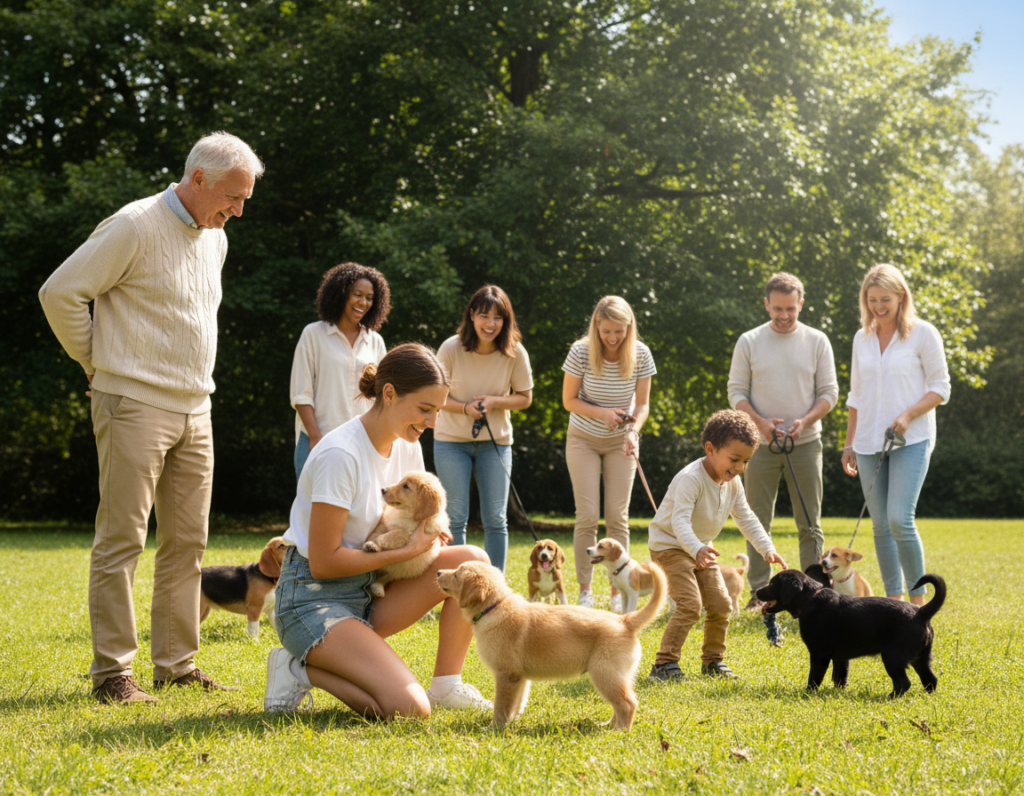
Early social steps shape how a dog faces the world as an adult. The social window (roughly 3–14 weeks) is short but powerful. Keeping a puppy isolated can lead to fearfulness and reactivity later in life.
Safe socialization during the key window
Expose the pup to calm people, surfaces, sounds, and other friendly dogs at a slow pace. Do not force scary encounters. Stay mindful of vaccinations and use distance plus treats to keep visits positive.
- Controlled puppy classes and calm meet-and-greets.
- Quiet visits to different floors, sidewalks, and pet-friendly stores.
- Use rewards and short sessions so new sights stay pleasant.
Mouthing and appropriate outlets
Love nips are normal exploration. Letting them continue becomes painful as the dog grows. Redirect to durable toys and reward chewing or tugging on those items instead of hands.
Door manners, leash basics, and table habits
Keep arrivals low-key. Put the pup on a leash before guests enter, reward calm positions, and practice a sit-and-release at the door to stop rushing or slipping out.
For leash pulling, stop walking when the leash tightens. Reward loose-leash forward motion and repeat. Consistency is the first step to enjoyable walks.
Avoid feeding from the table. Use a crate or bed plus a long-lasting chew (like a stuffed Kong) to prevent lifelong begging habits.
| Problem | Fix | Quick win |
|---|---|---|
| Isolation during social window | Short, safe exposures to people and places | More confident behavior later |
| Love nips | Redirect to toys and reward chewing | Hands stay safe, play stays fun |
| Leash pulling | Stop when tight; reward loose leash | Smoother walks |
Grooming is behavior work. Shape paw handling in tiny steps. Touch, treat, and then introduce clippers or an electric toothbrush to mimic the sound. Short, calm sessions prevent fear and build lifelong ease.
If you want a quick read on related common pitfalls, that guide offers practical reminders for day-to-day care.
Conclusion
Small daily choices shape long-term behavior more than rare, intense lessons. Most errors are not about being a bad owner but about repeatable patterns of attention, timing, and consistency.
Key fixes: say cues once, avoid poisoning recall, keep short daily sessions, and stop rewarding unwanted actions with attention or freedom. Use management tools—crate, pen, gates—to prevent rehearsal of bad habits while you teach the right way.
If you feel frustrated, pause. Quality beats rushed time. Proof skills in new places and add distractions slowly so dog training becomes reliable, not just a living-room trick.
Try this now: pick one thing to change, choose one replacement behavior, and practice 5–10 minutes daily for a week. Small, consistent steps build long-term success.