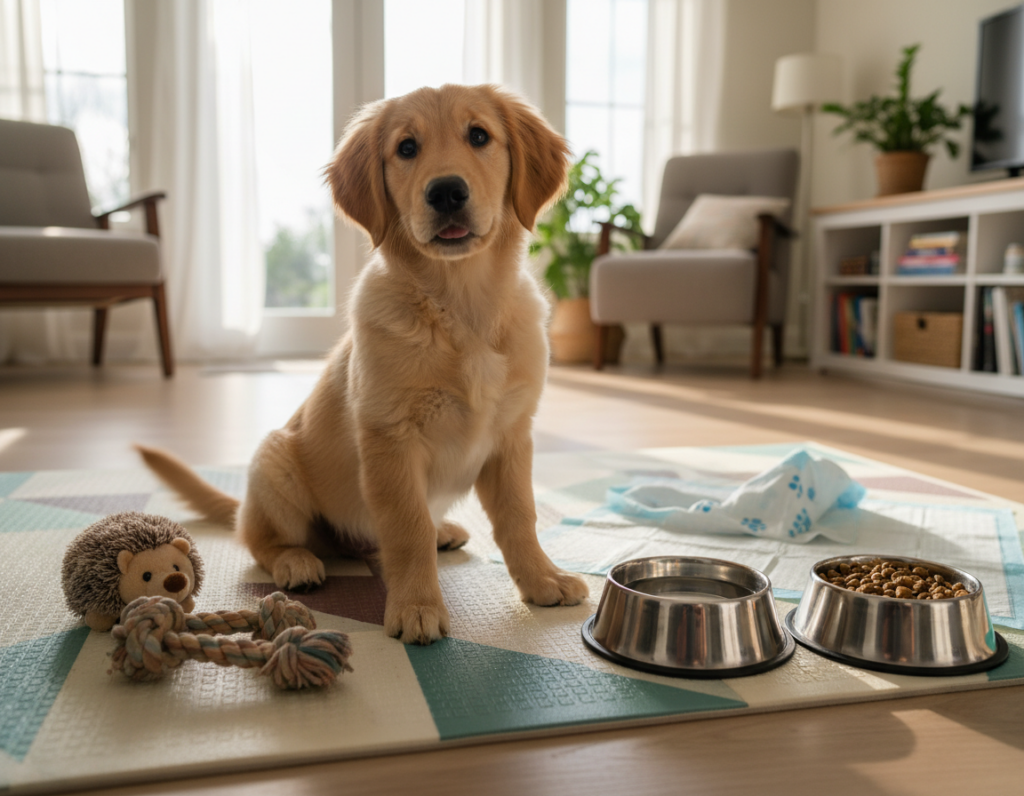
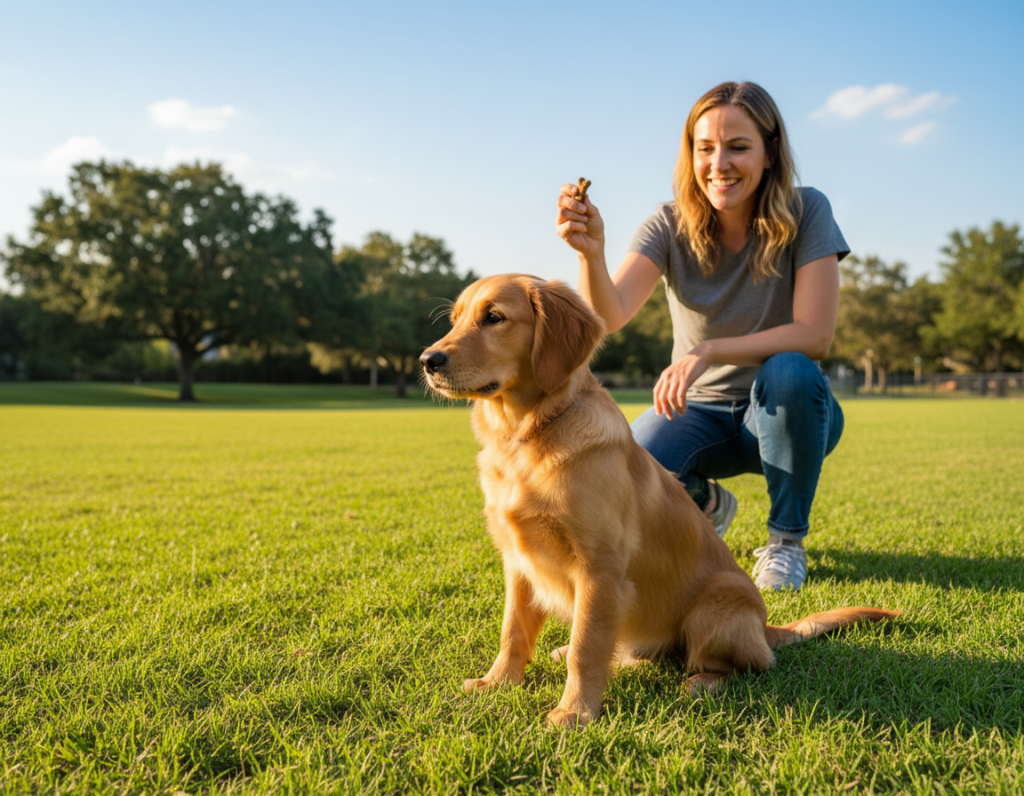
Start simple. A small, enclosed space can become a safe den for a young dog and help with house habits. When introduced gently, the crate acts as both a management tool and a comfort spot.
What to expect: This guide defines how to teach a pup to relax on cue in brief, age-appropriate sessions. Progress is gradual; patience and repetition matter more than instant results.
Used well, the approach protects your home from unsafe chewing and supports house training because most dogs avoid soiling where they sleep. Too much confinement, though, can cause accidents.
Without stress means calm entry, quiet settling, and a pet that chooses the space when tired. Setbacks are normal; the plan focuses on steady steps, positive reinforcement, and safety rules.
This short intro previews the full guide: choosing the right model, setting up the area, building positive associations, age-based timing, daily routines, troubleshooting, and key safety reminders.
Why crate training works for puppies and pet parents
A small, predictable den gives many young dogs a calm spot to rest when the world feels overwhelming.
An enclosed, familiar place reduces stress
Dogs are den animals by nature. An enclosed, predictable space often helps a new pet settle faster in a busy home.
How routine supports house skills and safety
Limiting unsupervised roaming lowers accidents and teaches holding until scheduled potty breaks. It also protects your house and the dog from hazards like cords or small objects.
Never use it as punishment
Do not punish by forcing a dog into this area. Negative use creates fear, more vocalizing, and longer setbacks.
- Signs of anxiety: restlessness, whining, or pacing can improve with a steady routine.
- Owner tip: treat this as the dog’s bedroom—meet exercise, food, and elimination needs first.
- Long-term payoff: calmer vet visits, easier travel, and fewer behavior problems from unsupervised freedom.
Setting up the dog crate for success at home
The right setup makes the area a comfortable, reliable spot for rest and short breaks.
Wire vs. airline-style kennels
Wire models offer visibility and airflow. They work well when your pet likes to see the family and relax with company nearby.
Airline-style kennels give a darker, cave-like feel. Choose this if your young dog prefers a cozier, den-like space.
Sizing and using a divider
Buy a crate sized for adult length and adjust with a divider. The animal should stand, turn, and stretch, but not have excess room that becomes a bathroom.
Start with a smaller area and expand it as bladder control and calmness improve.
Placement and what to put inside
Place the unit where the family spends time—kitchen, den, or bedroom—rather than in isolated basements or laundry rooms.
Use a mat, towels, or a durable bed if safe. Some dogs prefer a firm surface. Add one chew-safe toy and remove anything that can be torn and swallowed.
- Setup checklist: dog crate, divider, mat/towels, one chew item, cleaning supplies.
Crate training puppy with positive associations from day one
Start by making the crate a safe choice your new dog wants to enter, not a place they feel forced into.
Leave the door open and let your pup investigate at their own pace. Scatter a few small treats just inside to encourage voluntary entry.
Using treats, meals, and chew toys
Move treats gradually deeper so your dog learns the inside crate is rewarding. Feed short meals near the opening, then inside, so mealtimes feel normal there.
Tip: Offer a long-lasting chew like a frozen KONG with peanut butter to build calm duration. This helps your pup settle for minutes without stress.
Crate games that make going in and out fun
Play simple games to make entry part of play: toss a ball so it lands inside or hide small treats for a “find it” game. Praise choice and stay relaxed—your body language matters.
- Day one approach: door open, choice-based exploration.
- Timing: several mini-sessions rather than one long attempt.
- Goal: build trust and curiosity, not forced or long stays.
“Use positive rewards and short, frequent sessions to make the space a happy part of daily life.”
Building calm crate time without tears
Teach calm entries by making quiet moments a cue for rest, not a pause in play. The goal is a calm in, calm out routine so the animal links the space with rest and positive associations.
Why calm entry matters more than crating during play
Placing a dog in the unit during high-energy play teaches them to escape, not settle. Aim for quiet, low-energy transitions so the area becomes a refuge.
Start with short periods and extend by minutes
Begin around ten minutes and add small increments. Gradual increases in minutes prevent panic and build confidence.
How to close the door gradually
Use stepwise door training: swing the door toward closed, reward, open. Then latch for 1–2 seconds, reward, and lengthen slowly.
- Pick the right moment: after a potty and a brief settle when the animal is naturally sleepy.
- What to reward: quiet lying down, soft eyes, and relaxed breathing—ignore frantic behavior.
- Reset if needed: if panic occurs, reduce difficulty and rebuild the positive process.
| Session | Start Duration | Goal |
|---|---|---|
| Initial | 10 minutes | Calm, door open or latched 1–2s |
| Progress | 15–20 minutes | Relaxed lying, fewer cues needed |
| Daily | 30+ minutes | Consistent calm behavior and trust |
Timing, hours, and age guidelines to prevent accidents and setbacks
Match confinement hours to bladder control by age. Young dogs have limited holding capacity, so plan breaks that fit biological limits rather than fixed schedules.
Matching bladder control by months
Use these daytime guidelines after a potty trip: around 2 months ≈ up to 3 hours, 3 months ≈ up to 4 hours, and 4 months ≈ up to 5 hours. Individual variation exists, so watch your pet’s signals and adjust.
Weekly planning for very young animals
- 8–10 weeks: 30–60 minutes
- 11–14 weeks: 60–180 minutes
- 15–16 weeks: 180–240 minutes
- 17+ weeks: 240–300 minutes
Why too much time causes setbacks
Pushing hours beyond control forces soiling and can weaken the instinct to keep the sleeping area clean. That setback slows house learning and creates frustration for both owner and pet.
Housebreaking routine to speed progress
On release, carry or leash the animal straight outside, wait quietly, and reward elimination immediately. This links the act to the correct spot and speeds up learning.
When a larger area is better
For longer absences, use a puppy-safe pen or dog-proof room with a designated elimination spot away from bedding. This reduces accidents and protects your routine while you are out for the day.
The confinement is not an excuse to ignore needs—plan your day around regular breaks to keep progress steady.
Daytime crate training and leaving the house without stress
A calm, predictable daytime routine helps your dog rest while you step out for short errands. Start each day by ensuring the pet has played, eaten, and eliminated before a period alone. That sequence reduces accidents and lowers separation stress.
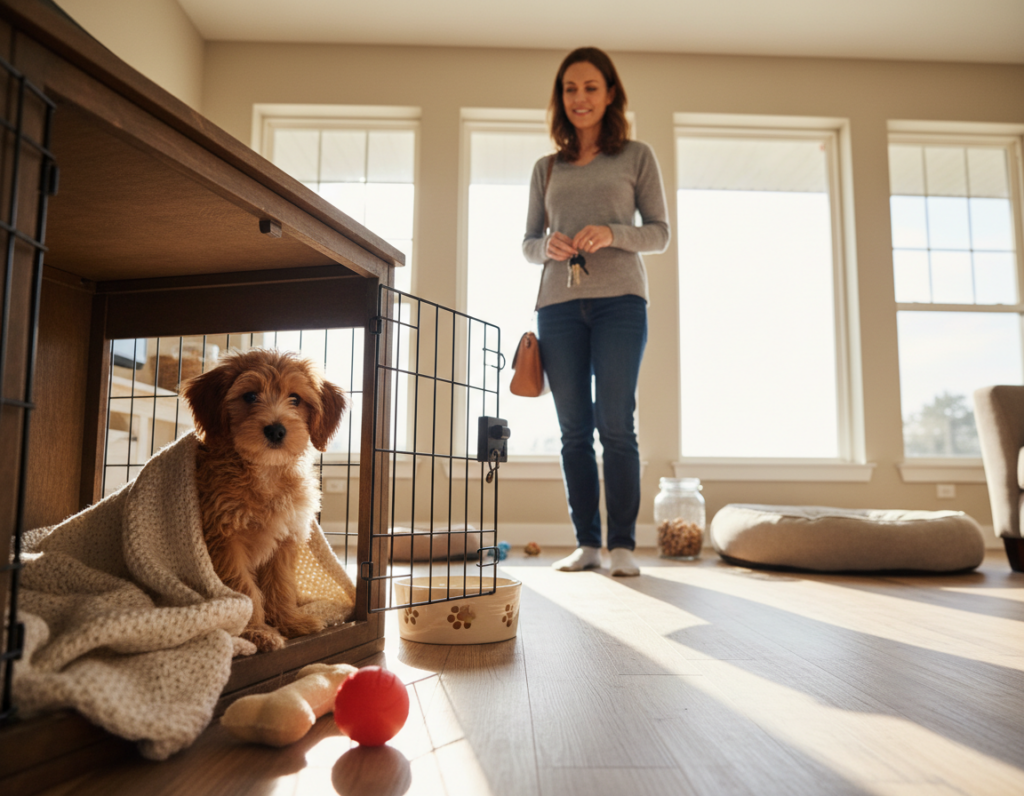
Pre-crate checklist
Quick checklist before confinement:
- 5–15 minutes of play or gentle exercise.
- A meal or snack timed to digestion patterns.
- A successful potty trip right before you close the door.
Practice short departures first
Start with brief absences—coffee runs, not full workdays. Use a step-up plan: 5–10 minutes, then 20, then 45, then 90. This gradual approach teaches your dog you will return and cuts down panic during longer periods.
Enrichment that lasts during the day
Provide durable calm options: frozen food toys or a safe chew can extend quiet time inside crate. Offer treats as “settle paychecks” for calm entry and relaxed body language—do not toss rewards that encourage loud begging.
How to monitor anxiety when you’re gone
Use a remote dog camera to check for pacing, panting, nonstop vocalizing, or escape attempts versus quiet resting or chewing. If you see anxiety, shorten absences and rebuild from shorter periods. If calm behavior increases, lengthen time away gradually.
“Reward calm on return and adjust duration based on what you observe.”
Night crate training in the bedroom for better sleep
The bedroom can turn restless nights into calmer ones if you set a predictable evening rhythm and stay close at first.
Crate placement near your bed to reduce nighttime anxiety
Keep the unit close to your bed during the first weeks so your pup feels secure and you can hear real needs. Proximity helps you respond quickly to a true potty signal and prevents unnecessary reinforcement of crying.
Food and water timing before bedtime to limit overnight potty needs
Stop food and reduce water about two hours before lights-out, adjusted to vet advice and age. A final small drink and then a direct potty trip minimize midnight accidents.
Evening rhythm: exercise, wind-down time, then a final potty break
Plan the sequence: active play earlier, calm activity before bed, then a quiet trip outside. This helps the pup shift from high energy to sleep-ready state and lowers restless night time behavior.
Making the crate comfortable without creating chewing or pee problems
Start with a washable mat or towel rather than plush bedding if chewing or soiling is a concern. Remove soft items that can be shredded until your dog shows safe habits.
- Don’t rush the door—close it gently after the pup settles.
- Expect occasional night waking; bladder control improves with time and consistency.
“Consistency, proximity, and a calm bedtime routine cut most night issues quickly.”
Troubleshooting whining, barking, and crate anxiety
Nighttime vocalizing often becomes a learned habit when responses reward the behavior. Owners who rush in, soothe, or open the door during loud crying can unintentionally teach a pup that noise brings attention.
How attention can accidentally reward crying at night
The reinforcement trap: If you talk, pet, or let out a pup while it cries, the action becomes effective. Ignore mild complaints until a short quiet window, then reward calm behavior.
When vocalizing is normal vs. a sign of real distress
Brief whining that stops is normal. Persistent barking, drooling, destruction, or repeated elimination signals serious anxiety and may need a behaviorist.
Resetting the training process if you moved too fast
Return to door-open exploration, shorter sessions, more daytime practice, and high-value chew items. For an old puppy or a newly adopted dog, slow the timeline, feed inside, and rebuild trust.
| Night issue | Likely cause | Action |
|---|---|---|
| Short whining | Adjustment | Ignore until quiet; reward calm |
| Nonstop barking | Separation anxiety | Consult trainer or vet behaviorist |
| Repeated elimination | Too long alone | Shorten time; add potty breaks |
If the behavior escalates or the dog injures itself, seek professional help promptly.
Crate safety rules every dog owner should follow
A few simple habits make confined rest much safer for both owner and pet.
Keep the area free of anything that can snag or choke. Remove collars, ID tags, bandanas, and loose harness parts before placing a dog inside. A tag caught on metal bars can lead to serious injury, and this risk is easy to prevent with a quick habit.
Safe toys and bedding choices
Only leave durable toys made for strong chewers. Avoid items that splinter, shed stuffing, or break into sharp pieces.
If a puppy destroys bedding or soils it repeatedly, remove plush beds temporarily. Use a simple mat or towel until safe habits develop.
- Supervision & needs: Meet exercise, mental stimulation, and potty trips before confinement.
- Setup checks: Test latches, inspect for sharp edges, secure any divider, and confirm good ventilation and temperature.
- Prevention: Regular checks prevent accidents and keep progress on track.
| Risk | Cause | Action | Outcome |
|---|---|---|---|
| Collar/tag snag | Worn during rest | Remove before confining | Eliminates strangulation risk |
| Toy destruction | Wrong type/size | Swap to durable, sized options | Safer chewing, less choking |
| Soiled bedding | Too soft or overlarge | Use simple mat; reassess later | Cleaner area, faster habit learning |
Simple daily checks protect your pet and preserve the calm you worked to build.
For more detailed guidance and practical tips, see crate safety tips.
Conclusion
Success comes from steady, short sessions that add up to calmer, more reliable behavior. Start by choosing a durable dog crate sized for adult length, set it in a social spot at home, and build positive associations first.
Calm entry and gradual increases in time beat forcing long periods, especially in the first days and weeks. Meet needs—potty, play, and food—before confining and reward elimination immediately after release to speed house learning.
Daytime practice supports better nights when the crate door is introduced slowly and predictably. Watch patterns, adjust durations, and treat signs of anxiety seriously rather than pushing through.
Keep the animal “naked” (remove collars), offer only safe toys, and remove bedding if chewing or soiling occurs. For more detailed tips, see crate training tips.
Be patient: this is a skill you teach over time. Consistent routines usually produce a calmer dog and a more peaceful home.