Where a pet naps at night depends on age, health, and personality. There is no single right choice. Some prefer a cozy bed, others a crate, and some pick the cool floor. The best pick fits your household and helps everyone rest.
Comfort and quality matter: steady rest supports learning, behavior, and long-term health. A consistent spot means your companion knows what to expect each night.
This guide will walk you through three decisions: the location in your home, the setup (bed vs. crate vs. bed-sharing), and a routine that helps settling. Start with safety in mind: remove choking risks and unsafe items from nearby.
Expect small changes. Many pets rotate between spots at first. Aim for a calm, stable nighttime setup that works for both people and pets, not perfection on night one.
Key takeaways: Choose a predictable spot, prioritize safety and comfort, and adjust routines for better household sleep.
Why a Dedicated Sleeping Space Improves Your Dog’s Comfort, Rest, and Health
When a companion has one consistent place to sleep, nights become calmer and days run smoother.
Consistent, quality sleep helps pets focus during the day and shows in steadier behavior. A predictable routine supports training, reduces anxiety, and makes household life easier.
How quality sleep supports behavior and routine
Good rest means faster learning and fewer upset routines. Dogs sleep better when they know where to go at night. That lowers decision fatigue and helps them settle quickly.
What sleep patterns can reveal about stress, pain, or illness
Monitor nighttime habits. Frequent waking, pacing, panting, or unusual vocalizing can be red flags. Sudden increases or drops in total sleep also warrant attention.
- What good sleep looks like: settles within a reasonable time, fewer awakenings, wakes relaxed and ready for the day.
- Warning signs: frequent nighttime waking, restlessness, pacing, or loud breathing.
- Possible causes: stress, pain, itchiness, breathing issues, or cognitive changes—see a vet if problems persist.
Preventive care matters: comfortable support and a calm spot reduce strain and improve long-term health. Better sleep boosts the whole household’s routine and quality of life.
For more on creating a dedicated space that helps your pet rest, see this dedicated space.
Assess Your Dog’s Needs Before You Choose a Sleeping Spot
Start by matching your pet’s life stage and habits to a sleeping choice that supports rest and safety.
Puppy sleep needs
Puppies can sleep up to 20 hours a day and often struggle after leaving their litter. Keep a crate next to your bed at first. This helps them feel secure and calms nights while they adjust.
Adult preferences
Adult pets fall on a spectrum. Some prefer to be near people; others want independence and less noise. Watch who they choose during quiet time to decide bedroom or living room placement.
Senior comfort
Seniors need joint support, low step-in heights, and quieter spots with easy access. Choose orthopedic bedding and put it where traffic and drafts are low.
Personality and behavior clues
Observe where your companion naps during the day and whether they follow you room to room. Note clinginess, noise sensitivity, and heat- or cool-seeking habits.
Strong takeaway: The best setup is the one your pet uses consistently and that supports restful sleep.
Pick the Best Place in Your Home: Bedroom, Living Room, or Another Quiet Room
Choosing a place in the house is a practical choice tied to temperature, noise, and how much company your pet wants. Consider where the household is calm at night and where the room’s layout supports rest.
Bedroom placement: security and bonding
Bedroom placement lets people and pets stay close. This can boost bonding and calm anxious companions.
Note: it may disturb light sleepers if movement or snoring is an issue.
Living room placement: space to stretch
The living room gives more space to stretch and stay near evening activity. It works well for independent pets and larger breeds that need room.
But TVs, foot traffic, and evening noise can interrupt deep rest.
Practical checklist and temperature tips
- Choose a low-traffic, draft-free spot away from vents and exterior doors.
- Position the bed so your companion can see the room without being in the middle of it.
- If the floor is chosen for coolness, add a breathable bed and avoid direct heat sources.
Trial-and-error plan
Commit to one spot for 3–5 nights. Watch how fast your pet settles and count nighttime wake-ups. Then move and compare.
Two-spot strategy: keep a quiet nighttime place plus a daytime social space if your house allows it.
Choose the Right Setup for Night Sleep: Dog Bed, Crate, or Your Bed
Picking the right night setup means balancing comfort, hygiene, and household routines. Three common options work well: a dedicated bed, a crate, or sharing your bed. The best choice supports restful night sleep for both pet and people.
Benefits of a dedicated bed
Dog beds provide joint support and a clear place to rest. Look for durable, easy‑clean covers and firm foam for older companions. A washable cover keeps hygiene simple and helps manage odors and parasites.
Crate basics and sizing
Crates work as a den‑like safe place. They set boundaries and aid house training for puppies. Choose a crate that lets the animal stand, turn, and stretch.
When sharing a bed makes sense
Bed-sharing can boost bonding and calm anxious adults. It often fits homes where owners sleep soundly and accept extra cleaning. Note: up to 48% of Brits report sharing a bed with their pet as a general reference.
“Comfort and consistent rules make any setup more successful.”
Downsides and free-roaming
Bed-sharing can disturb night rest, raise hygiene concerns, and pose fall risks. Free‑roaming at night suits well‑trained adults with reliable potty habits and restricted, safe rooms only.
- Quick tip: Test one option for several nights and watch sleep quality before switching.
Build a Cozy Sleeping Space Your Dog Will Actually Use
Small changes in bedding and placement can turn an unused corner into a favorite resting spot. Start with the right base and add layers that match needs.
Right-size the room
Practical rule: the pet should stand, turn, and stretch without hanging off the bed. Measure shoulder-to-tail and pick a bed or crate slightly larger.
Comfort materials
Supportive bedding helps joints; breathable fabrics suit warm sleepers. Use easy-clean covers for hygiene and odor control.
Blankets often add warmth and security, but watch for overheating or chewing in young pups.
Noise and light control
Choose a darker corner with low traffic. Reduce TV noise, try a white-noise machine, and avoid placing the bed in a hallway.
Safety check
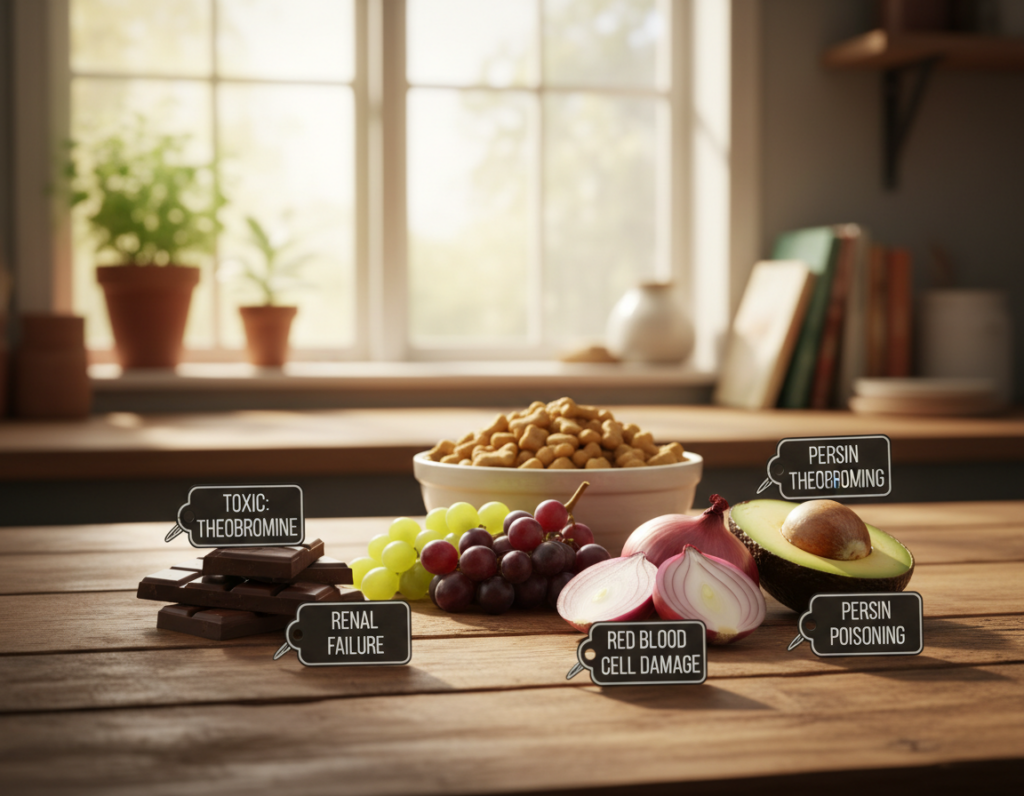
Do a sweep: remove choking things, hide cords, and lock away toxic foods. Crates or enclosed setups also prevent access to hazards at night.
Multi-spot approach
Keep one dedicated nighttime bed and a second daytime rest spot near family rooms. This helps pets relax with people by day and sleep reliably by night.
“Comfort, consistency, and safety make a sleeping spot your companion will actually use.”
- Choose the base: bed, crate, or mat sized to stand and stretch.
- Set boundaries: place in a quiet corner with visibility of the room.
- Add comfort layers: supportive pad, breathable cover, and optional blanket.
- Perform a safety sweep: remove cords, small objects, and accessible toxins.
| Bedding type | Best for | Maintenance |
|---|---|---|
| Orthopedic foam bed | Senior joints, larger breeds | Removable cover, machine wash |
| Crate with pad | Puppies, den-preferring pets | Wipeable surfaces, pad removable |
| Breathable mat | Warm sleepers, travel | Spot clean, air dry |
| Blanket layers | Extra warmth and security | Wash regularly, monitor chewing |
Create a Bedtime Routine and Training Plan That Helps Your Dog Feel Secure
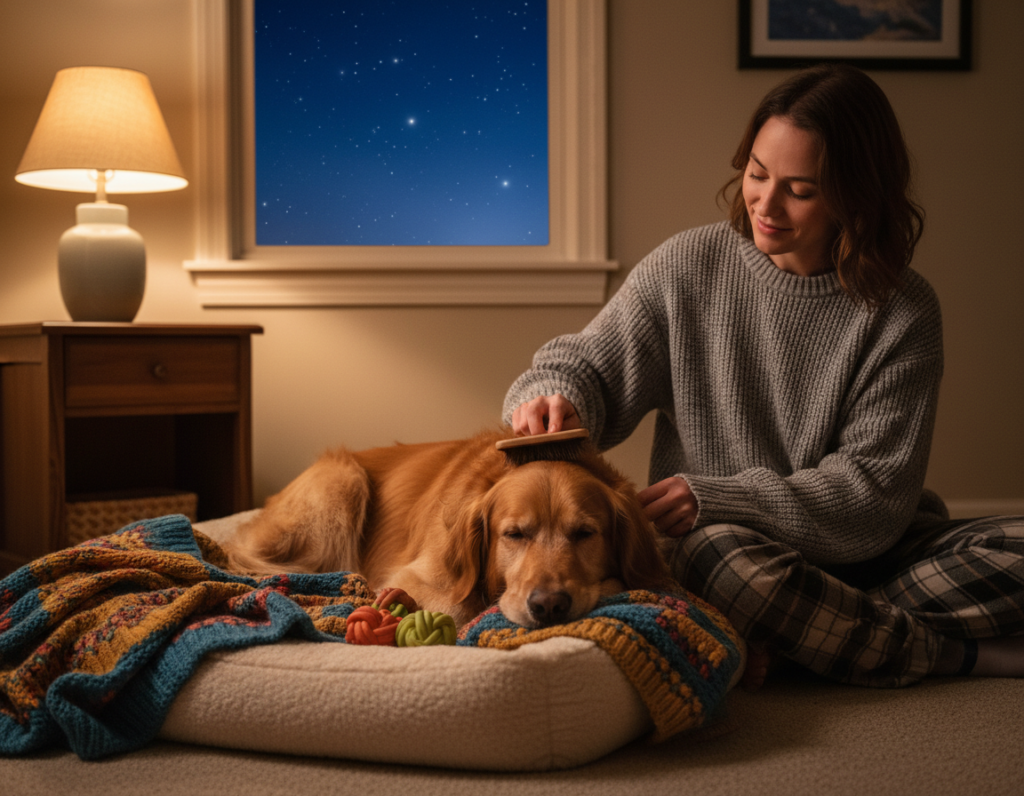
A steady bedtime plan helps pets settle faster and cuts late-night disruptions. Keep steps consistent each night so your companion learns what to expect and when to rest.
Consistency matters
Repeat the same sequence every evening: last potty break, calm wind-down, lights down, then guide them to the same dog sleeping area. Consistency reduces anxiety and speeds up settling time.
Crate training for calmer nights
Make the crate inviting with a soft pad and a familiar blanket. Use calm reinforcement and treats for short entries. Never use the crate as punishment so it stays a safe place.
Transitioning puppies
Start with the puppy nearby, often in a crate next to your bed. Over several nights, move the crate a little farther until it reaches the long-term spot. Small steps help the pup adjust without stress.
Troubleshooting common setbacks
If whining begins, first check needs (potty, water, pain). Then wait calmly rather than immediately responding; this avoids reinforcing night vocalizing.
For pacing, adjust temperature, reduce noise, and test lower lighting. If your companion keeps switching spots, test bedding size and placement one change at a time.
“Observe patterns over several nights and change only one thing at a time.”
- Evening checklist: last walk, quiet play, lights dimmed, guide to bed.
- Crate tips: soft pad, short positive sessions, no punishment use.
- Puppy move plan: shift the crate a few feet every 3–5 nights toward the permanent spot.
| Issue | Likely cause | First step |
|---|---|---|
| Whining at night | Bathroom need, attention-seeking, anxiety | Check basics, then wait quietly before responding |
| Pacing or restlessness | Temperature, noise, discomfort | Adjust temp, add white noise, check bedding |
| Spot-switching | Uncomfortable bedding or poor placement | Test a new bed or reposition once for several nights |
Health note: If sleep changes suddenly or disturbances persist, consider stressors and consult a veterinarian to rule out pain or illness.
For a step-by-step puppy bedtime plan, see this helpful guide: puppy routine for a good night’s.
Conclusion
There’s no single right choice for nighttime rest—comfort, safety, and habits guide the decision. Assess your dog’s age, health, and temperament. Then pick a room and a setup (bed, crate, or sharing) that supports steady sleep.
Keep routines consistent and stay flexible. Preferences can shift with age, season, or health, so revisit the plan when needed.
Safety first: keep the sleep space free of cords, toxins, and hazards. Outdoor sleep is rarely recommended for puppies, seniors, or unwell dogs because of weather and security risks.
Finally, treat major night changes as signals. If rest worsens, check stressors and consult a veterinarian to rule out medical causes.