Anúncios
Recognizing early signs matters for a pet’s health. Dr. Angela Beal, D.V.M., notes that emotional pressure can affect a companion’s well-being and is often hard for owners to spot.
Stress appears as small shifts in daily routine, body posture, and reactions to people and noise. Understanding the context of a pet’s body language is the first step to help dog navigate a tough situation.
Many pets become overwhelmed when routines change. Left unchecked, those moments can grow into lasting problems that need a veterinarian or specialist to resolve.
By spotting subtle signs early, owners can use simple ways to provide comfort and better care at home. This short guide will help readers see what to watch for and when to seek professional help.
Understanding Dog Stress Behavior and Its Impact
An animal’s anxious reactions often hide a deeper cause that owners can miss. Dr. Katherine Houpt points out that “anxiety is often used as a blanket term.” Recognizing root causes is essential to helping a companion regain calm and confidence.
Anúncios
Chronic anxiety can affect both physical health and daily enjoyment of life. Common issues include separation anxiety, resource guarding, territorial aggression, and sound sensitivity. Each problem carries its own risks for injury and poor health if left unchecked.
Working with a qualified trainer makes a big difference. Positive reinforcement and consistent training address the real causes rather than just masking signs. A professional can design a plan that reduces fear and builds reliable coping skills.
- Complex causes: Reactions are often multi-layered, not simple diagnoses.
- Health impact: Long-term anxiety can reduce quality of life and wellness.
- Trainer support: Targeted training helps resolve issues at their source.
“An anxious dog is an unhappy dog, and addressing these issues is vital for maintaining a high quality of life,”
Anúncios
Recognizing Subtle Physical and Behavioral Indicators
A companion may give tiny cues—like a shifted stance or a quiet whine—that reveal discomfort.
Vocalizations and Body Language
Soft whines, sudden barking, or pacing can be early signs that something is wrong. A stiff or curled posture often shows fear or an attempt to avoid a trigger.
Watch for small shifts:
- Repeated yawning or lip-licking in calm moments.
- Short, frequent barking to get attention.
- “Whale eye”—showing the whites while turning away.
- Avoiding people or freezing in place.
Changes in Bodily Functions
Physical changes like diarrhea or vomiting may follow prolonged anxiety. If these signs appear suddenly, consult a veterinarian to rule out medical causes.
Displacement and Avoidance Behaviors
Small self-soothing actions—panting, yawning, or licking lips—may also indicate an uncomfortable event. Using a treat to redirect focus can help in the moment.
“Every animal is unique; understanding their individual signs is key to giving proper support.”
Common Triggers for Anxiety in the Home
A sudden move, ongoing construction, or a noisy holiday can disrupt a pet’s sense of safety. These events often change daily patterns and can leave animals feeling uncertain.
Environmental Changes and Routine Disruptions
Major disruptions—like moving, renovation, or travel—rank high as triggers. Dr. Katherine Houpt notes that holidays and even mail carriers can throw a routine off and raise stress levels.
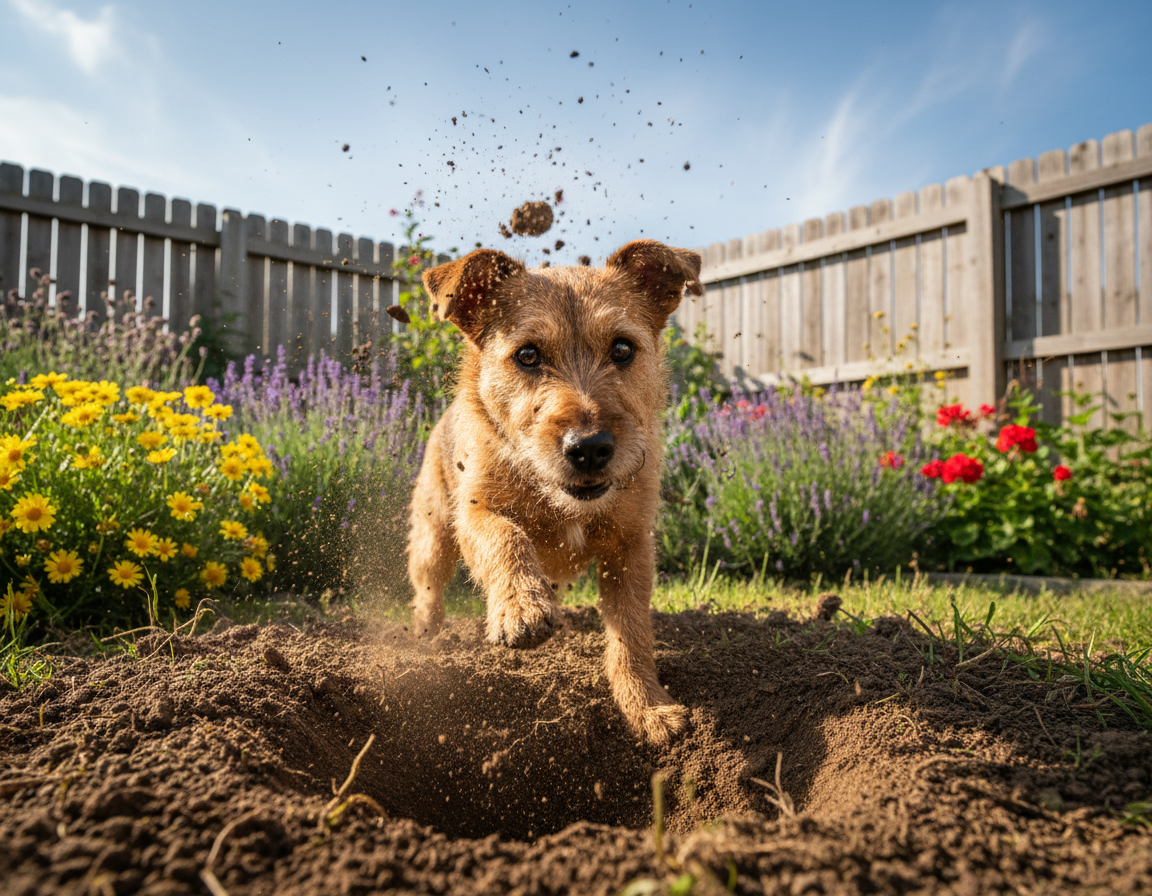
When left alone, dogs may show pacing or destructive actions tied to separation anxiety. Other common reactions include increased barking when unfamiliar people or animals appear near the home.
During loud events, a fear of sudden sounds (phones, falling objects, thunderstorms) can turn into long-lasting anxiety if the pet cannot recover.
- Maintain a predictable routine to help animals feel secure.
- Watch the eyes and body for early signs of overwhelm.
- Create a plan for unexpected visitors to reduce surprise reactions.
“Minimizing sudden changes is one of the best ways to keep a calm household.”
For separation-related issues, learn more about recognizing and managing separation anxiety so the home stays a safe place for everyone.
Practical Strategies for Managing Stressful Situations
Simple, repeatable steps can make tense moments in the home much easier to manage.
Creating a safe retreat: Provide a quiet crate or nook where a dog can decompress. Make it inviting with a blanket and a favorite toy. Teaching a pet to enter on cue helps them choose calm when a situation grows loud.
Implementing predictable routines
Routine builds confidence. Dr. Katherine Houpt recommends a steady daily plan so animals know what to expect.
- Exercise: A short walk or fetch session before a busy event helps release energy.
- White noise or music: Use sound to mask outside triggers and make the home feel steadier.
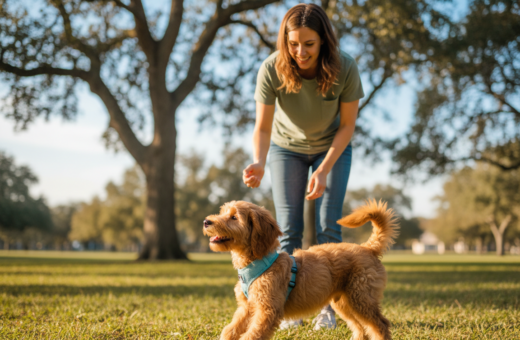
- Rewards for calm: Give a treat when the pet sits or offers a paw to reinforce control.
- Professional help: A trainer can design desensitization steps; a veterinarian can advise on supplements if signs persist.
“Consistency is the most effective way to help a pet feel secure.”
The Role of Professional Support and Training
Expert help gives owners practical tools to rebuild confidence and reduce recurring reactions.
Rewards-based training is central. Antonio Diaz, founder of Leader of the Pack K9 Training, stresses that positive reinforcement and treats help a companion learn new skills without increasing fear.
When signs persist or daily life suffers, consult a qualified trainer and a veterinarian. Dr. Katherine Houpt warns that by the time many owners reach a behaviorist, medication is often needed to manage severe anxiety.
Work with a trainer who uses humane methods. Avoid harsh tools like shock collars or yelling; these can make a dog stressed and worsen issues.
- Start with a checkup: A veterinarian rules out medical causes before training begins.
- Choose positive plans: A trainer builds confidence with gradual exposure and rewards.
- Invest time: Regular sessions prevent future problems and strengthen the bond.
“The way an owner interacts with a companion matters more than any single technique,”
Conclusion: Building a Calmer Life for Your Pet
A calm home grows from small, steady habits that owners practice each day. , These steps add up and help a pet feel safe.
Understanding unique needs and spotting early signs makes a big difference. Consistent training and predictable routines reduce anxiety and daily upset.
If a companion shows ongoing problems, seeking a veterinarian or a certified trainer is wise. Professional support helps tailor a plan that suits the household and improves quality of life.
Every small change matters. With patience and steady care, owners can create a low-stress home where dogs thrive and life becomes more peaceful.