Staring is a form of talk. Many pet owners wonder what a fixed gaze means. In short, there is no single explanation.
Dogs use a look to share moods, ask for things, or read our next move. Context matters: posture, tail, and the scene change the message. A soft gaze can be affection. A hard stare may signal stress.
This intro will help you spot cues in daily life — mealtime begging, walks, training, or meeting strangers. Read the body signals first to avoid misreading intent.
We’ll cover why pets look at people, common scenarios, types of stares, safe responses, and when a vet or trainer should be consulted. Use these tips to reduce problems and strengthen your bond with clear, calm reading of expressions.
Why Dogs Make Eye Contact With Humans
Family animals learn routines and then watch for the signals that start them.
Their watching is not random. Over time, dogs link simple actions—like grabbing a leash or filling a bowl—with events that follow.
They use gaze and eye contact to check what you will do next. This helps them predict walks, meals, or play. Watching reduces uncertainty and speeds learning.
Reading routines and cues
Dogs watch hands, posture, and objects because those cues often lead to rewards. A raised hand, a jingling bag, or a door opening becomes meaningful.
Two-way communication
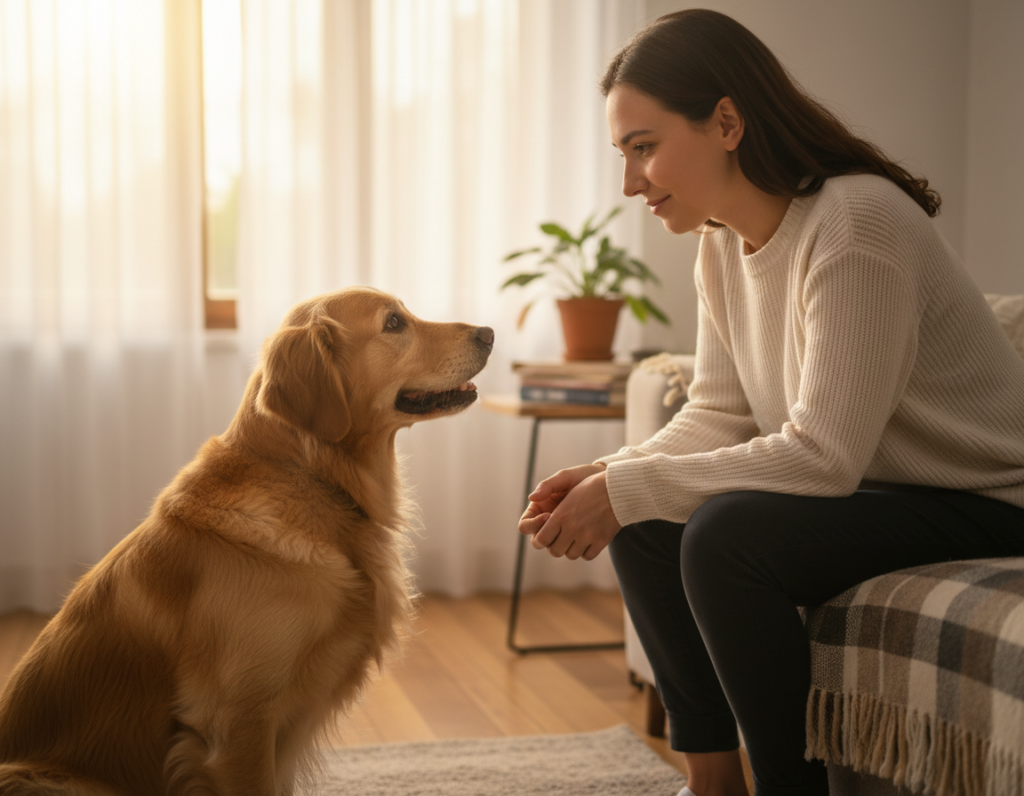
Your calm response matters. When you meet their look with steady, clear body language, the pet reads you and relaxes. Intentional eye contact can be a tool to give direction and build trust.
- They “check in” to predict what comes next.
- They watch leash and food prep because patterns repeat.
- Training reinforces looking when cues lead to treats.
- Consistent words and body signals reduce confusing stares.
| Situation | What the animal watches for | How owners can respond |
|---|---|---|
| Pre-walk | Leash, shoes, jingling | Use a cue word and reward calm focus |
| Mealtime | Food prep and bowls | Ignore begging, teach a wait cue, reward patience |
| Training | Hands, face, posture | Mark good responses and be consistent |
Dog eye contact meaning in everyday situations
When your pet fixes its look on you, it usually wants something specific.
Everyday stares fall into clear categories that owners can learn to read. The most common are connection, basic needs, food, and training anticipation.
Seeking attention, play, and affection from owners
A relaxed, soft look often asks for play or a cuddle. A loose body, wagging tail, and gentle gaze are signs of calm affection.
Requesting needs like potty breaks, walks, or help
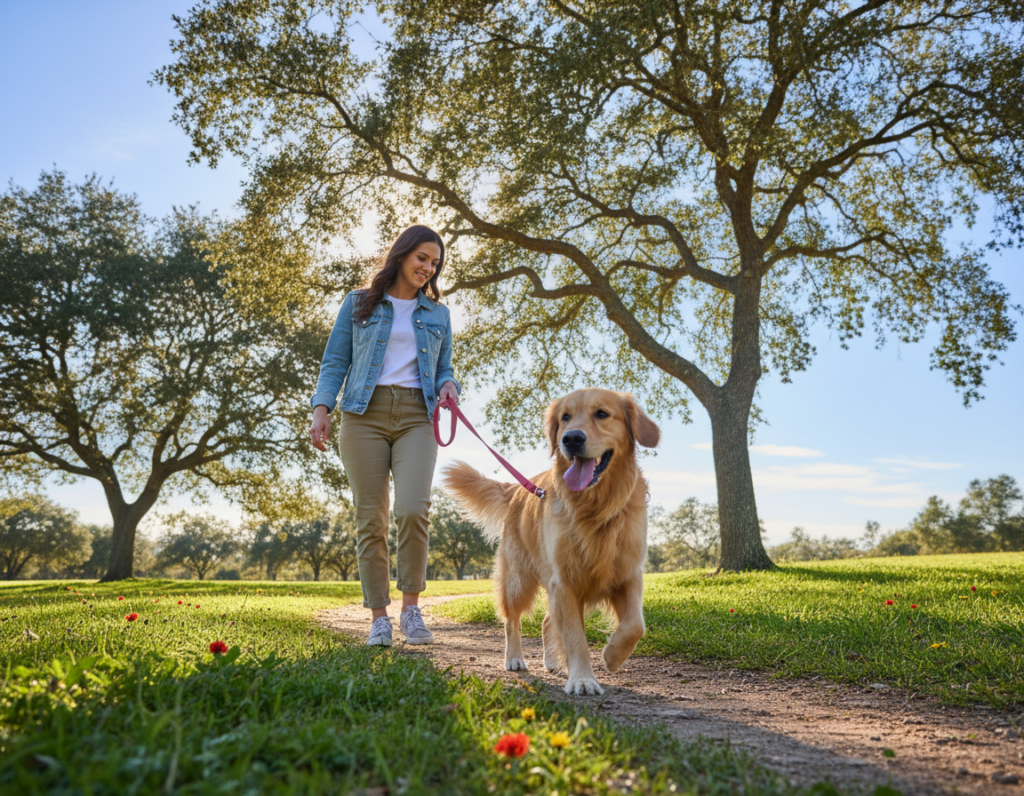
Need-based stares are practical. Sitting by the door or hovering near a leash are cues that a pup wants a walk or a break.
Food motivation and begging behavior at mealtime
Fixed watching at the table usually ties to food. If owners give scraps or react, the stare gets stronger over time.
Anticipation during training when treats and rewards are involved
During training, many dogs lock in visually when a treat pouch appears. They learn that attention predicts a reward.
Manipulation by reinforcement and how owners accidentally teach “the stare”
The reinforcement loop is simple: a single bite from the table or a quick treat for quiet staring teaches persistence. The result is repeated cues for the same reward.
Quick owner pivot: meet real needs, ignore or redirect begging, and reward calm alternatives instead.
| Everyday Situation | What the stare signals | Owner action | Outcome |
|---|---|---|---|
| At the door | Needs potty or walk | Check schedule; take outside if needed | Meets need; reduces persistent staring |
| At mealtime | Begging for food | Ignore, offer a mat or sit cue, reward patience | Fewer table stares; better manners |
| During training | Anticipation of treat | Use clear cues, reinforce correct focus | Stronger, reliable response to commands |
| Couch cuddles | Request for affection or play | Engage briefly or schedule playtime | Bonding without accidental reinforcement |
Types of dog stares and what their eyes may be communicating
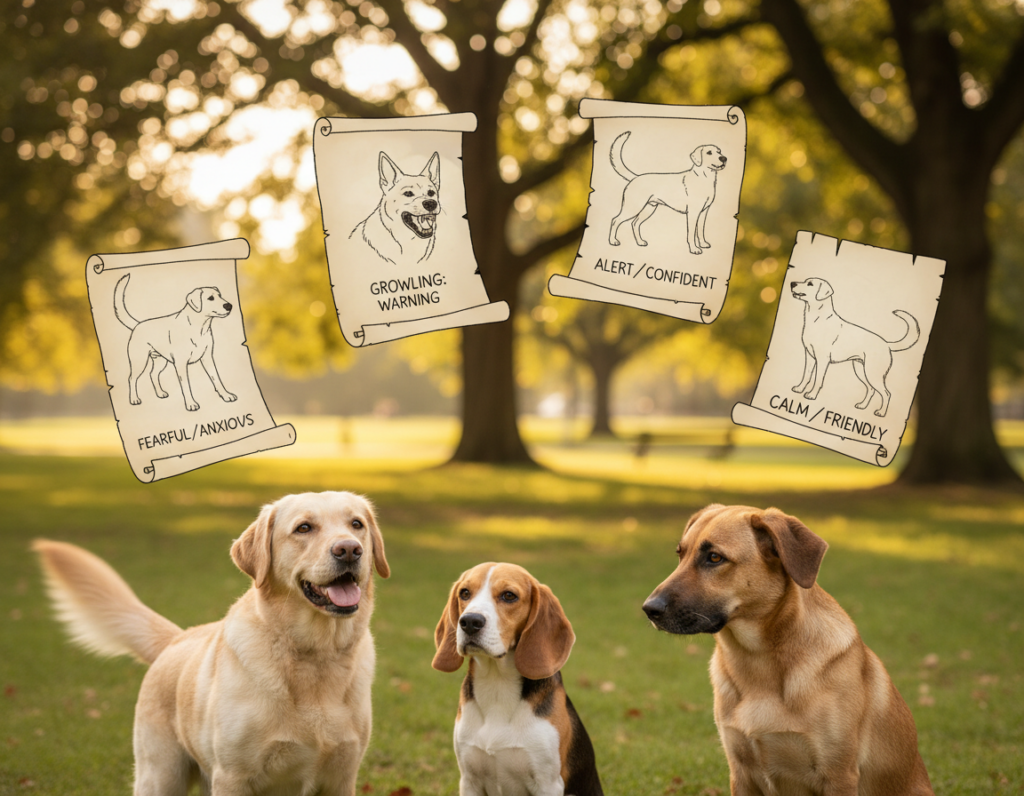
Small changes around the eyes reveal a range of feelings from calm to stressed. Read each gaze in the full body context to avoid misreading the signal.
Soft eyes and gentle gaze
Soft eyes show relaxed eyelids and a gentle gaze. This often appears after play, during cuddles, or in quiet moments near a trusted person.
Slow blinking as trust
Slow blinks are part of relaxed social language. A return blink from a person can reinforce trust and lower tension.
Whale eye and visible whites
Whale eye—when the whites show—is a clear sign of stress or discomfort. It often appears during grooming, nail trims, or when the animal wants an action to stop.
Hard stare as a warning
A hard stare with rigid posture and unblinking focus can precede conflict. Treat this look as a safety cue and create distance if it appears.
Side‑eye and avoidance gaze
Side‑eye or turning the head while still looking signals “give me space.” This is a de‑escalation tactic, not defiance.
Squinting or half‑closed lids
Squinting can mean contentment when the body is loose. It can also indicate pain if paired with rubbing, tension, or changes in behavior.
- Treat expressions as signals, not attitude.
- Respond early: lower intensity, give space, or redirect.
- Avoid staring contests with unfamiliar animals; direct stares can be read as threats.
| Look | What it often signals | Quick owner action |
|---|---|---|
| Soft gaze | Calmness and trust | Enjoy gentle interaction |
| Whale eye | Stress or discomfort | Stop, step back, check context |
| Hard stare | Warning or guarding | Create distance; avoid sudden moves |
How to read eye contact with full body language context
A single look gains clear meaning only when paired with posture and movement. Eyes alone are a small clue. The rest of the body completes the message.
Pair gaze with posture, tail position, and facial tension
Teach a simple whole-body rule: interpret a glance by checking posture, tail carriage, facial tension, and whether movement is loose or rigid.
Soft forehead and relaxed mouth usually mean ease. Tight lips, a wrinkled muzzle, or frozen stillness shift the interpretation toward stress.
Playful focus versus defensive focus — clear examples
Playful example: the dog locks eyes briefly, offers a play bow, has a loose wag, and bouncy movement. That combination equals an invitation.
Defensive example: a dog freezes, closes the mouth, stiffens the limbs, and stares. This set of signals suggests discomfort and a need for space.
Resource guarding cues and how to respond
Early resource signs include hovering over food or toys, turning away while still watching (whale eye), stillness, and staring when someone approaches.
Immediate steps: increase distance, stop reaching in, manage the environment, and consult a qualified trainer or behavior professional for a safe plan.
| Context | Body clues | Practical response |
|---|---|---|
| Play invitation | Loose posture, play bow, wagging tail | Engage briefly; join play or offer toy |
| Defensive focus | Stiff posture, closed mouth, fixed gaze | Create space; avoid sudden moves |
| Resource guarding | Hovering, stillness, watchful turns | Stop approach; manage items; seek pro help |
At-home tip: note what happens just before and just after the look. Patterns reveal what the animal is trying to request or protect.
The bond behind the gaze: trust, love, and oxytocin
A shared, calm gaze can trigger real biochemical changes between a person and their companion. Science shows that looking at one another can raise oxytocin levels in both parties, a hormone linked to closeness and comfort.
Mutual eye contact often works like a brief ritual. After a training win or during quiet cuddling, that steady attention can feel like a small social reward. Over time these moments help the bond and build reliable responses.
How emotions and expressions mirror across species
Companions watch human faces and match moods. A calm person usually calms a nervous pet. This emotional mirroring supports better behavior and stronger ties.
When to welcome direct gaze — and when to avoid it
- Welcome: relaxed cuddles, after praise, or when the animal offers soft looks.
- Risky: prolonged staring at unfamiliar animals; it can read as a challenge.
- Safer approach: turn slightly, soften your face, and avoid fixed stares with strangers.
| Situation | Effect | Action |
|---|---|---|
| Shared calm gaze | Boosts oxytocin and bond | Enjoy brief, mutual moments |
| Staring at strangers | May raise stress | Create space; avoid direct stare |
Balance matters: respectful attention should be optional for the animal. For more on signals of love and trust, see love and trust signals.
What to do when your dog stares
Before reacting to a stare, run through three practical steps to find what the animal needs. Start with a quick check for real needs, then choose to engage, redirect, or ignore.
Respond based on what your pet is asking for
First check basics: potty, water, pain, or a trigger nearby. Notice orientation — is the pup facing the door, bowl, or leash? Time of day often explains requests.
Don’t guess. Look at posture and surroundings first. That reduces mistaken responses and improves owner decisions.
Teach an alternative communication behavior
If a stare earns rewards, it will repeat. Replace that pattern by teaching clear cues: ring a potty bell, go to a mat during meals, bring a toy to start play, or sit to ask for attention.
Remove rewards for staring and reward the new behavior. Over time most pups will try other ways to ask for what they want.
Use “watch me” to build focus and better training
Train brief eye contact with short sessions, high-value reinforcement, and precise timing. Say the cue, reward the moment they look, then release.
This form of dog training improves response around distractions, speeds learning, and makes walks safer. Safety note: never force a look in scary situations — increase distance and reduce pressure instead.
If staring comes with freezing, guarding, or growling, seek help from a qualified trainer or veterinarian. For background on why staring happens, see why does my dog stare.
Conclusion
Clear signals come when you read a glance together with posture and nearby cues. Most dogs blend affection and attention, but the full scene—face, body, and situation—reveals the actual reasons behind a look.
Common scenarios include routine monitoring, bids for attention or food, requests for a walk, and training anticipation. Notice what happens just before and after the stare to spot patterns you may be reinforcing.
Soft expressions with relaxed posture usually signal trust and bonding. A hard look with stiffness or guarding cues calls for space and professional guidance.
Watch patterns for a week, respond to needs, teach alternatives, and use cues like “watch me” to channel focus. If staring changes suddenly or seems linked to pain, consult your veterinarian or a certified trainer.