Understanding how your pet rests helps you spot normal patterns and possible problems. Adult animals average about 12–14 hours of sleep per day, while puppies may need 18–20 hours. Many spend roughly half the day asleep, about 30% awake but relaxed, and around 20% active.
What this guide will do: define everyday sleep time, naps versus overnight rest, and bedtime routines. You will learn how to recognize normal dog sleep, track changes, and set up a calmer home sleep setup with simple tips.
Rest differs from humans because much of a canine’s sleep is fragmented and includes short dozes that still count as healthy rest. Sleeping positions can show comfort, cooling, stress, or health issues worth watching.
Note: this article is informational, not diagnostic. If you see sudden shifts in sleep or breathing, contact a veterinarian. Small observations and easy logging will help protect joint comfort, anxiety levels, and daytime energy for your furry friend.
What Normal Dog Sleep Looks Like Today
Many pets split the 24-hour cycle into dozing, relaxed wakefulness, and active stretches. Trainers often describe a typical day as about 50% asleep, 30% awake but relaxed, and 20% active.
Average hours: adult animals vs. puppies
Adult animals average roughly 12–14 hours of rest per day. Young pups need more—about 18–20 hours—which is why puppies can crash after a short, intense play session and then nap for a long time.
Why some pets sleep more: age, size, and daily activity
Age makes a big difference: seniors often rest more. Larger breeds tend to nap longer, while working breeds stay alert if they get regular tasks. High exercise and mental enrichment lead to deeper, more satisfying rest. Bored or under-stimulated animals may doze a lot without true restorative sleep.
- Range is normal: individual needs vary beyond simple age or breed labels.
- Compare, don’t panic: use the 50/30/20 split as a baseline for a typical day.
- Checkpoint: if your pet shows a sudden change in rest or energy, track hours and patterns; later sections explain red flags and logging.
For more detailed guidance on patterns and signs to watch, see this concise resource: your pet’s sleep guide.
How Dog Sleep Cycles Work
Canine sleep unfolds in short cycles, shifting quickly from light rest to deeper stages.
Slow-wave sleep comes first. Breathing slows, blood pressure drops, and heart rate eases as the body rests.
From slow-wave sleep to rapid eye movement (REM)
About 10 minutes after dozing, many pets move into rapid eye movement. REM is when dreaming and muscle twitches are common.
What REM looks like: eyes tracking under lids, small limb kicks, and soft whimpers. Paw movements often happen during deeper REM episodes.
Why dogs get less REM than humans and need more total sleep
Dogs spend roughly 10% of total rest in REM. By contrast, humans may spend up to 25% in REM. Because naps are short and fragmented, total daily sleep rises to make up for less deep dreaming.
Practical takeaway: spotting eye movement or a twitch about 10–20 minutes after dozing is normal. Frequent naps are usually just the way their sleep is structured, not a sign of distress. If you see prolonged breathing trouble or sudden changes, consult a vet.
How to Track Your Dog Sleeping Habits and Spot Changes
Tracking rest need not be difficult: a few notes each day show patterns over time. Use a simple weekly log to record total hours, nap timing, overnight wakes, and any abrupt changes.
What to include in a log:
- Total sleep time per 24 hours (approximate).
- Nap start and end times, and any long night wakings.
- Favorite sleeping positions and any shifts in position.
- Noted behaviors: restlessness, whining, panting, or confusion.
When a shift is a sign
Compare changes to recent life events. New exercise, travel, or schedule shifts often explain short-term variation.
If sleep rises sharply while play and appetite drop, this can be a medical sign. In those cases, check with a veterinarian.
Red flags to take seriously
Watch for sudden lethargy, confusion, extreme night restlessness, or sleep that looks distressing rather than restful. Obsessive burrowing with panting or crying can point to anxiety.
| Observed Change | Likely Cause | What to Log | When to Call a Vet |
|---|---|---|---|
| More total sleep, low interest in play | Medical (e.g., thyroid, diabetes) or depression | Hours, appetite, activity | If lasting >48–72 hours or worsening |
| New night restlessness | Stress, noise, separation | Night awakenings, triggers | If accompanied by panting or crying |
| Change in position with stiffness | Pain, joint issue | Positions, mobility after rest | If limp or reluctant to move |
Tip: Short videos and daily notes help a vet interpret trends. Tracking is not about perfection; consistent, simple entries reveal real issues over time.
Dog Sleep Schedule Basics for a Smoother Day and Night
Simple timing choices for wake-up, potty, and meals often fix the most common night issues. Build a routine that fits your life: wake time, a first potty, breakfast, exercise, calm-down, and bedtime. Keep each step consistent so your pet knows what to expect.
When sleeping in works: adult dogs that stay dry overnight and show steady behavior can shift wake time occasionally without harm. If accidents or stress start, the change probably backfired.
Bathroom timing matters most. Trainers say 95% of late-sleep talks are really about overnight potty needs. Late water or a late meal will push midnight or early-morning breaks.
| Routine Element | Why it Helps | Quick Tip |
|---|---|---|
| Wake time | Sets circadian rhythm | Same time within 30 minutes |
| Last potty | Reduces accidents | Take out 10–20 minutes before bed |
| Dinner timing | Controls overnight needs | Move meal earlier if night waking occurs |
| Calm-down window | Improves sleep quality | Quiet 30–60 minutes before lights out |
Troubleshoot method: change one variable at a time—wake-up, last potty, or dinner time. Track results for a week. Consistency, not rigidity, creates harmony for both dogs and people at home.
Putting Puppies on a Sleep Routine That Supports Potty Training
Young puppies need predictable rest and short, quiet breaks to learn overnight control. A clear evening routine and scheduled naps make potty training more reliable.
The month-plus-one guideline for overnight hours
Use the “month-plus-one” rule: the number of overnight hours a puppy can hold equals its age in months plus one. For example, a 5-month-old puppy can often sleep about 6 hours straight.
Why puppies need 18–20 hours and frequent breaks
Puppies burn energy fast and need roughly 18–20 hours of sleep per day. Plenty of rest prevents overtired bursts and helps learning and calm daytime behavior.
How to loosen structure as your puppy matures
As a young dog reaches 9–10 months, most can extend overnight stretches to 10–12 hours. Gradually reduce scheduled naps and move to flexible weekends once accidents stop.
- Step-by-step routine: short play, potty, calm 30-minute wind-down, bed.
- Overnight breaks: quick leash potty, no games, return to bed quietly.
- Troubleshoot: crying = check age-based needs; early waking often means earlier last water or potty.
| Age (months) | Suggested overnight hours | Action |
|---|---|---|
| 2–3 | 3–4 hours | Set alarms for quiet potty trips |
| 4–6 | 5–7 hours | Stretch night gradually; keep calm returns |
| 9–10+ | 10–12 hours | Loosen naps; allow more weekend flexibility |
Quick tip: consistency beats perfection—short, calm responses to night calls teach independence and reduce long-term issues.
What Your Dog’s Sleep Position Can Tell You
Sleep position gives useful clues about comfort, alertness, and health without serving as a full diagnosis.
“Most positions reflect preference in the moment, but can offer clues,” said Dr. Patrik Holmboe of Cooper Pet Care.
Side sleeping
Side rests usually mean deep, secure rest. When the belly shows, your pet feels safe in the family space.
Lion (sphinx) pose
This upright doze is a transitional rest. It keeps the animal ready to wake quickly and is common during short naps.
Superman pose
Sprawling on the belly with legs out cools the body and signals quick-to-play energy. Some breeds, like French Bulldogs and Pugs, favor this posture.
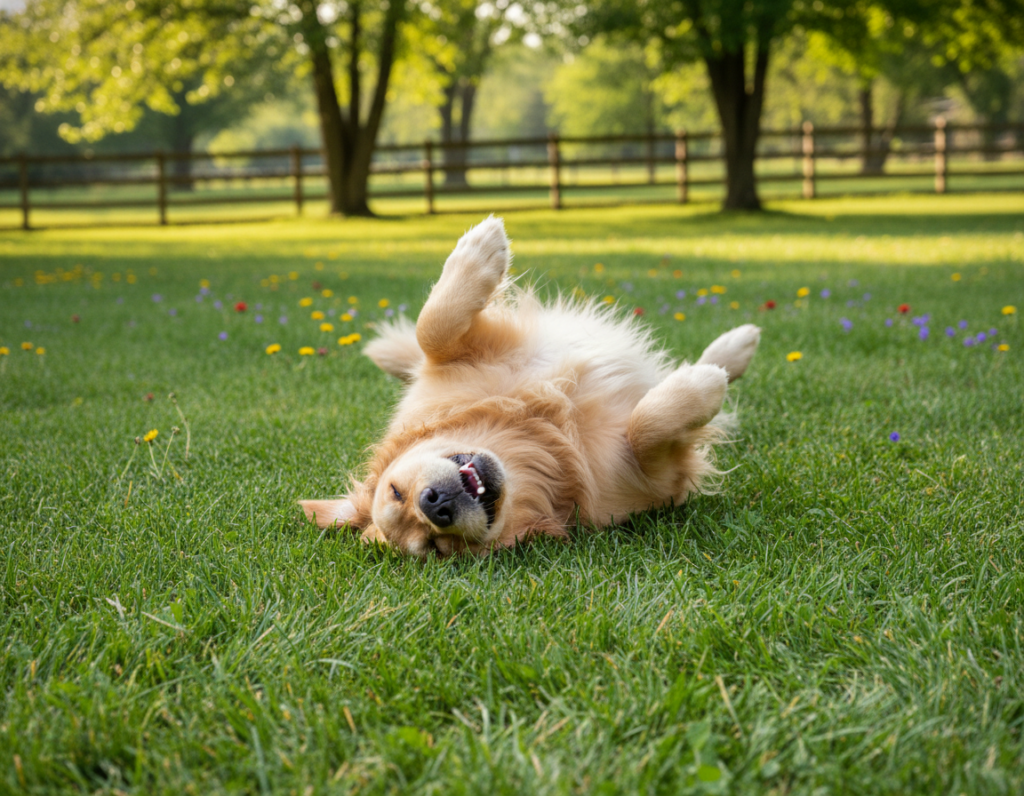
Belly-up
Exposing the belly is a trust sign and a cooling tactic. Older animals may stop this if back pressure or stiffness becomes an issue.
Donut (curled up)
Curled positions conserve heat and soothe the body. A sudden switch to tight curling can be a sign of illness or chill.
Cuddle bug & back-to-back
Close contact shows bonding and pack comfort. “Velcro” tendencies often appear as constant proximity or follow-the-family behavior.
Head propped up
Resting with the head elevated can be pure comfort. If this is new or paired with noisy breathing, watch for possible breathing concerns.
Burrowing and denning
Some breeds instinctively dig or nest. For small, senior, or flat-faced pets, use safe blankets and avoid heavy covers. Obsessive burrowing with panting can hint at anxiety.
- Read positions as context clues, not fixed traits.
- Note sudden shifts and log any new stiffness or unusual behavior.
- Adjust bedding and temperature to match your furry friend’s preferred position.
How to Choose the Right Dog Bed for Sleep Positions and Joint Health
Comfort begins with fit: measure how your pet stretches or curls when at rest. That quick check tells you whether a firm orthopedic lounger, a soft bolster, or an elevated frame will work best.
Orthopedic support for side sleepers and belly-up sleepers
Side and belly-up positions need pressure relief. Choose memory foam or high-density foam that cushions hips, shoulders, and the spine.
Why it matters: the right firmness reduces daily pressure and can ease joint stiffness over time.
Bolsters and donut beds for curlers and anxious sleepers
Curled sleepers often prefer a donut or bolster style. Raised edges create a sense of safety and can lower anxiety during rest.
Cooling surfaces for heat-seeking sprawlers
For animals that sprawl, a cooling pad or gel layer helps regulate temperature and prevents overheating on warm days.
Elevated beds for pets that move between indoors and outdoors
Elevated designs improve airflow, dry quickly, and keep pests away. They work well for animals that run hot or go in and out frequently.
Fit, sizing, and health guidance
Measure in the pet’s usual position—full stretch for side sleepers, tight diameter for curlers—so the bed supports the whole body.
Practical tip: if joint pain or stiffness is present, prioritize a supportive mattress and discuss options with your veterinarian.
For a deeper guide to picking styles and materials, see this bed selection resource.
Set Up a Comfortable Sleep Environment at Home
A predictable, quiet spot at home helps most pets settle faster and rest more deeply.
Pick the right place:
Quiet, low-traffic, and consistent
Place the bed in a calm corner away from doors and busy hallways. A consistent place helps establish clear sleep patterns.
Many dogs will return to the same spot during both day and night when they feel safe.
Temperature and airflow
Keep your friend from overheating or getting cold
Short-haired animals may need extra blankets in winter. In summer, allow access to cool floors or a ventilated area to avoid excess heat.
Use a fan or open window for gentle airflow, but avoid direct drafts on the bed.
Light, noise, and household rhythms
Minimize disturbances to improve sleep quality
Lower TV volume and dim lights for a 30–60 minute wind-down before night. Even low-level noise can cause pacing or frequent repositioning.
A white-noise machine or fan can mask sudden sounds and support steadier rest.
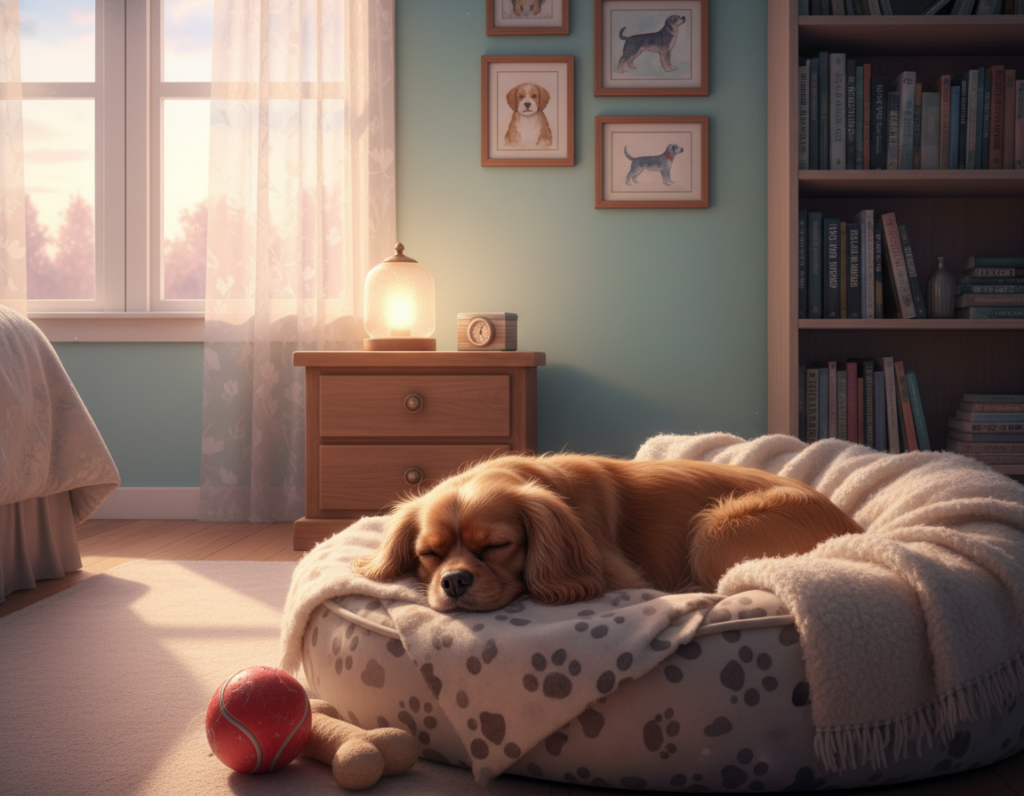
“A stable sleep spot reduces night wakings and helps your companion learn daily routines.”
Simple upgrades: washable bedding, a supportive bed, and a steady location make a big difference.
| Test item | Action | What to watch for (1 week) |
|---|---|---|
| Place | Move bed to low-traffic corner | Less pacing, more continuous rest |
| Temperature | Adjust blankets or cooling surface | Fewer sprawls on tile or shivering |
| Noise/Light | Dim lights; use white noise | Fewer startles, fewer short wakes |
Practical tip: change one variable at a time and track results. Small steps create steady improvements in sleep patterns and day-to-day calm.
Common Dog Sleep Behaviors and What They Mean
Watching small movements during a nap can tell you whether rest is deep or just light dozing. Many behaviors are normal, but some are worth noting as a potential sign of discomfort.
Twitching, paw kicks, and dreaming during REM
During REM, a pet may twitch, kick a paw, flick an ear, or make soft noises. These actions usually mean the brain is processing day events and dreaming.
Normal cues: short twitches, small limb kicks, quiet whimpers. Let these episodes continue unless vocalizations become frantic or long-lasting.
Whimpering or barking: when to gently wake your dog
If sounds seem distressed—sharp, prolonged, or paired with tense breathing—gently wake them. A calm touch and soft voice usually stop panic and restore steady breathing.
When to consult a vet: repeated panicked night vocalizations or changed breathing that lasts more than a few minutes.
Dozing and popping awake: boredom vs. true rest
Short dozes during the day often reflect low stimulation rather than restorative sleep. Pets may pop awake quickly and appear alert without getting deep REM.
To improve quality of night rest, add daytime enrichment and a calm wind-down before bed. Less fragmentation leads to better dog sleep and more stable energy the next day.
| Behavior | Likely Meaning | Owner Action |
|---|---|---|
| Twitches, paw kicks | Normal REM dreaming | Observe; do not disturb |
| Soft whimpering | Dreaming or mild discomfort | Check briefly; wake gently if panicked |
| Sudden barking/crying | Possible distress or nightmare | Gently wake; monitor breathing |
| Frequent short dozes | Boredom or fragmented rest | Increase daytime activity; set calm routine |
Breathing, Snoring, and When to Call a Veterinarian
Nighttime breathing noises range from harmless snorts to signs of a serious airway problem. Steady, rhythmic snoring often needs no action.
What sounds are normal? Short, soft snores or gentle snorts during deep rest are common. These noises share a steady pattern and do not interrupt sleep.
Normal snoring vs. sleep apnea
Warning patterns include long pauses, gasping, or abrupt “stop then start” breathing. These are possible sleep apnea signs and need prompt attention.
Why flat-faced breeds are at higher risk
Brachycephalic breeds have shorter airways and narrower nostrils. This anatomy can limit airflow during rest and increase noisy breathing or labored inhalation.
When to see a veterinarian
- Repeated pauses or choking sounds during the night.
- Gasping, blue gums, or rapid breathing that disrupts rest.
- New, worsening snoring with reduced activity or poor appetite.
“Record audio or video at night to show your clinician exact episodes — it helps speed diagnosis and treatment.”
What to do now: record night episodes, note weight and allergy signs, and schedule a vet visit if you hear pauses or sustained labored breathing. Treatments range from weight management and allergy control to medication or surgery depending on the underlying health issue.
When Sleep Signals a Bigger Health or Anxiety Issue
Changes in night or daytime rest can be one of the earliest hints of a medical or behavioral problem. Watch for a clear shift in total hours, steady low engagement, or new restlessness that did not exist before.
Excessive rest and medical causes to rule out
What to notice: sleeping far more than usual, low interest in play, or major drops in energy across the day.
Possible medical causes: depression, diabetes, hypothyroidism, sensory loss, or pain. These conditions can cause longer naps and slower recovery after activity.
Action: if patterns shift suddenly or persist for 48–72 hours, consult a veterinarian for testing and treatment options.
Anxiety cues and related behaviors
Obsessive burrowing, persistent panting, crying, pacing, or an inability to settle can be signs of anxiety. These behaviors often happen even when the animal seems tired.
Address anxiety by noting triggers, improving routine predictability, and discussing behavioral or medical support with your clinician.
Seizures versus dreaming: what to look for and how to stay safe
Dreaming usually shows brief twitches, soft noises, and quick recovery. Seizures often involve full-body movement, drooling, or loss of bladder or bowel control.
“Record video when safe, time the episode, and keep the area clear; never put your hand in the mouth.”
During a seizure: clear nearby objects, note start/end times, take video if you can, and protect without touching the mouth. Afterward, contact your veterinarian immediately.
| Observed pattern | Likely concern | Immediate action |
|---|---|---|
| Much more rest, low interaction | Medical (thyroid, diabetes, depression) | Log hours, appetite, activity; vet visit within 48–72 hours |
| Obsessive burrowing with panting or crying | Anxiety or stress | Note triggers, stabilize routine, discuss behavior plan |
| Full-body jerks, drooling, or loss of control | Seizure | Time episode, clear space, record video, call veterinarian |
Reassurance: many issues are treatable. Clear notes, short videos, and prompt veterinary evaluation speed correct diagnosis and help restore normal patterns.
Conclusion
Conclusion: This short guide gives you the tools to read rest signals and act with confidence. You now know what normal rest looks like, why pets sleep differently than people, and how short sleep cycles shape daily energy.
Practical steps: track sleep patterns, note any change in position (the side pose often means comfort), and tweak schedule basics—potty timing and meal times—before assuming a medical issue.
Invest in comfort where it counts: a supportive bed, a calm, consistent spot, and a simple evening routine that helps the whole family rest better.
If something feels off, document changes, prioritize safety, and seek professional help when rest or breathing shifts suddenly. Small records and videos speed accurate care.