Start with clear rules at home so your new dog learns what areas and furniture are off-limits. Simple, consistent cues help every breed feel secure and know its spot in the family.
Jagger, a three-year-old Goldendoodle, and Zeppelin, a one-year-old Great Dane, both settled faster when owners used kind, predictable methods. Positive training avoids force and builds trust.
When you teach room rules and a comfy place to rest, you reduce unwanted behavior later. Spend short, regular sessions so every family member follows the same process and timing.
Clear expectations made from day one create calm homes with fewer conflicts between a baby, people, and pets. With steady practice, your dog learns limits and enjoys safe freedom in the house.
The Importance of Setting Puppy Boundaries Early
Establishing predictable rules right away makes it easier for dogs to respect family space. Clear limits prevent common issues like jumping on furniture and invading personal areas. Predictability helps a dog feel safe and reduces confusion during growth phases.
Pat Hastings has worked with dogs since 1959 and stresses socialization plus firm structure. Consistent training helps a puppy learn self-control before adolescence. When owners begin with steady cues, they avoid long standoffs with an older dog that never learned limits.
- Prevents bad habits and unwanted behavior.
- Adapts to each breed while keeping household rules clear.
- Builds confidence so dogs handle social situations without fear.
Perseverance pays off. Regular practice speeds progress and saves owners from correcting deep-rooted problems later. Early guidance is a proactive step toward a calm, cooperative home.
Establishing Your Home as a Learning Environment
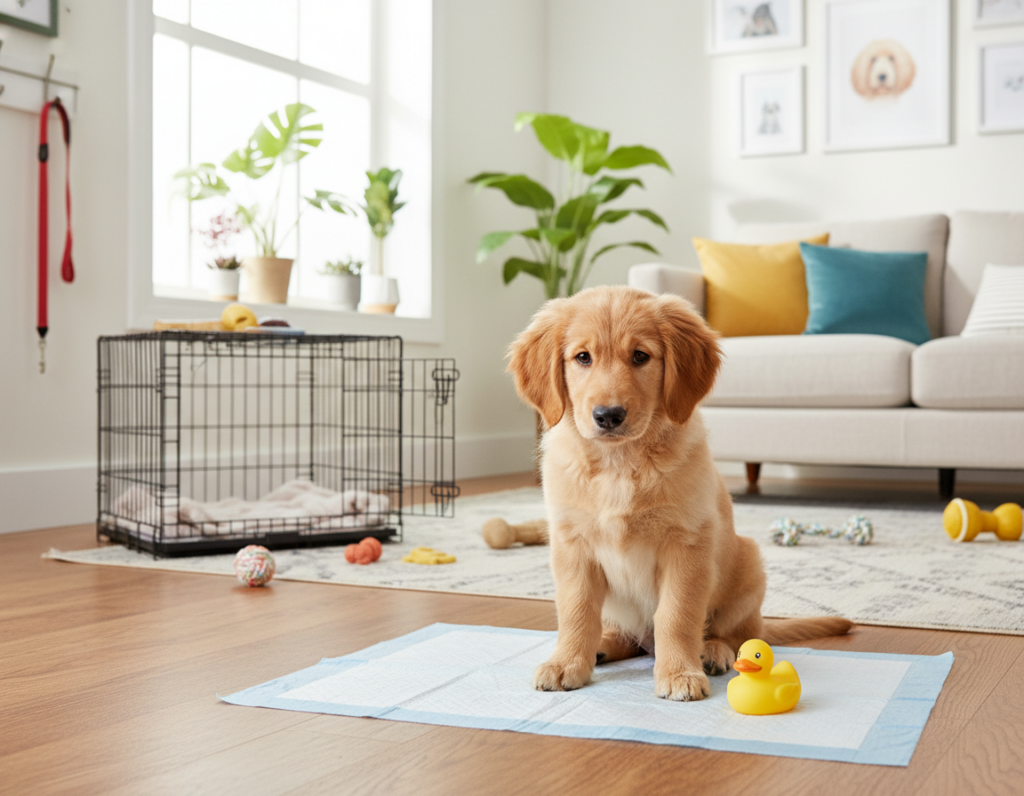
Turn your home into a calm learning zone where each dog knows which areas are for activity and which are for rest. Small, repeatable habits make it easier for pets to understand limits and feel safe.
Socialization Opportunities
Public outings after vaccinations matter. Visiting pet-friendly stores like Lowe’s or Petco gives your puppy a chance to meet people, hear noises, and practice polite behavior.
Use a leash and short, positive sessions. Owners should avoid dog parks until shots are complete to protect health.
Creating Visual Barriers
Physical tools help reinforce rules. Baby gates and simple gates carve out clear areas and show a dog where it may spend time.
- Define space: Gates mark off rooms and off-limit areas.
- Use a leash: During training steps, a leash keeps control while teaching place and manners.
- Designate beds: Every breed benefits from its own mat or bed as a calm spot.
“Consistent practice in varied settings builds confidence and makes learning stick.”
Essential Techniques for Teaching Personal Space
A single, consistent word can transform confusing moments into clear training wins for your dog. Marker words speed learning by pinning a precise instant to reward. That clarity helps dogs of any breed grasp what you want.
Using Marker Words for Clarity
Choose a short marker like “spot” or “place.” Use it the same way every time so your dog links the sound to the exact action.
- Start with short sessions. One clear step per session keeps your puppy focused.
- Reward promptly. A marker word + treat tells the dog which behavior earned praise.
- Teach a dog stay by combining a marker, a command, and gentle release cues.
- Every breed can learn to respect personal space with consistent dog training and positive reinforcement.
“The marker lets you capture the moment your dog does the right thing.”
Repeat daily in varied rooms so the boundary becomes reliable. Over time, the spot will feel natural and good behavior will stick.
Managing Access to Restricted Rooms and Furniture
Limiting where a dog may go helps owners reduce risks and speed training progress. Managing access protects your family and keeps furniture clean. Use steady, short training steps so the rule becomes routine.
Defining Off-Limits Zones
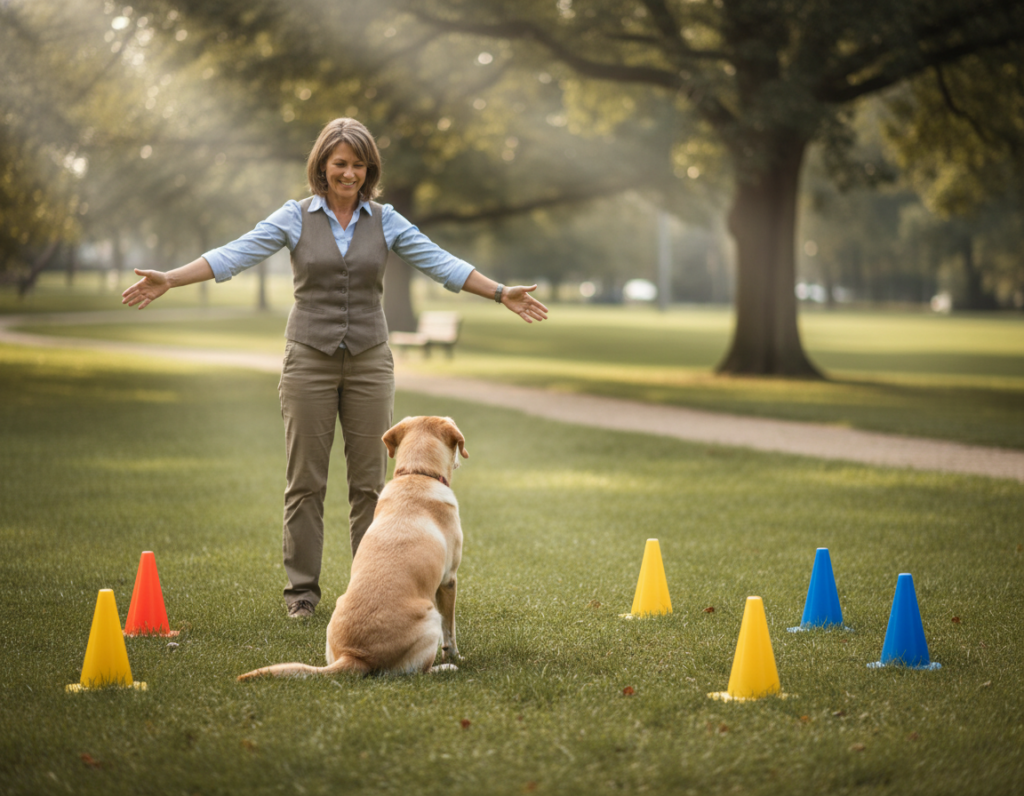
Start by choosing clear off-limit areas like the kitchen or a baby’s play mat. Physical gates or closed doors create an obvious boundary. Teach a dog to stay behind the gate, then reward the behavior.
Managing Multi-Dog Households
Work with each dog separately before combining practice. One-on-one sessions help each pet learn the step-by-step process without competition.
- Train alone: Practice the dog stay in short sessions with a leash.
- Combine later: Bring dogs together only after each masters its spot.
- Safety first: Never leave dogs unsupervised with small children or a baby.
Reinforcing Boundaries with Treats
High-value rewards speed learning. Full Moon Training Treats worked well for Harley, Charlie, and many others when reinforcing the rule to avoid furniture.
“By consistently rewarding your dog for staying behind a boundary, you create a clear understanding of the rules.”
Do not use force to keep a dog off furniture. Teach a dog to go to its bed or a designated spot and reward that behavior instead. Over time, reinforcement makes the boundary reliable and keeps your home calm.
Mental Conditioning and Building Trust
A calm, consistent approach trains a dog to rely on your judgment in stressful moments.
Build trust by acting as a steady leader. Give clear guidance and simple choices so a puppy learns what to do without confusion.
Avoid saying “it’s OK” when your pet is scared or nursing a minor injury. That phrase can reinforce fear rather than help the animal work through it.
- Encourage problem-solving: Let a dog think — teach small tasks like placing front feet on a car edge to boost confidence.
- Breed-neutral benefits: Every breed gains from mental conditioning and short training sessions that reward progress.
- Make each step count: Success at small stages teaches trust and steady behavior over time.
Training should feel collaborative. You and your dog work as a team to face new sights and sounds.
“A well-conditioned dog stays calm and responsive, even when the world becomes confusing.”
For focused, short lessons that reinforce thinking and attention, try practical training sessions that keep puppies focused.
Navigating Developmental Challenges and Independence
Around four months of age, many dogs test limits and act more independent than before.
This phase can feel like a setback, but it is normal. Expect sudden forgetfulness of commands and brief temper tantrums as a dog explores its role in the family.
Handling Adolescent Temperament
Patience and consistency are your best tools. Keep training short and frequent so learning continues despite rebellious moments.
Continue socialization and focused sessions. Use safe leash work and supervised interactions with children and other pets to protect everyone.
- Remain calm and smarter than your dog without harsh methods.
- Study breed traits to anticipate specific challenges.
- View every moment as a chance for positive learning.
For structure guidance, consider resources like the Puppy Puzzle DVD by Pat and Bob Hastings. The process is trying, but steady effort leads to a confident adult and reliable behavior.
“Perseverance during adolescence builds a well-mannered companion.”
Conclusion
A steady plan at home makes lessons easier to remember for any dog.
Use consistent, positive reinforcement and clear cues to encourage good habits. Short, daily practice builds confidence and reduces problem behaviors over time.
Patience matters. Each dog learns at its own pace, so remain calm and keep sessions brief. Your ongoing commitment fosters a deep, trusting bond.
Investing a little time now prevents issues later and creates a safer, more peaceful household for everyone. With mental conditioning and kind guidance, you can navigate developmental challenges and enjoy many happy years together.