Goal: This short guide helps readers spot clear dog trust signs that show a pet feels safe, comfortable, and secure with an owner.
Expectations: Think of a listicle with context. Each item needs explanation because animals and people interpret behavior differently. We focus on practical, everyday signals you can watch at home or on walks.
Why this matters: feeling secure shapes handling, training progress, social behavior, and how a companion moves through the home. Read the whole animal, not an isolated cue.
Preview: you’ll learn about relaxed body language, eye contact, sleep and routines, mood effects, touch and consent, tail and play cues, secure-base behaviors, and a few surprising signs.
Keep in mind the same action can mean different things depending on history, temperament, environment, or stress level. This guide avoids tests that pressure an animal.
Safety note: if you see growling, stiffening, or guarding, assume discomfort and get help rather than forcing closeness. Building confidence is a process; later sections cover steps and when to involve a trainer or veterinarian.
– Spot relaxed signals, routines, and consent-based touch.
– Context matters: history and stress change meaning.
– Seek help for guarding or stiff behavior; trust grows over time.
Why “Trust” Looks Different for Dogs Than Humans
Canine comfort shows up as calm routines and clear body cues, not the verbal assurances humans expect.
Animals communicate with language made of posture, eye contact, and patterns over time. A calm meal, steady walks, and relaxed rest are evidence a pet feels safe.
A single action rarely tells the whole story. Context matters: the same relaxed face in a quiet living room can mean calm, while in a noisy park it may be brief relief. History changes meaning too; rescue animals often give mixed messages while they acclimate.
Temperament affects expression. Some animals stay a few feet away; others shadow you constantly. Both styles can reflect genuine trust.
“Pets rely on routines for normalcy.” — Vicki Stevens, Humane World for Animals via Reader’s Digest
Look for clusters of cues—loose body, steady eating, and regular eye contact—rather than one isolated moment. That approach helps you better know dog and avoid mistaking stress for affection.
- Read patterns, not single acts.
- Weigh environment, history, and temperament together.
- Use clusters of signals to judge comfort and safety.
Dog Trust Signs You Can See in Relaxed Body Language
A calm posture often says more than a wagging tail. Look at the whole animal, not a single moment. Small, relaxed cues together show comfort and lower anxiety.
Loose posture and face: Soft facial muscles, loose lips, and a wiggly stance usually mean relaxed muscles. A natural tail carriage—neutral and flowing rather than high and rigid or tucked—also indicates ease. Tail shape varies by breed, so compare to that animal’s normal.
Eyes and gaze: Brief, relaxed glances with soft surrounding muscles are far different from a fixed stare or full avoidance. Those gentle looks often show the animal feels safe in the moment.
Breathing and movement: Even breathing and a smooth, elastic gait point to comfort. Sudden stiffness, pacing, or shallow panting can signal rising pressure or anxiety.
- Quick whole-body scan: face → eyes → ears → shoulders/back → tail → feet/movement.
- Note missed stress cues: lip-licks, yawns (not sleepy), “whale eye,” or a tightly closed mouth.
- Keep a short journal tracking what precedes relaxed vs. tense behaviors to build better routines.
| Relaxed Body | Typical Markers | What to Do |
|---|---|---|
| Loose posture | Soft muscles, easy stance, loose lips | Offer calm presence and normal routine |
| Soft eye contact | Brief glances, relaxed eyelids | Return gentle attention, avoid forcing gaze |
| Even breathing & smooth movement | Regular breaths, elastic gait | Keep environment steady; note triggers |
| Stress cues | Lip-licking, yawning, stiffness, pacing | Reduce pressure; give space and choice |
Eye Contact and Bonding: What the Science Says About Oxytocin
Looking into each other’s eyes does more than feel warm — it can change hormones. A University of Japan study led by Takefumi Kikusui found that mutual gazing for about 30 minutes raised oxytocin in both animals and people. That hormone helps form social bonds and calm responses.
How mutual gazing can increase oxytocin in dogs and people
In plain terms: steady, relaxed eye contact can help reinforce the human–animal bond. For owners, calm contact is one useful cue that the animal is happy to engage socially.
When staring can mean something else (and how to read the rest of the body)
Note: not every look is affectionate. Expert Kenny Lamberti warns a fixed, hard stare often accompanies stiff posture or raised hackles and can signal guarding or conflict.
- If eyes are soft and the body is loose → likely comfort.
- If eyes are hard and the body is stiff → give space and reduce pressure.
- Some animals prefer proximity or relaxed rest instead of frequent eye contact; patterns matter more than one moment.
“Mutual gaze can be part of how people and companions reinforce bonding.”
| Behavior | What it Suggests | Action for Owner |
|---|---|---|
| Soft gaze + relaxed body | Comfort and social engagement | Reward calm check-ins; gentle praise |
| Brief glance after noise | Secure-base check or reassurance | Offer calm presence; avoid intense focus |
| Hard stare + stiff posture | Possible guarding or discomfort | Increase distance and remove pressure |
Sleep, Rest, and Vulnerability Signals Around the Home
Where an animal chooses to sleep often reveals how safe it feels at home.
Choosing your room as a sleep spot
Why it matters: Animals usually pick places they consider secure. If your companion picks your room or a spot near you, that voluntary proximity is a strong indicator of comfort. Kenny Lamberti notes this behavior as meaningful in household bonds.
Bed versus floor: proximity over position
Beds, rugs, or the floor can all be signs of ease. What matters is that the choice is calm and not clingy.
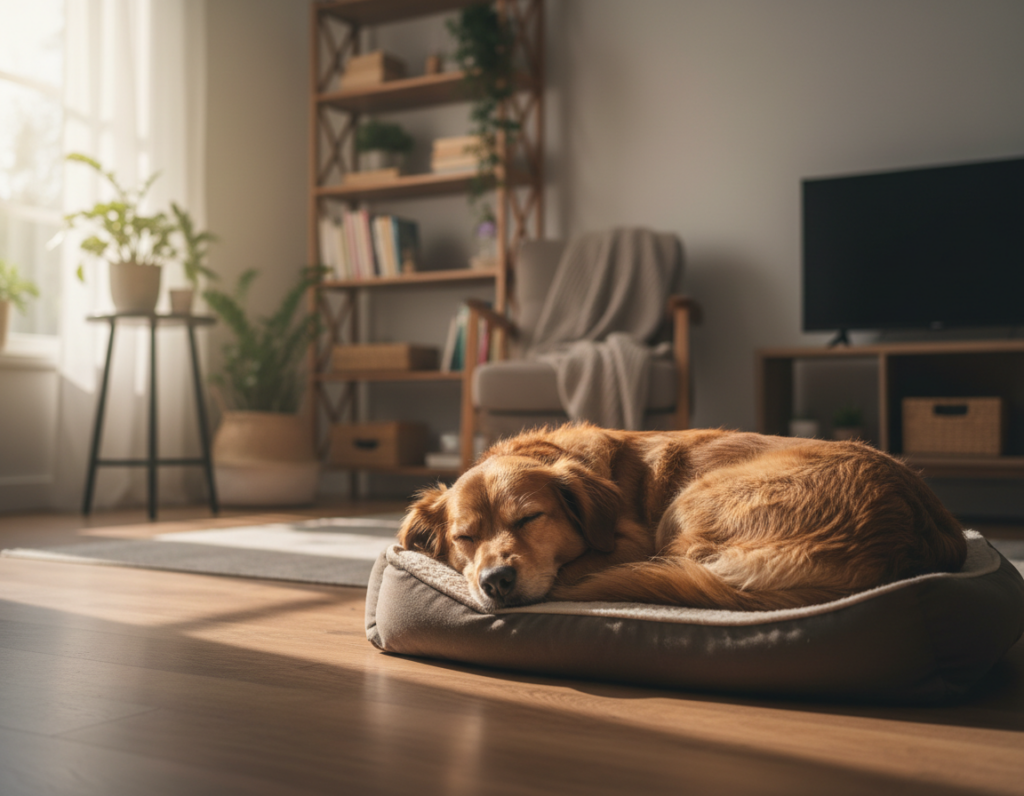
Voluntary settling—lying down with loose limbs and slow breathing—shows real relaxation whether on a mattress or a mat.
Deep rest versus hypervigilance
Deep rest cues: slow breathing, relaxed face, and staying put even when you move. These indicate the pet feels safe enough to be vulnerable.
Hypervigilant cues: repeated scanning, startles, or constant repositioning suggest uncertainty and need for more reassurance.
Eating, treats, and resource comfort
Calm eating with you nearby often means the animal feels safe around food and attention. Kinship warns some may eat under stress, so pair this with body language.
If you can move bedding, toys, or bowls without tension, that shows security. Guarding or stiff reactions are training or behavior issues to address, not a test of loyalty.
“A home where a companion can rest, chew, and eat without being on alert supports long-term well-being.”
Practical examples: napping by your desk during work, calmly chewing a toy while you cook, or choosing a crate in your room for quiet sleep life.
Takeaway: aim for an environment where peaceful rest and relaxed meals happen naturally—those daily moments reveal more about how your pet feels than any dramatic gesture.
Routine and Reliability: The Quiet Way Dogs Learn to Trust
Small, steady routines are one of the quietest ways an animal learns it can rely on you.
Why schedules matter
Predictable feeding and walking times reduce uncertainty. When meals, potty breaks, and play happen at a steady time, animals settle faster and show calmer behavior.
How patterns build a “count on you” dynamic
Dogs notice patterns. An 8 a.m. breakfast and an evening walk teach expectation. Over days, that repetition becomes a cue that life is safe and regular.
- Key routines: feeding, potty, exercise, quiet time, and bedtime wind-down.
- Training overlap: consistent cues and follow-through help learning feel fair and clear.
- Behavior payoff: regular schedules often cut down pacing, whining, and restless following.
| Routine | Typical Timing | Positive Outcome |
|---|---|---|
| Feeding | Morning & evening | Calmer meals; reduced guarding |
| Walks | After work / set slot | Predictable outlet for energy |
| Potty breaks | Regular intervals | Fewer accidents; less anxiety |
Practical tips: If your schedule varies, keep anchor points like a morning potty and an evening walk. Use the same pre-routine cue (a leash, a bell, or a phrase) so the pattern reads clearly.
“Pets rely on routines for normalcy.”
Takeaway: a companion who waits calmly at the usual spot is showing a quiet form of confidence. Even so, their response can shift with your mood—next we look at how your emotions affect that bond.
Emotional Contagion: How Your Mood and Stress Affect Your Dog’s Trust
A tense posture or clipped tone at home can quickly alter an animal’s willingness to engage.
Emotional contagion means companions pick up mood from voice, face, and body tension. When you’re anxious, that broadcast can lower their confidence and change normal behavior.
Research snapshot: Brigham Young University found that negative facial or vocal expressions — a harsh tone or frown — made dogs less willing to search for a hidden reward. That suggests mood directly affects participation and engagement.
A 2024 study also shows that dogs can smell human stress chemicals. Even if you feel composed, scent cues may shift how they respond.
In real life you might notice hesitation at the door after a tough day, or more clinginess when household anxiety is high. These are common behavior changes tied to stress.
- Keep cues calm: lower volume, slow movements, and steady posture when you want a relaxed interaction.
- Manage, don’t force: give a quiet space or enrichment when you feel overwhelmed instead of pushing play or training.
- Repair gently: resume normal routine, offer low-pressure attention, or do a short, pleasant activity to rebuild ease.
“Pets pick up on human emotion; brief, predictable negative moments are easier for them to handle than prolonged tension.”
This isn’t about perfection. Brief shows of frustration won’t erase a strong bond, but repeated high anxiety can erode willingness to engage. Next, we’ll cover how handling and consent affect physical interactions during those moments.
Yes—animals can mirror human emotion
Affection, Handling, and Consent: When Touch Builds a Stronger Bond
Touch matters most when the animal chooses to engage. Consent-based handling turns casual petting and care into moments that reinforce affection and calm.
“Consent petting” and the three-second check-in approach
How to do it: approach calmly, pet for three seconds, then stop. Watch the response: a nudge or leaning in means continue; lip-licking, head-turning, or yawning means give space. Repeat short checks and reward friendly re-engagement with praise or a treat.
Handling tolerance for real-life care
Start brief touches for harnessing, paw wipes, baths, ear checks, and nail trims. Pair each step with positive reinforcement and end before the animal escalates. Over time, reduced tension and easier cooperation show the bond is growing.
Respecting space increases willingness
- Common “please stop” cues: moving away, freezing, closed mouth, whale eye, tucked tail.
- Use short sessions, reward calm, and slowly lengthen handling during training.
“If growling or snapping occurs during handling, stop and seek help from a qualified professional.”
Tail Talk and Play Signals That Show Comfort With You
Watch the tail and a few classic play moves to read comfort and mood in everyday moments.
Tail movement isn’t one-size-fits-all. Speed, height, stiffness, and direction all add meaning. A broad, fluid wag with a relaxed body usually signals ease. A high, rigid wag paired with a stiff posture can mean high arousal or caution.
Right-leaning versus left-leaning wag
Research finds asymmetry matters: a right-leaning wag often links to positive emotion, while a left-leaning wag can align with negative tone. Use direction along with the rest of the body to interpret mood accurately.
Play invitations and belly exposure
Common play behaviors include pawing, a low play bow, head tilts, bouncing steps, and little vocalizations aimed to get human attention. A pup bringing a toy, wagging loosely, then offering a bow is usually saying, let’s play and showing comfort.
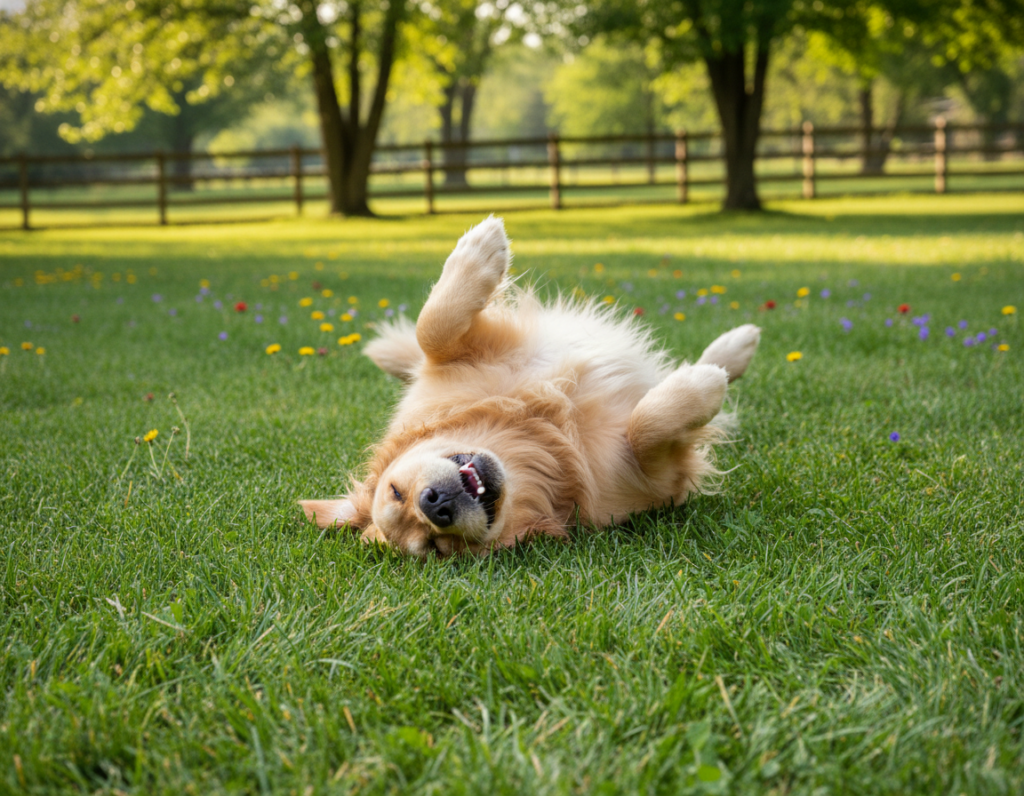
Belly exposure may be playful or vulnerable. Read the whole body: loose limbs and soft eyes mean comfort; closed posture or quick stiffening suggests unease.
“If play becomes nipping or over-arousal, pause and redirect to calm activities.”
Following Your Lead: Secure-Base Behaviors in Dogs
A reliable owner presence often lets a companion leave the safety of your side and explore with more confidence.
What “secure base” means: your calm presence makes the world feel safer. That allows a pet to investigate new places and recover after a startle without staying glued to you.
Check-in behavior: a brief glance back at you after a strange sound, then resuming exploration if you remain calm, is a classic sign. This loop — look, decide, move — shows the relationship is working.
Exploration changes when an owner is nearby. Many dogs investigate more and longer with their person present than when left alone or with strangers.
- Emotional mirroring: companions often copy your calm or anxious cues in new situations.
- Owner actions: stay neutral, avoid frantic reassurance, and reward voluntary check-ins with a soft word or treat.
- Daily examples: vet lobby, new trail, or meeting a visitor—notice if your pet uses you as an anchor.
| Behavior | What it suggests | Owner action |
|---|---|---|
| Checks in → explores | Secure-base present | Quiet praise or treat |
| Looks but stays tense | Needs reassurance | Give space; stay calm |
| Mirrors your anxiety | Emotional contagion | Lower your energy; breathe |
“Looking to you for a cue, then returning to explore, is more meaningful than a single glance.”
Note: a look toward you can mean uncertainty. It becomes a strong sign when the pet recovers and engages again. Next we’ll cover some unexpected home behaviors that still reflect connection.
Unexpected Behaviors That Can Still Be Trust Signals
Some unexpected behaviors actually point to calm attachment rather than mischief.
Stealing shoes or clothes: a pup that grabs a shoe may be seeking your scent for comfort. Jessica Lockhart notes that personal items carry reassuring smells, especially when owners are away.
Practical nuance: this can be attention-seeking or normal mouthing. The key sign of comfort is gentle carrying or nestling, not destructive chewing.
- Swap in approved chew toys or scent-safe items to redirect the habit.
- Use closed laundry or a basket and teach a calm “drop it” cue without punishment.
- Reinforce calm retrieval with praise or a treat so the behavior stays safe and voluntary.
Calm departures as a positive cue
Remaining calm when you leave can show the animal expects you to return. DoggieLawn highlights that settling after an owner departs often reflects confidence in the routine.
| Behavior | What it may mean | Owner action |
|---|---|---|
| Settles and chews | Comfort and routine confidence | Maintain predictable departures; reward calm |
| Goes to a favorite spot | Reliable security behavior | Keep that spot available; use comforting items |
| Pacing or frantic barking | Possible separation anxiety | Seek training or vet support |
“Quiet, predictable reactions to leaving are often a better sign of security than clinginess.”
Observe whether the animal rests, chews calmly, or follows a routine spot after you depart. Those behaviors differ from the distress of separation anxiety, which needs a plan and professional help.
Next: the following section explains clear steps to build more confidence when a companion seems uncertain or anxious.
How to Build More Trust If Your Dog Seems Anxious or Uncertain
Start by giving space and steady calm; little changes can reshape how a pet copes with fear. Move slowly, avoid looming or long eye contact, and let the animal set the pace for contact.
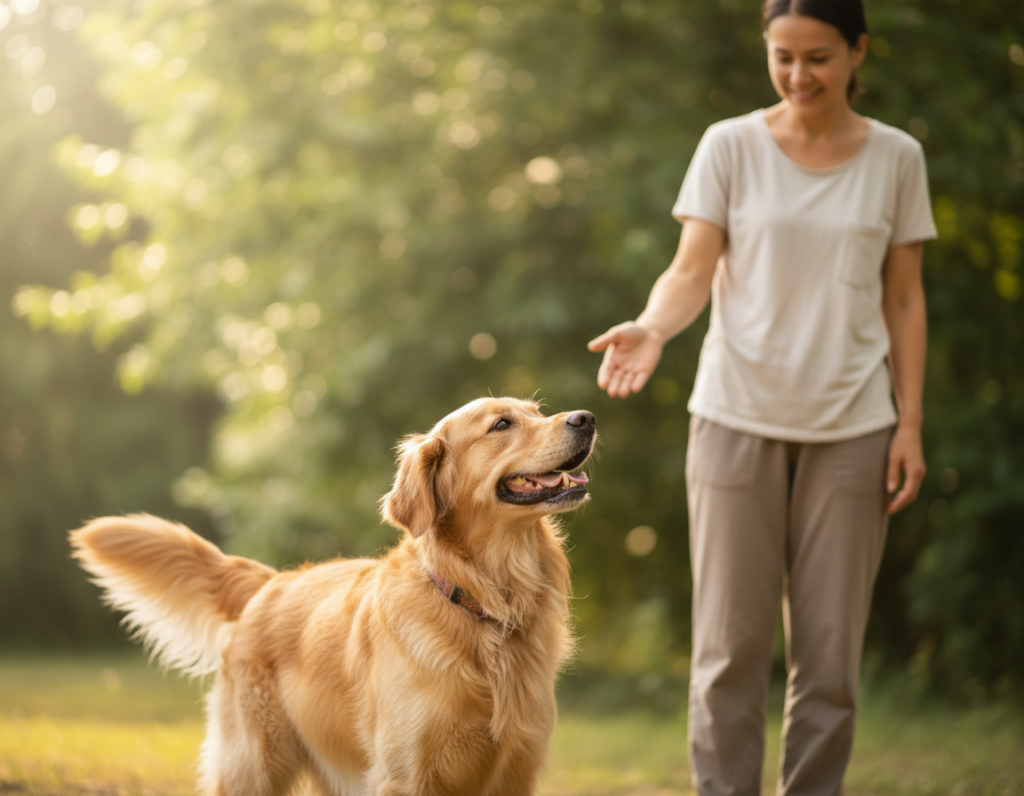
Move slowly and reduce pressure. Sit quietly in the room without reaching or hovering. Turn your body sideways, keep an even voice, and wait for the pet to approach. These low-pressure moves help reduce anxiety and invite voluntary interaction.
Give choice and agency. Let the animal opt in or out of petting, pick its distance from guests, and always offer an easy exit route. Choice builds confidence faster than enforced handling.
Make predictable daily routines
Stable feeding, potty, exercise, and wind-down times cut uncertainty. Consistent verbal cues and timing help the animal learn what to expect and relax more quickly.
Use positive reinforcement
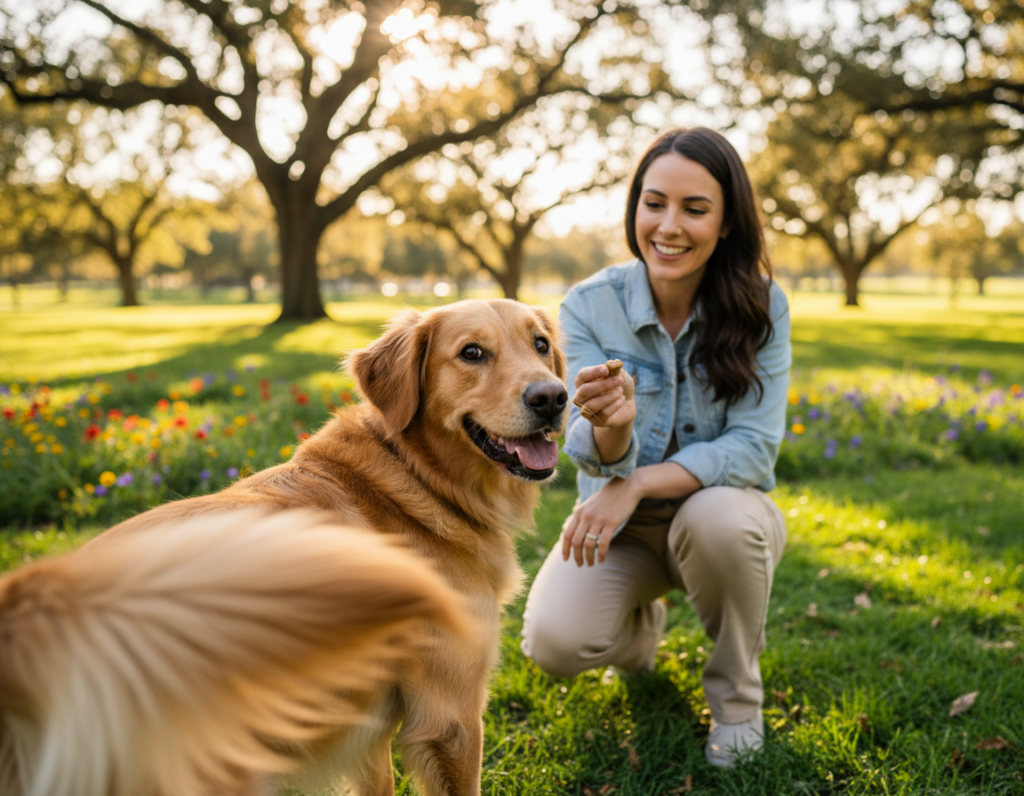
Reward calm check-ins, soft body language, and small brave steps with high-value treats or gentle praise. Over time, those rewards create positive associations and better cooperation during training.
Try the “Treat and Retreat” protocol
Steps:
- Set a safe zone and a nearby safer zone.
- Toss one treat at the animal’s feet, then two slightly behind into the safer zone.
- Repeat briefly for 5–7 minutes, then allow decompression.
- When movement is smooth, place one treat gradually between you and the pet and add light engagement as it relaxes.
If the animal hesitates, increase distance, lower expectations, and keep sessions short. End on a calm success.
When to involve a professional
Seek a certified trainer or veterinarian if panic persists, aggression appears, the animal cannot settle, or behavior changes abruptly. Medical issues can mimic anxiety, so rule out pain before intensifying training.
“Start slow, give choice, and reward calm—those steps change how a companion feels over time.”
Conclusion
Real insight comes when you stitch small behaviors together into a fuller picture. , Watch patterns: posture, breathing, and routine build meaning more than a single moment.
Key takeaway: loose body language, even breathing, soft check-ins, restful sleep nearby, and steady routines are the most reliable signs of comfort. Read the whole animal and use short notes to track changes.
Use consent-based handling and positive reinforcement so interactions feel safe. Learning to know dog means rewarding choice and stepping back when an animal asks for space.
Secure-base behaviors — quick checks, then exploration — show a healthy relationship. Unexpected acts like carrying a shoe can be connection-seeking; manage them with training and alternatives.
If anxiety is ongoing or behaviors escalate, involve a qualified trainer or veterinarian. Small, consistent actions build lasting calm and comfort over time.