Looking for a clear answer on dog bathing frequency? The right plan depends on breed, coat type, lifestyle, season, age and health. A groomer and vet can guide you, but most owners find a practical middle ground between weekly washes and only a few baths a year.
This short guide will show what to watch for and how to build a routine that fits your pup. You will learn signs that it’s bath time, when a rinse or wipe will do, and when to call a professional.
Groomer Beth Cristiano of Pretty Paws LLC notes that over-washing can dry skin. Under-washing can cause odor and hygiene issues. We’ll explain coat care, lifestyle choices, and simple steps to keep your pet healthy.
If you’re new to pet care or wondering, “Didn’t I just bathe my pup last week?” you’re in the right place. This article offers a realistic range and safety notes that direct serious skin problems to a veterinarian or specialist.
Why There’s No One-Size-Fits-All Bathing Schedule for Dogs
There’s no single timetable that fits every pet — coat type, activity level, and skin sensitivity shape the best approach. A clear, flexible plan avoids harm from rigid rules and helps owners find the right balance.
What too many baths can do to skin and coat oils
Over-washing removes protective oils and can dry and irritate the skin. Monica Handy of Woofie’s Mobile Pet Spa warns that this is especially true for double-coated breeds, where oil loss can reduce insulation.
Skip baths for too long and dirt, allergens, and odor build up on the coat. That buildup can make dogs uncomfortable and raise simple hygiene issues that affect the whole household.
The “no longer huggable” rule of thumb
“Wash dogs when they are no longer huggable.”
This practical checkpoint prevents schedules from trumping real needs. Remember: dog grooming includes brushing, spot cleaning, and trims — not just full baths. The rest of this guide offers a practical range and a short checklist to help you know when a full cleaning is due.
Dog Bathing Frequency Basics: A Practical Range That Works for Most Pets
Most pets fall into a practical wash range based on how active they are and what their coat traps.
Common ranges that fit real life
Practical range: some dogs do well with weekly baths, while others only need a full wash every few months or a few times per year. A full bath means wet down, shampoo, and a thorough rinse; that is the one that affects skin oils most.
How to spot a “bath now” moment
Look for clear signals: noticeable odor, a greasy or matted feel to the fur, visible grime, or heavy pollen/allergen buildup after outdoor time. Puppies and young pups often end up on the more-frequent end because they find messes.
Bathing versus grooming: what counts
Grooming is not the same as a full bath. Brushing, nail trims, ear cleaning, and spot wipes remove debris and delay full washes. Weekly grooming sessions help avoid skin problems by keeping the coat clean between baths.
| Situation | Suggested interval | Why it helps |
|---|---|---|
| Active outdoor pets | Weekly to monthly | Removes mud, allergens, and odor before skin issues |
| Mostly indoor adults | Every few months | Preserves natural oils while keeping hygiene |
| Puppies and messy pups | Every few weeks | They explore and get dirty more often |
| Grooming between baths | Weekly brushing/nail care | Extends time between full baths and prevents mats |
Tip: Track what changed—season, activity, skin condition, or product swaps—before deciding how often to bathe a dog. Adjust the plan based on real signs, not the calendar alone.
Coat Type and Dog Breed: The Biggest Drivers of How Often to Bathe a Dog
The way a coat holds oil, dirt, and tangles is the main clue to how often you should wash your pet. Coat type and breed guide practical care more than a fixed schedule.
Hairless breeds
Hairless breeds, like the Chinese Crested and Xoloitzcuintli, need weekly baths. Without fur, oils and debris sit on skin and require gentle cleansing to prevent breakouts and odor. Beth Cristiano recommends mild, skin-safe products.
Long-coated breeds
Long-coated breeds such as Maltese and Collie may need washes from weekly to every four to six months depending on care. Jorge Bendersky stresses that regular brushing and conditioning keep the coat manageable between washes.
Corded and double coats
Corded coats (for example, a well-formed Puli) behave differently; cords can repel dirt and may reduce typical scent, so fewer baths are common. The Puli Club of America notes this coat often needs special combing, not frequent shampooing.
Double-coated breeds—Labradors, Goldens, and Huskies—risk oil loss from over-washing. Monica Handy advises de-shedding tools and thorough brushing over frequent shampooing to protect insulation and skin health.
| Coat type | Typical interval | Between-bath care |
|---|---|---|
| Hairless | Weekly | Gentle cleanser, sunscreen, moisturize |
| Long-coated | Weekly to 4–6 months | Daily brushing, trim tangles, conditioning |
| Corded | Less often | Separate cords, spot clean, check for mats |
| Double coat | Every few months | De-shedding, seasonal blow-outs, brushing |
Coat maintenance between baths means scheduled brushing, checking friction zones (collar, armpits), and using products suited to the dog coat to extend time between full washes.
Lifestyle Factors That Change How Often You Should Bathe Your Dog
Daily adventures, not just coat type, decide when a full clean is due.
Active outdoor dogs pick up more grime, pollen, and moisture. A pup that runs trails, swims, or rolls in grass will need more attention than a mostly-indoor companion with the same coat.
Common activity scenarios
- Neighborhood walks — light brushing and paw wipes usually suffice.
- Dog parks and daycare — more exposure means more checking for mats, ticks, and odors.
- Hiking, beaches, hunting, or farms — these often trigger the need for a rinse or a bath at home.
When a full bath is unavoidable: mud, manure, skunk-like smells, sticky substances, or swampy water. In those cases, prioritize safety: rinse thoroughly and use a gentle cleanser if needed.
Between-bath cleanup
Simple steps reduce how often you must shampoo. Use a damp washcloth rubdown on the belly and legs after outings. Rinse paws and targeted areas to remove visible dirt.
| Situation | Right-away action | Goal |
|---|---|---|
| Post-hike or muddy walk | Rinse paws and lower legs; towel dry | Remove grit and prevent mats |
| After swimming (lake/ocean) | Rinse salt or algae; check ears | Prevent irritation and odor |
| Sticky or foul mess | Spot-clean with gentle shampoo | Protect skin and home fabrics |
| Light dust or pollen exposure | Damp rubdown and brush | Reduce allergens and delay full baths |
Build a simple after-adventure routine at home. A few minutes of targeted cleaning and routine grooming keeps the coat comfortable and reduces the number of full baths a dog needs over time.
Seasonal Dog Bathing: Summer Odor, Winter Dry Skin, and Allergy Seasons
Why summer smells seem stronger
Heat and humidity speed bacterial growth on a coat. More outdoor play and sweat make an odor appear faster, even when a pup looks clean.
Warm, wet months: common triggers
Greasy fur, fleas or ticks, and seasonal allergies can all rise in warm months. These factors may mean more medicated washes or spot treatments for skin issues.
Cold months: managing dry skin
Winter often brings drier air and indoor heat. Use a moisturizing shampoo and limit full washes to avoid stripping oils that protect the skin.
Post-swim rinses vs. full shampoo
A clean-water rinse after lakes, pools, or the ocean often removes irritants. Save a full shampoo for when grime, salt, or strong smells persist.
| Season | Common issue | Quick action |
|---|---|---|
| Summer | Odor, parasites | Brush, dry thoroughly, vet-approved shampoo if needed |
| Spring | Allergy flare-ups | Rinse pollen, wipe paws, consider hypoallergenic products |
| Winter | Dry, itchy skin | Moisturizing shampoo, shorter washes, conditioner |
Tip: Re-evaluate care as months change. Small seasonal tweaks keep coats healthy and reduce unnecessary full baths.
Health Conditions and Skin Issues: When a Veterinarian Should Set the Bathing Plan
When skin problems appear, medical guidance should drive the cleaning plan instead of a calendar.
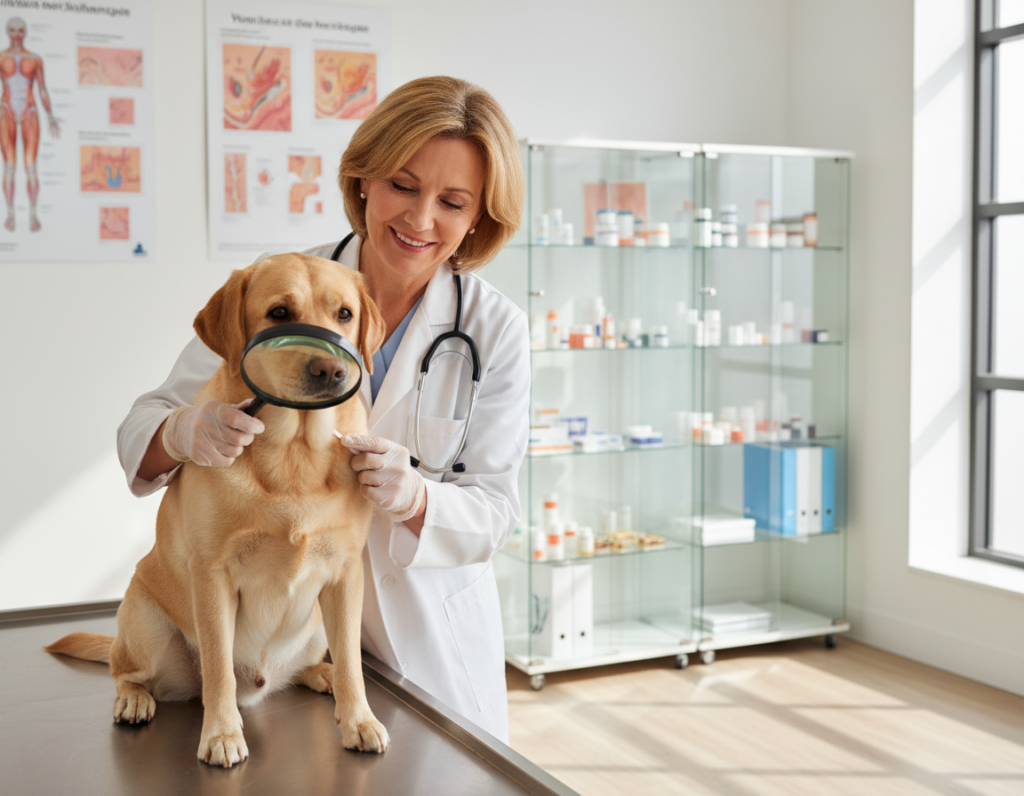
If a pet has a diagnosed condition, a veterinarian or groomer may recommend a medicated shampoo and a set routine.
Medicated shampoos and condition-specific care
Some health conditions require treatment baths that reduce infection, yeast, or inflammation. These washes may be more or less frequent than normal because the goal is clinical, not cosmetic.
Why the wrong product can worsen problems
Human or harsh products can strip the skin barrier and make itchiness and redness worse. Use only vet-approved shampoo when treating sensitive skin.
Managing human allergies and dander
For households with allergies, weekly washing may lower dander on the coat and ease symptoms for people. A dander-removing shampoo may help, but consult your veterinarian first.
Signs to watch: new flakes, sores, unusual odor, or increased scratching. Call your veterinarian if these appear.
Coordination matters: work with a groomer and a vet so professional dog grooming supports the prescribed plan and does not interfere with treatment.
Age and Mobility: Bathing Puppies, Adults, and Senior Dogs
A puppy’s messy habits and a senior’s limited mobility demand different at-home care plans. Age changes how you approach cleaning, spot care, and regular grooming. Use simple checks to decide when a full wash is necessary and when a quick wipe will do.
Puppies and young dogs that find the mess
Puppies explore, roll, and lick everything. That curiosity means a puppy may need baths or spot cleaning more often than an adult.
Practical approach: rely on spot wipes for sticky dirt and save full baths for strong odor or heavy grime. This protects young skin from over-shampooing while keeping pups comfortable.
Seniors that may need less full washing but more help
Older dogs are often calmer and less dirty, so they may need fewer full baths. Mobility limits can make self-cleaning harder.
Gentle brushing, short cleans, and consistent grooming sessions help maintain coat and skin health without stressing a senior pet.
Incontinence and daily maintenance
Urinary incontinence can soil fur and irritate skin. Tactful daily care prevents issues:
- Use soft, pet-safe wipes for sanitary areas.
- Trim fur around soiled zones to reduce buildup.
- Spot-clean with a mild cleanser when needed.
“Small, frequent care often beats a harsh full wash for fragile skin.”
| Life stage | Right-away action | Goal |
|---|---|---|
| Puppy | Spot-clean; full bath for heavy mess | Protect skin, remove grime |
| Adult | Groom weekly; bath as needed | Balance oils and hygiene |
| Senior | Assist grooming; use non-slip mat | Keep fur clean and skin healthy |
Home safety tips: use a warm room, non-slip bath mat, and gentle handling. These small steps make care less stressful and safer for pets as they age.
How to Bathe a Dog the Right Way at Home Without Drying Out the Coat
A gentle, methodical approach at home prevents irritation and preserves natural oils.
Prep: brushing and tangle removal
Start by brushing to lift loose fur, remove tangles, and clear dirt. That step helps shampoo reach the skin and shortens rinse time.
Choosing safe shampoo and matching products
Pick a vet-approved shampoo made for the coat type—moisturizing for dry skin or de-shedding formulas for thick coats.
Wet down, lather, and rinse thoroughly
Wet the coat fully, work a gentle lather into the skin, then rinse until water runs clear. Leftover residue can cause itching and hotspots.
Drying and after-bath coat care
Towel-dry first, then use a low-heat dryer if the pet tolerates it. Brush as the coat dries to prevent mats, especially in long fur and collar areas.
Monthly upkeep and when wipes help
Keep a short monthly checklist: trim nails, clean ears, and wipe skin folds to avoid buildup. For small messes, seniors, or quick refreshes, grooming wipes save time and protect fragile skin.
When to Use a Professional Groomer for Baths, Coats, and Tough Tangles
Call a groomer when at-home tools can’t safely resolve a problem. Tight mats, heavy shedding packs, or sticky substances like gum risk skin injury if you try to cut them out yourself.
Dematting, sticky messes, and specialized tools
Groomers use dematting rakes, special clippers, and thinning tools that remove knots without causing clipper burn or nicks. That reduces infection and protects coat health.
Seasonal trims and coat management
Strategic trims before hot months lower drying time and odor. A professional cut can make at-home washes quicker and less stressful.
- Safe choice: tight mats, gum or oil, heavy shedding packs, or breed-specific trims.
- Pro tip: schedule routine visits every few months for high-maintenance coats and breeds.
| Issue | Pro action | Why |
|---|---|---|
| Tight mats | Dematting and trim | Prevents skin tears |
| Sticky mess | Safe solvent and shave | Avoids infection |
| Seasonal coat change | Deshed and trim | Reduces at-home work |
Bottom line: professional grooming complements daily brushing and spot cleaning. Decide whether to bathe dog at home or book a pro based on coat type, lifestyle, and your comfort with tools.
Conclusion
,Every pet’s ideal wash plan balances comfort, coat health, and daily life.
Key takeaway: there is no universal rule. Some dogs do well with weekly attention, while others need only a few baths per year. Use real cues—odor, grime, greasiness, and how comfortable your dog seems—over strict calendars.
Coat type and breed, lifestyle exposure, seasonal shifts, and age or mobility changes drive what dogs need. If ongoing skin problems or signs of infection appear, let a veterinarian set the product choice and timing.
Start with a simple routine, track how your pet responds, and adjust over time. Small steps protect skin and overall health while keeping your pet clean and comfortable.