Good hydration supports key body functions and affects temperature control, nutrient absorption, joint and muscle support, and urinary and digestive health. This short guide focuses on everyday habits at home, not medical fluid therapy, and keeps safety front and center.
Define and track “dog water intake” as the total your pet drinks from bowls and fountains plus moisture in food. Monitoring this helps you spot changes early and act before a small issue grows.
A common starting benchmark is about 1 ounce per pound per day, but real needs shift with activity, diet, weather, and age. Aim for consistent access to appealing water and simple routines rather than forcing a precise number.
Higher drinking after play or in heat can be normal, yet patterns matter more than single days. This article will cover the benefits of hydration, daily needs and influences, and step-by-step ways to boost and track whether changes help your animal’s health.
Why water is essential to your dog’s health
Proper hydration powers core body functions and helps pets stay active and comfortable. Fluids play a simple but vital role in temperature control, digestion, joints, and urinary health. Watch for clear patterns in changes to drinking behavior rather than fixating on a single day.
Temperature, digestion, and tissue support
During warm weather or exercise, panting and fluid evaporation help cool the body. Low fluids can cause low energy, dry or tacky gums, and slow recovery after play.
Fluids also move food through the GI tract and help the gut absorb nutrients. Regular sipping promotes normal stool consistency and day-to-day comfort.
Hydration keeps joints and muscles working well. Tissues rely on fluid to stay pliable, which matters for active and older animals alike.
Urinary health and stone prevention
Adequate fluid keeps urine flowing and less concentrated. When urine volume rises and urine becomes dilute, mineral crystals are less likely to form and bind into stones, lowering recurrence risk.
Practical takeaway: the “right” amount is what keeps your pet comfortable, producing normal urine, and showing no sudden changes in drinking behavior. Choose whichever water your animal will drink; overall quantity matters more than type.
How much water should dogs drink per day and what affects the amount
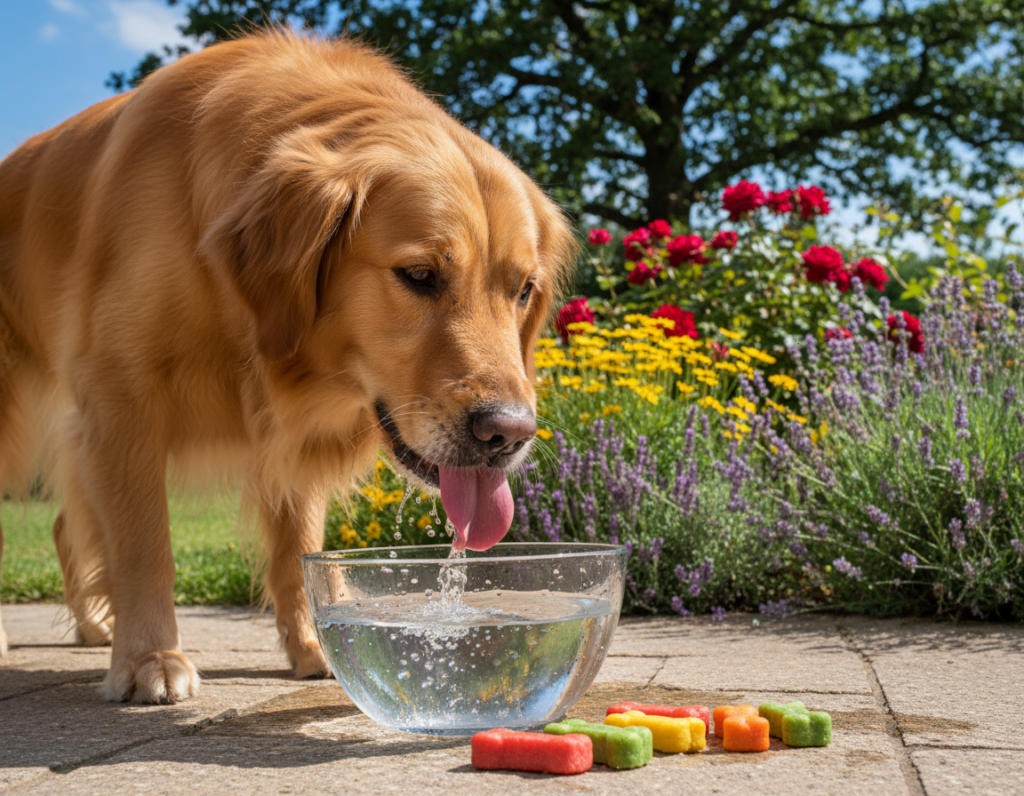
Start with an easy calculation to set a daily target for fluids. Plan roughly 1 ounce per pound of body weight per day as a baseline. That total includes drinking plus moisture from canned or wet food.
Practical examples
Use these quick examples to make the guideline actionable:
- 5-pound pet ≈ 5 ounces per day
- 50-pound pet ≈ 50 ounces per day
- 100-pound pet ≈ 100 ounces per day
When the amount should increase
More is needed during hot weather, long outdoor time, heavy activity, nursing, or in puppies whose kidneys still mature. These factors raise losses and the need for extra fluids.
When your pet may drink less
Wet food and canned food add a lot of moisture, so animals on those diets often sip less. Cooler temperatures also lower panting and fluid loss.
| Scenario | Effect on daily amount | Action |
|---|---|---|
| Hot weather or heavy exercise | Increase | Offer extra bowls and monitor drinking |
| Puppies or nursing adults | Increase | Provide constant access and check intake |
| Canned/wet food diet | May decrease drinking | Count food moisture in daily total |
Safety note: Never limit access to fluids to “manage” high drinking. Withholding can cause dehydration, electrolyte problems, and kidney stress. If a sudden rise in thirst comes with frequent urination, vomiting, diarrhea, or low energy, contact your veterinarian promptly.
How to increase dog water intake at home (and track whether it’s working)
Small, practical changes at home improve sipping and let you track progress without stress. Make sure bowls are clean, checked daily, and refilled to match your pet’s preference for cool or tepid liquid.
Keep drinks appealing
Wash bowls daily to remove slime and debris. Some pets prefer freshly poured cool liquid; others drink better from slightly warmer bowls refilled less often.
Optimize placement and equipment
Place multiple bowls in quiet rooms and prevent other animals from blocking access. Swap to stainless-steel bowls or a circulating fountain for easier cleaning and more appeal.
Use food and soaking tricks
Feed more wet food or canned food (roughly 70–80% moisture) rather than only dry food (about 9–12%). To boost fluids in kibble, add about one cup of liquid per one cup of dry food and soak until pieces float.
Encourage habits and measure results
Reward sips, pair breaks with walks or play, and try gentle, supervised splash play to prompt natural drinking. Track progress with a morning-to-night bowl method or bowls that show volume.
Advanced option: measure urine specific gravity with a refractometer soon after urination (target <1.020 for dogs; <1.030 for cats). For step-by-step guidance on methods and more ways to help your pet, see how to increase water intake for.
Conclusion
Use a simple daily target tied to body weight, then tune it to activity, diet, and climate.
Create an easy plan: set an amount by pound for each day and adjust for exercise, heat, or more moist food.
Support overall health by improving appeal, adding bowls or a fountain, and adding moisture to meals to raise steady intake without stress.
More fluid usually raises urine volume and lowers concentration, which can reduce the risk of crystal or stone formation in susceptible pets.
Keep measurement simple and consistent so trends show progress. If your dog suddenly drinks much water or shows vomiting, diarrhea, lethargy, or appetite loss, contact your veterinarian rather than trying to limit access.