Everyday body language matters. Pets rely on nonverbal cues more than words. People often focus on one cue and miss the full picture.
Signal packages combine tail, posture, face, ears and eyes. Watching the whole animal helps you predict behavior before problems start. This guide teaches present-moment observation so you catch early discomfort.
Simple gestures like a wag, a yawn, or turning the head can mean different things in context. Humans misread these because canine language differs from human social cues. Learn to read patterns across the body, not isolated moments.
Benefit: better information means fewer fearful or stressful interactions and a stronger daily bond between people and their pets. You will spot changes in arousal and intent—interest, stress, fear, play or guarding—so you can act calmly and stay safe.
How to Read Dog Body Language as a Whole
Scan from tail tip to ear set to catch the pattern that explains behavior. A single movement rarely tells the full story. Look for matching cues across the whole body before you react.
Why a wagging tail alone can be misleading
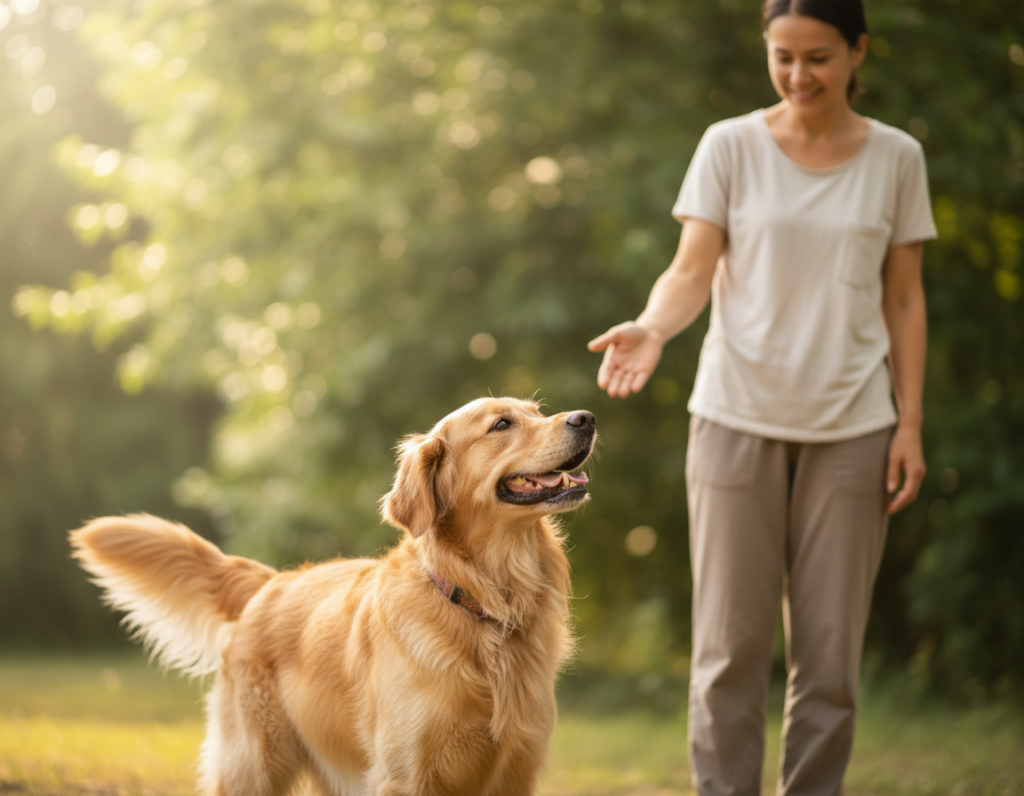
A wagging tail marks arousal, not always happiness. The speed, height, and direction matter. A high, tight wag with a stiff stance often means tension. A low, loose wag with relaxed eyes usually means ease.
How context, environment, and “signal packages” prevent misunderstandings
Signal packages combine posture, mouth tension, ear set, and gaze. Context—crowd level, distance to a trigger, and the animal’s goal—changes the meaning of the same movement.
| Checklist | What to look for | Quick interpretation |
|---|---|---|
| Posture | Stiff vs soft | Guarding vs relaxed |
| Weight Shift | Leaning back or forward | Move away vs approach |
| Mouth & Eyes | Tension, soft gaze | Stress vs calm |
| Tail | Height and wag style | Arousal type |
Tip: learn your pet’s baseline dog body so subtle changes stand out. Reading the whole body keeps people safer and prevents misreads that lead to conflict.
Dog Communication Signals in the Tail and Back
The tail and the ridge of the back offer fast clues about mood and intent. Watch how motion, height, and hair along the spine change in real time.
Tail-wagging decoded: speed, direction, and height
Speed matches arousal: a slow, wide sweep usually means relaxed. A short, rapid twitch shows higher arousal and alertness.
Direction adds nuance: research shows animals may wag more to the right in positive contexts and to the left in negative ones. Use direction with other cues to avoid mistakes.
Tucked, low, neutral, and “flag” tails: fear, stress, confidence, and threat
A tucked or pressed-low tail can mark fear or stress. A neutral carriage varies by breed, so learn your pet’s baseline to spot shifts.
A high “flag” tail often signals confidence and can turn into a warning when the body firms.
Raised hackles (piloerection): arousal isn’t always aggression
Raised hair along the back signals arousal. It can mean excitement, stress, or intense interest—not only aggression.
Safety cue: if the tail is high and tight, hackles are up, and the body is rigid, create distance and reduce pressure rather than reaching in.
| Variable | How to observe | Likely meaning |
|---|---|---|
| Speed | Slow wide wag vs fast twitch | Calm vs high arousal |
| Direction | Right vs left bias | Generally positive vs negative context |
| Height | Tucked, neutral, high | Fear/stress, baseline, confidence/threat |
| Hackles | Raised along back | Arousal: stress, excitement, or interest |
Posture, Weight Shift, and Movement Cues That Predict Behavior
How an animal carries its weight gives clear clues about approach or avoidance. Read posture and weight shift as a map of where the animal wants the situation to go.
Cowering low vs leaning forward: distance-increasing and distance-decreasing
A cowering, low stance with weight shifted back usually means fear or stress. The animal is trying to look smaller and increase distance.
By contrast, a forward lean with weight moving toward a target often shows interest. When paired with stiff posture, this can mark offensive intent.
Play bow: the clearest sign of friendly intent
The play bow (chest down, rump up) is one of the most reliable friendly behaviors. Look for loose, bouncy motion that follows the bow to confirm playful intent.
Paw raise: uncertainty or context-specific meaning
A single raised paw often indicates hesitation or uncertainty outside pointing breeds. It usually appears with brief scanning and small weight shifts.
Curving away, slow movement, and freezing: early warnings
Curving away, slow approach, and brief freezing act as yellow-light warnings before escalation. These behaviors often precede growling or snapping if pressure continues.
- Practical response: reduce intensity, give more space, and allow natural sniffing or curving.
- Avoid forcing contact and watch the head and mouth for confirmation of comfort or anxiety.
Facial Expressions, Mouth, and Ears: Subtle Signs People Miss
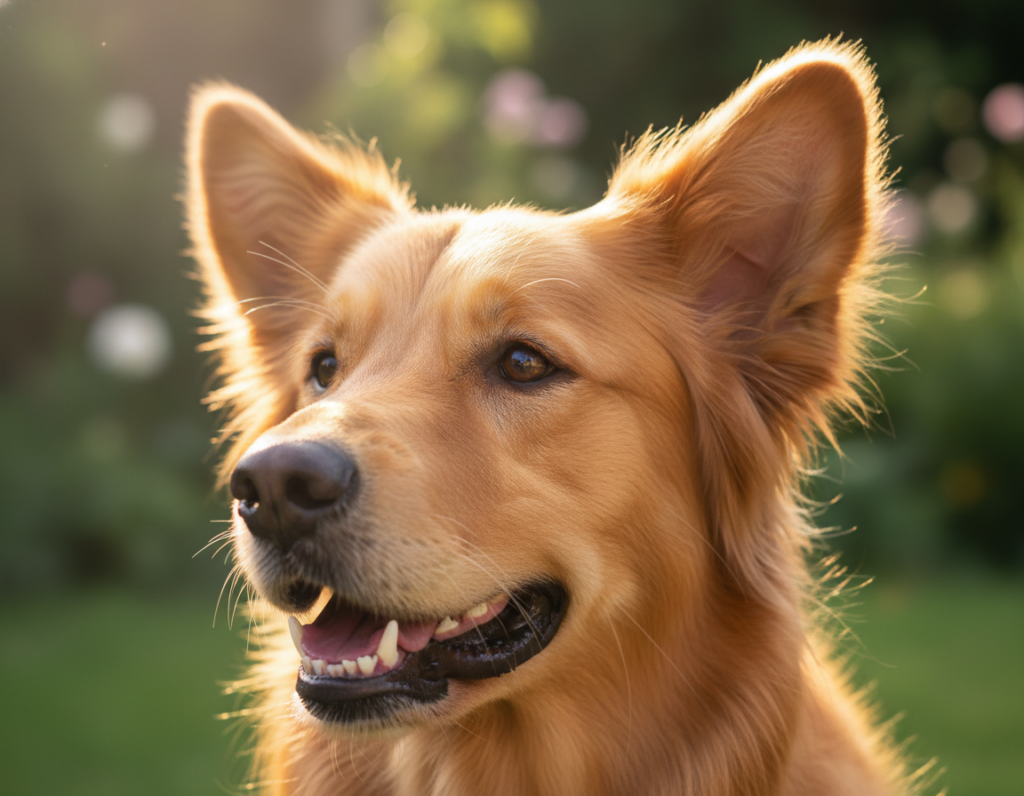
A quick look at the face can reveal discomfort long before a full-body reaction appears. Watching mouth, lips, and ear position gives an early window into intent.
Yawning and lip licking as early cues
Yawning and quick lip licks often mean more than sleepiness. Turid Rugaas notes that yawning helps animals self-calm and can calm others.
“Yawning is a way animals self-calm and calm others.”
At the vet or during tense greetings, these behaviors often mark rising stress or mild discomfort.
Reading mouth tension and teeth displays
A relaxed mouth has soft lips and easy panting. A closed, tight mouth with pulled-back lips usually shows worry or appeasement.
Showing teeth can be two things: a tense snarl with a C-shaped lip and growl, or an appeasement grin paired with loose posture. Note the rest of the body to tell them apart.
Ears as a fast mood barometer
Natural ear set equals ease. Pinned-back ears often signal fear or appeasement. Forward ears mean the animal is assessing a stimulus and may be alert.
Takeaway: Faces change first. People who watch mouth, lips, and ears prevent accidental escalation by acting early and calmly.
Eyes and Eye Contact: Soft Eyes, Hard Stares, and Whale Eye
Watch the lids and whites: eye shape and exposure tell you what the animal feels now. The eyes act as an early-warning system when the rest of the dog body stays still.
Soft gaze versus hard stare
Soft eyes have relaxed lids, gentle squinting, and loose facial muscles. They show calm engagement and ease.
By contrast, a hard stare is a fixed, intense look. It can function as a warning or a prelude to threat and possible aggression. Pause and change the space if you see it.
Looking away as a calming choice
Turning the gaze or avoiding eye contact often reduces tension. This behavior helps lower pressure and is not stubbornness.
When someone reads that look as rude, they may keep pushing. Instead, give more distance and let the animal choose interaction.
Whale eye and the belly context
Whale eye shows the whites when the head turns but the eyes remain fixed on the trigger. It signals anxiety and mild discomfort in real time.
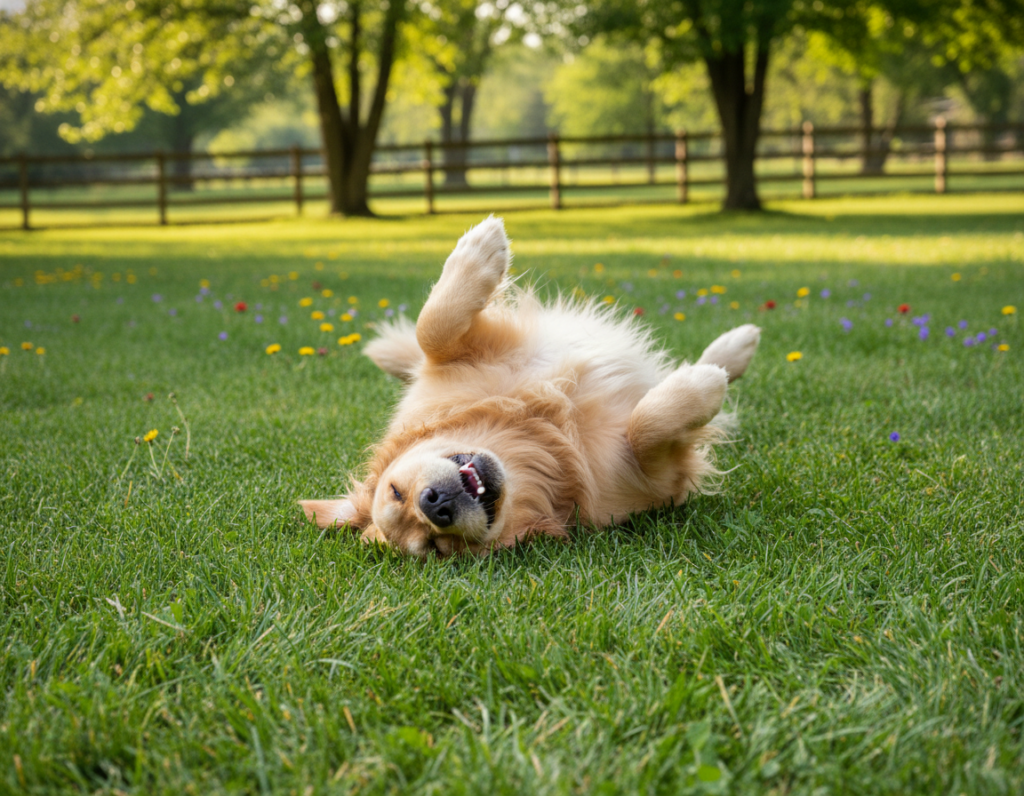
Compare belly-up postures: belly plus whale eye and lip licking often means the animal wants distance. Belly-up with a relaxed face and easy contact usually means trust.
“Pause interaction, reduce pressure, and avoid reaching toward the head when you see hard eyes or whale eye.”
Conclusion
Watching posture, eyes, and tail as a set often reveals a problem before it grows.
Read the whole language of the body: combine back and tail position, weight shifts, face, and gaze to form one clear picture. This method reduces guesswork and keeps people safer in everyday moments.
Remember: a wag is arousal, not automatic friendliness. Position, speed, and the rest of the body decide meaning.
Watch for early signs—freezing, curving away, lip licking, yawning, hard eyes, and whale eye—as a prompt to give space, lower intensity, and avoid looming or forcing contact.
Practical next step: note your pet’s neutral baseline (tail carriage, ear set, facial softness) during calm times, then compare it in greetings, play, and handling. For more detail on calming behavior, see this calming signals research: calming signals research.
Benefit: better information prevents threat moments, reduces bites, and helps humans and pets share a calmer way of living together.