Early detection helps protect your pet’s health. Learn what to watch for when behavior, appetite, or energy change from normal. Noticing unusual symptoms early makes treatment easier and often less costly.
Real-life meaning: the phrase “signs dog is sick” refers to clear shifts in routine, body function, or mood that suggest discomfort or infection. Track how your animal usually acts so you can compare.
Focus on behavior, eating and drinking, vomiting or diarrhea, breathing, skin and coat, and changes in eyes, ears, mouth, urination, weight, or fever. Decide when to call your vet and when careful home monitoring may suffice.
Quick rule: use the 24-hour guideline for persistent GI issues or refusal to eat or drink. This guide helps with choices but does not replace professional diagnosis for urgent red-flag conditions.
How to Tell What’s Normal for Your Dog (So You Spot Changes Fast)
Record daily habits like eating and energy to catch early health changes before they worsen. A short, steady log makes subtle shifts easier to spot. Small trends matter even when your pet seems mostly fine.
Daily baseline to track
Quick checklist:
- Food: what and how much at each meal (cups or grams).
- Water: refill frequency and approximate cups each day.
- Energy: normal play level and walk enthusiasm.
- Stool: consistency and color.
- Urination: times per day and any straining.
Subtle cues owners miss
Watch for sleep timing shifts, hiding, or less interest in routine play. These small symptoms often appear before clear illness.
“Compare to yesterday or last week, not to other animals.”
Why it helps: tracking lets you spot one small change that points to a bigger problem with diet, care, or metabolism. Early notes guide better vet conversations and faster care.
Behavior and Energy Changes That Can Signal Your Dog Is Sick
Small shifts in play, sleep, or temperament can reveal internal problems before physical symptoms appear.
Lethargy and low energy
Lethargy shows up when your pet sleeps far more than usual, rises slowly, or ignores walks and toys.
Normal tiredness after a long hike differs from concerning lethargy when no cause is clear or the change lasts more than 24 hours.
Withdrawal, clinginess, and restlessness
Some animals hide and avoid contact. Others become unusually clingy.
Restlessness — pacing, panting at rest, or an inability to settle — can point to pain, GI upset, or stress-related triggers.
Irritability or aggression
Growling when touched, avoiding being picked up, or snapping may mean discomfort or injury. Treat new aggression as a red flag.
- Reduce loud noises and rough play.
- Note exact triggers: ears, back, belly handling, or movement.
- Document patterns to share with your veterinarian.
| Observation | Normal | Concerning |
|---|---|---|
| Sleep | Restorative, predictable | Marked increase without cause |
| Activity | Tired after exercise | Unwilling to move or play |
| Temperament | Consistent with past mood | Withdrawal, clinginess, sudden aggression |
signs dog is sick in Eating, Drinking, and Appetite Patterns
Appetite and water intake can shift subtly—track both to spot early trouble.
Refusing food or water for more than 24 hours is a clear threshold: call your veterinarian if refusal lasts beyond a day. Reduced intake can reflect nausea, dental pain, infection, or systemic disease. Don’t wait when both food and water are refused.
When a sudden increase in appetite appears
An unexpected rise in eating may sound harmless, but it could point to metabolic issues. Conditions such as diabetes or thyroid problems often cause strong hunger, sometimes paired with weight change.
What rising thirst can suggest
New or dramatic increases in water use could sign kidney trouble, diabetes, or a growing risk of dehydration. Note frequency, bowl refills, and any changes in urine output.
“Appetite and thirst changes often show up before other symptoms; log them and report patterns to your vet.”
| Change | Possible causes | Action |
|---|---|---|
| Refuses food >24 hrs | Nausea, pain, infection, systemic disease | Contact vet immediately |
| Sudden hunger increase | Diabetes, thyroid disease, parasites | Record weight, appetite; vet check |
| Increased thirst | Kidney issues, diabetes, dehydration | Measure water use; seek evaluation |
Practical tips: measure bowl fills, note treats, and record scavenging or begging. Offer fresh water and, short-term, a bland diet like boiled chicken and white rice while you arrange veterinary guidance.
For a helpful guide on early health cues and what to watch, learn more about early health cues.
Vomiting and Diarrhea: When an Upset Stomach Becomes a Health Concern
An upset stomach can be brief, but repeated vomiting or diarrhea often signals a deeper problem.
What counts as occasional: a single vomit episode or one mildly loose stool after a dietary change can resolve quickly. Monitor for improvement over 24 hours.
Common causes of ongoing GI issues
Why symptoms persist: intestinal parasites, infection, dietary indiscretion, toxin exposure, and organ disease can all cause repeated vomiting and diarrhea. Correct diagnosis changes the treatment plan.
Escalation triggers — seek urgent care when you see:
- Blood in vomit or stool.
- Severe lethargy or a swollen, painful abdomen.
- Repeated unproductive retching or inability to keep water down.
Dehydration warning signs
Fluid loss can escalate fast, especially in small breeds. Watch for tacky gums, sunken eyes, weakness, and reduced urination.
“If vomiting or diarrhea continues beyond 24 hours, call your veterinarian for guidance.”
While you contact your vet, keep fresh water available, offer ice chips if your pet won’t drink, and consider a bland diet short-term only if the veterinarian approves.
| Finding | Likely causes | Immediate action | When to call a vet |
|---|---|---|---|
| Single vomit or loose stool | Diet change, mild GI upset | Monitor, withhold food 8–12 hrs | If recurs or worsens |
| Repeated vomiting/diarrhea | Parasites, infections, toxins, organ disease | Hydrate, seek evaluation | Within 24 hours or sooner |
| Signs of dehydration or blood present | Severe infection, toxin, internal bleeding | Do not delay; seek urgent care | Immediately |
Coughing, Sneezing, and Breathing Problems You Shouldn’t Ignore
Listen for persistent coughing or noisy breathing; these vocal changes often point to more than a passing irritation.
What “persistent” means: cough or wheeze that lasts several days, grows worse, or interrupts sleep and activity. If it continues, schedule a vet visit for evaluation.
What a veterinarian will consider
- Respiratory infection or kennel cough.
- Allergies that inflame airways and trigger coughing or sneezing.
- Heart or lung disease that causes exercise intolerance and fatigue.
- Heartworm-related symptoms in endemic areas.
Urgent breathing red flags
Seek immediate care for labored breathing, open-mouth breathing at rest, blue or pale gums, or sudden collapse. Short-nosed breeds (Pugs, Bulldogs) can decompensate faster and need prompt attention.
| Finding | Likely causes | Action |
|---|---|---|
| Chronic cough for days | Infection, allergies, heartworm | Call vet; note timing and triggers |
| Wheezing with exercise | Airway inflammation, heart/lung disease | Limit activity; seek evaluation |
| Open-mouth breathing at rest | Severe respiratory distress | Emergency veterinary care |
Reduce irritants at home: avoid smoke, strong cleaners, heavy fragrances, and dusty areas while monitoring symptoms. Note context for the vet—cough after activity, night-only episodes, honking sounds, or wet discharge—to help narrow possible conditions.
Skin, Coat, and Parasite Clues: Itching, Hair Loss, Rashes, and Fleas
A quick skin and coat check often catches health issues before they spread. Make this a short, regular step during grooming. Healthy skin is usually clear and a healthy coat looks shiny.
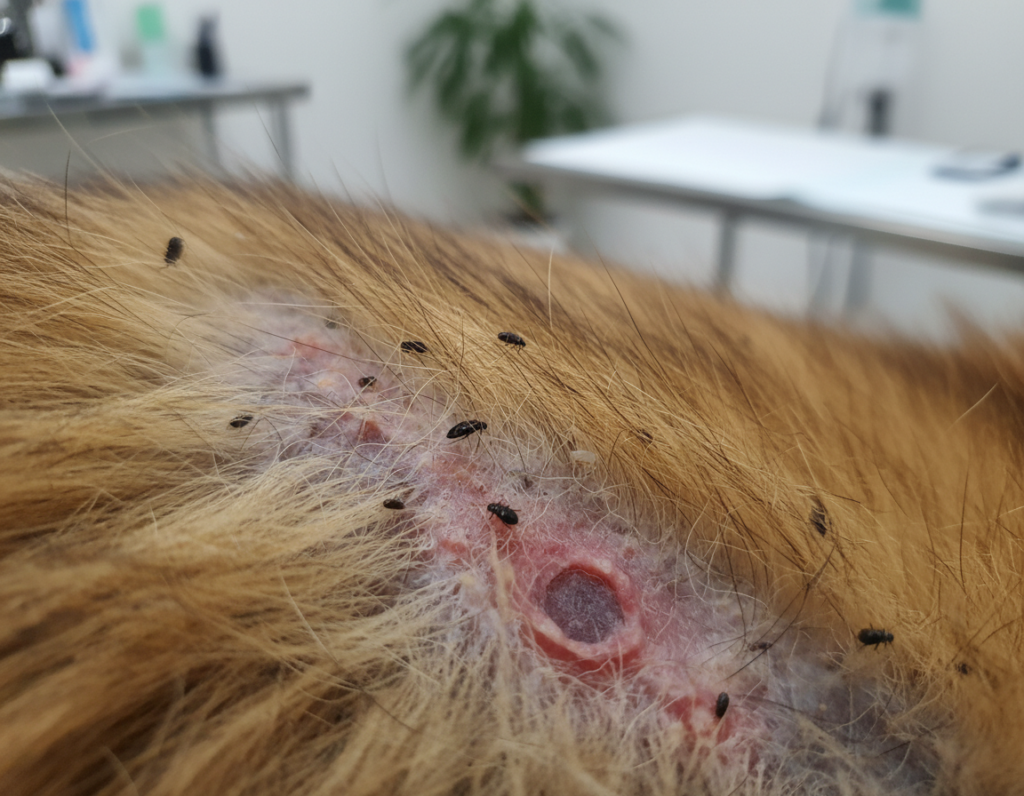
Early signals to watch
Redness, flaky patches, hot spots, and small bald areas can be the first symptoms of a problem. These are not just dry skin; they may mark allergies, infection, or an emerging illness.
Why scratching worsens problems
Excessive licking or scratching creates an itch cycle. Allergies, bacterial or yeast infection, and parasites all trigger this behavior. Without targeted care, self-trauma can lead to secondary infections.
Parasites and what to find
Common pests include fleas and mites. Flea dirt, tiny moving specks, or intense localized rubbing point to parasites. These irritants often cause widespread irritation and can spread disease.
Grooming checks to perform
- Part the fur to look for flea dirt and redness.
- Inspect ears and belly for inflammation or mites.
- Run palms over the coat to feel for lumps or swelling.
“Document rashes and hair loss with photos over several days to show change for your veterinarian.”
Prevention tip: consistent parasite control and routine inspections keep small issues from turning into serious infections. Good coat care also reveals nutrition or chronic disease clues early.
Eyes, Ears, Mouth, and Odors That Can Point to Infection
Clear eyes and a clean nose often mean good health, but a shift in discharge or swelling can mark trouble. Note whether drainage is watery and brief or thick and colored; the latter often signals an infection that needs attention.
Eye and nose discharge: normal versus concerning
Normal: occasional clear drainage that stops after a wipe. Concerning: thick yellow or green material, swelling, persistent squinting, or repeated irritation.
Watch if one eye is affected more than the other, if discharge returns quickly after cleaning, or if bright light causes avoidance. These are practical clues to report to your vet.
Ear discomfort, shaking, and scratching
Frequent head shaking, ear scratching, a foul odor, or visible redness may point to ear infection, mites, or allergies.
Act early: chronic ear issues become painful and can harm hearing if untreated. Seek veterinary care before problems worsen.
Bad breath, drooling, and mouth behavior
Persistent halitosis, drooling, pawing at the mouth, or reluctance to chew often indicate dental disease or oral infection.
“Dental disease affects up to 80% of dogs by age three.”
Schedule a vet visit for ongoing discharge, ear pain, or strong mouth odor. Avoid using leftover human medications; let a veterinarian advise proper treatment.
Urination, Weight, and Body Changes Linked to Common Canine Diseases
Subtle shifts in toilet habits, body mass, or temperature often point to metabolic or organ problems. Track these early to get help quickly.
Urinary red flags to watch
Note any change in how often your pet urinates, straining, accidents in a house-trained animal, or pink/red tint in urine.
These may indicate a UTI or kidney issues and require veterinary evaluation.
Why urinary problems can escalate
Blockage or severe straining can become life-threatening fast. Timing and severity guide how urgently you seek care.
Unexplained weight change
If weight loss or gain happens without diet or activity shifts, consider parasites, metabolic disease, diabetes, or organ disease.
Monthly weigh-ins, checking rib and waist outline, and tracking treats help catch gradual change early.
Fever basics and checking temperature
Normal temperature runs about 101–102.5°F. Above 103°F usually means fever from infection or inflammation.
Use a digital rectal thermometer only if you can stay calm and safe; call your veterinarian for guidance if you are unsure.
“Combine weight change with new thirst or urinary shifts—this pattern often signals systemic disease and needs prompt vet care.”
Conclusion
Noticing small changes in routine often gives the earliest clue that something needs attention.
Know your pet’s baseline and act when appetite, energy, or toileting deviate. Single mild symptoms may pass, but clusters—such as low energy plus vomiting, or increased thirst with weight loss—could sign a larger problem.
Urgency rules: refusal to eat or drink, or ongoing vomiting/diarrhea beyond 24 hours, warrants a call to your vet. Labored breathing needs immediate care.
Keep proactive habits: regular grooming checks, weigh-ins, parasite prevention, dental care, and routine veterinary visits to reduce surprise illness.
Practical next steps today: note appetite and water changes, photograph skin or eye issues, write a brief symptom timeline, and call your veterinarian with details. Avoid giving human pain or fever medications unless a vet directs it.
Trust your instincts: you don’t need to diagnose—notice what’s different, document it, and get prompt care so your canine has the best chance for recovery. For more on recognizing early cues, see understanding health cues.