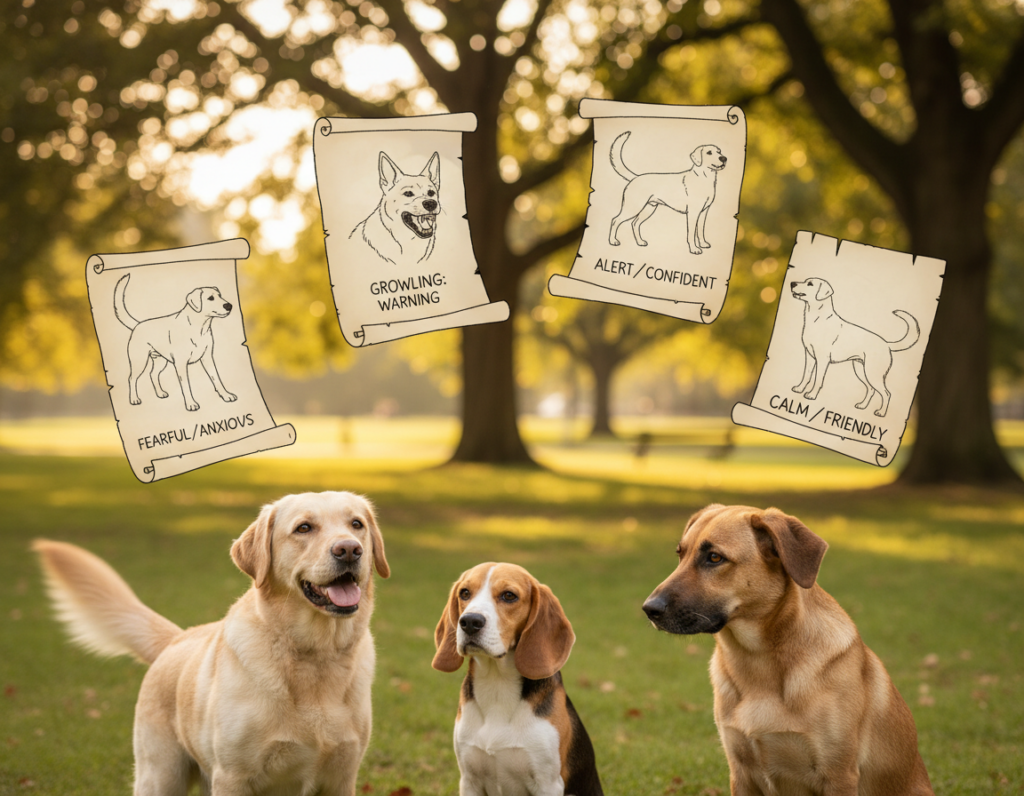
Every owner in the United States benefits from learning to read nonverbal cues. Humans spot a smile in an instant, but our pets rely on a wider range of quiet body language to share feelings and needs.
Pay attention to the whole body: posture, tail, eyes, ears, and movement all add meaning. A loose, curved posture usually shows ease, while stiffness and a fixed stare can warn of rising tension.
Reading these cues at the right time helps you respond before problems grow. Notice small acts—lip licking, yawning, or a turned head—and give space when needed.
To dig deeper into how to read the full body for safer interactions and stronger bonds, read more on reading the whole. Learning this silent language builds trust and keeps people and pets safer every day.
Understanding the Language of Silence
Watch how a pet arranges its posture and pace—those movements tell a story.
The language of body movement is a core way animals relate to people and other animals. When a companion can move freely, such as on a longer leash, his natural behavior shows up more clearly. Martha Knowles noted that extra space helps reveal authentic body cues.
Study the whole frame: tail, stance, eye focus, and breathing. These parts of the body form a consistent language you can learn to read.
Many animals depend on this nonverbal code because it developed long before human commands. Every subtle motion is a deliberate attempt to keep balance in a social group.
“Allowing natural movement turns vague behavior into a usable signal.”
- Letting a pet move authentically improves your ability to decode body language.
- Each small change often signals a need or an emotional shift.
- Recognizing this language alters how you train and interact.
The Role of Eyes in Silent Dog Communication Signals
Eyes often reveal tension or ease before the rest of the body reacts.
Reading eye behavior gives fast insight into mood and focus. The eyes are a key part of overall body language and help you judge a situation in real time.
The Meaning of Whale Eye
Whale eye—also called half moon eye—happens when the white of the eye shows at the edge. Martha Knowles defines this as pronounced visibility of the sclera and notes it often appears during anxiety or discomfort.
Identifying Hard Eye Contact
Hard eye contact is an intense, fixed stare that warns of rising tension. It is very different from soft, almond-shaped eyes, which mark a relaxed, neutral state.
- The eyes can reveal stress or focused attention in a tense situation.
- Use your hand to gently guide the animal’s gaze if you see hard eye contact.
- Watching eye changes helps you interpret the rest of the body and avoid conflicts.
“Almond-shaped eyes usually indicate a calm and neutral state.”
Interpreting Ear and Tail Positioning
Small shifts in ear angle or tail height often reveal more than a bark. The position of a dog’s ears and tail gives quick clues about confidence and comfort in the environment.
Raised hackles, or piloerection, happen when hair stands along the spine. Martha Knowles notes this as a clear body signal of tension.
Watch the whole body when you see those changes. A high, wagging tail often shows social interest. A low, tucked tail can mean the animal feels defensive.
Use your hand to check from a respectful distance. Extend it slowly to let your pet sniff if he chooses. This preserves trust and reduces stress.
- Observe ears for angle and position; they reveal focus and mood.
- Track tail carriage over time to establish a baseline for comfort.
- Combine ear and tail data with the rest of the body to read the larger language.
“Every signal from the ears and tail is part of a larger communication system.”
Decoding Subtle Body Posture Changes
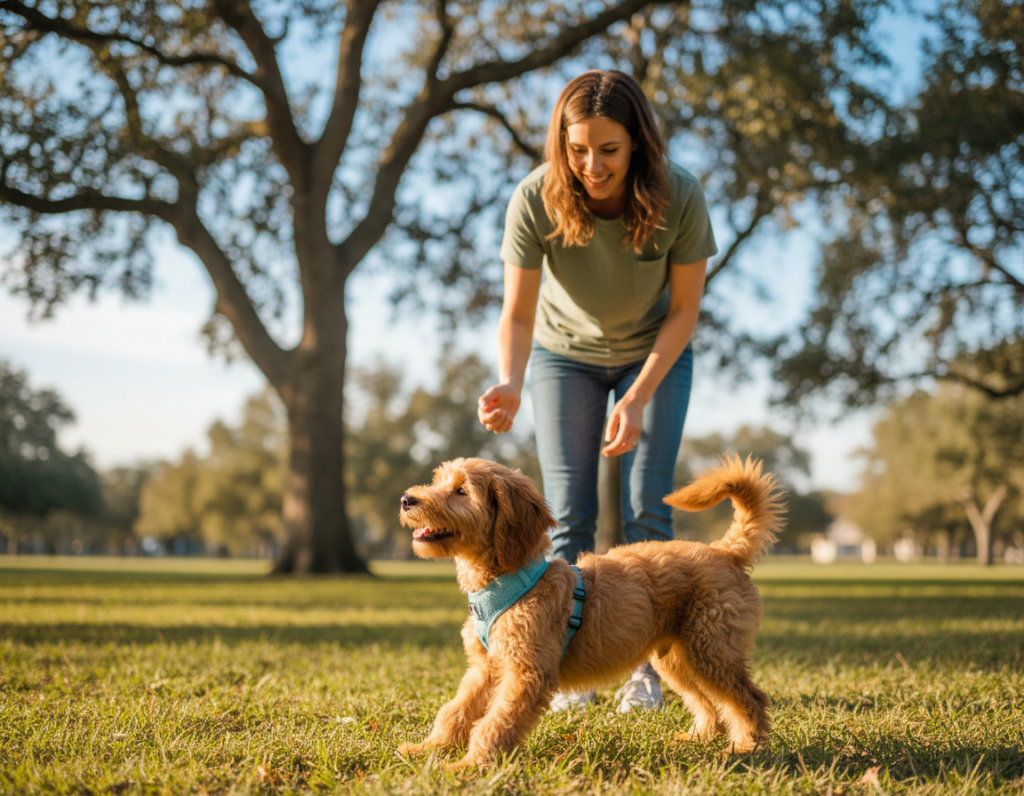
A slight change in stance is one of the clearest parts of animal body language. Watch how the body shifts in small ways during greetings or tense moments. These changes are rapid and purposeful.
Curving as a Calming Signal
Curving into a C-shape is a known calming gesture. Martha Knowles described this posture on July 30, 2019, as a polite way to avoid a head-on approach and ease social tension.
“Curving into a c-shape is used in polite greetings or as a calming signal.”
Lowering toward the ground can also de-escalate a moment of anxiety. Use your hand gently to guide an animal away from a stressor. That small touch often helps the body relax and change position.
- Curving avoids confrontational eye-to-eye approaches.
- Lowering toward the ground signals a desire for peace in that instance.
- Observing these posture changes over times helps you read the larger language.
- Use a calm hand to encourage a curve and reduce anxiety.
Recognizing Displacement Behaviors
A seemingly random scratch or sniff can be the body’s way of easing internal stress. Martha Knowles (July 10, 2017) defines displacement behaviors as normal actions shown out of context to deflect anxiety or frustration.
These actions are part of the animal’s body language. Out-of-context scratching was noted by Knowles on Dec 20, 2021 as a common example.
When a puppy or adult dog repeats an odd motion during tense moments, he is often managing conflicting feelings caused by people or the environment.
Recognizing these small signals helps you respond sooner. Use your hand gently to soothe and let the behavior pass when appropriate.
- Displacement behaviors are normal and easy to miss without observation.
- Context matters: note what happens right before and after the action.
- Seeing these signals lets you change the environment to reduce anxiety.
“Every displacement signal is a useful piece of information about what the animal feels in real time.”
The Significance of Mouth and Tongue Movements
The mouth and tongue often act as early warning signs of rising anxiety. These small motions are a clear part of overall body language and help you judge a situation quickly.
Lip Licking and Stress
Lip licking can calm or show worry depending on context. Martha Knowles noted on May 18, 2016 that a quick lick often serves as a calming gesture, while repeated licking can mark stress.
Watch the rest of the body and the eyes to tell the difference. Use your hand slowly and calmly to reduce tension if you see repeated licking.
The Meaning of a Yawn
Yawning outside of tiredness often defuses a tense interaction. Martha Knowles (July 30, 2016) described this as a calming action used in social moments.
“A spatulate tongue is indicative of stress and often follows panting.”
Martha Knowles, Aug 18, 2017
- Out-of-context mouth movements are part of the overall language the animal uses.
- Observe at different times to separate normal behavior from signs of anxiety.
- A gentle hand presence on the ground can help the animal relax in many situations.
Why Dogs Use Stillness to Communicate
A brief pause in movement can carry more meaning than many minutes of activity.
Stillness is a powerful signal that a dog uses to assess a situation. Martha Knowles noted on Apr 14, 2017 that freezing or stillness is a very clear sign that can go unnoticed because it is so brief.
By staying motionless for a few seconds, the animal can show intent or wait for a response from another dog or a person. That short pause is a part of overall body language and the wider animal language of interaction.
Recognizing this signal helps owners respond safely and with more empathy. Even when nothing seems to happen, that freeze is deliberate and full of meaning at the time it occurs.
- Stillness is an assessment tool used in social moments.
- The pause often precedes a choice—approach, retreat, or watch.
- Learning to spot freezes improves reading of the whole body.
“Freezing or stillness is a very clear signal that can often go unnoticed due to its brevity.”
To learn more about how to read calm and happy behaviors, see signs your dog is living a happy.
Benefits of Integrating Hand Signals into Training
Visual commands give a direct path to attention when voice cues get lost in the environment. Using simple hand gestures makes instruction clear and fast. Research shows some animals can learn up to 20 distinct hand cues, which greatly improves obedience and learning.
Enhancing Focus
Hand cues sharpen a pet’s attention by offering a consistent, visible target. Short, repeatable motions cut distractions during training and make it easier for the animal to follow the next step.
Strengthening the Human-Dog Bond
Working with hands requires shared focus. That mutual attention builds trust and makes the owner–companion relationship stronger. Clear, gentle gestures become a reliable way to express needs and praise.
Practical Advantages
Visual cues work at a distance and in noisy situations when voice commands fail. They also help in cases of hearing loss and in crowded spaces.
- Faster learning through consistent, visible signals.
- Better obedience with less verbal repetition.
- Safer control from farther away or across barriers.
“Every clear hand signal is a short, consistent way to tell your pet what you need.”
Establishing a Foundation for Non-Verbal Cues
Start training with clear, repeatable gestures before adding complex tasks. Pair each hand cue with a short verbal word so the dog can link the two. Dr. Julie Buzby recommends this pairing to speed learning and improve obedience.
Eye contact is part of the foundation. A brief look ensures your pet attends to your body language and the next signal you give. Keep sessions short and calm to build focus.
Use consistent hand shapes and the same timing. Consistency gives the animal a sense of predictability and reduces anxiety. This method works for puppies and older dogs alike.
- Start with one cue at a time to teach a dog a new behavior.
- Keep gestures simple and repeatable; repeat until the cue becomes reliable.
- Combine gentle touch and voice only after the hand cue is established.
- Good eye contact and timing make the language clearer for both owner and pet.
“Pairing a visual cue with a verbal cue creates a stronger learning pathway.”
Adapting Communication for Senior or Deaf Dogs
When hearing fades or movement slows, clear hand gestures become your primary tool for connection.
Start by making deliberate, visible motions that the animal can see from a short distance. Use simple, repeatable cues paired with gentle praise so the gesture becomes part of a positive experience.
Eye contact matters. For deaf companions, holding a soft gaze before a gesture helps focus attention and links the eye to the next cue. The Animal Cognition study found nearly 99% accuracy when dogs responded to hand cues alone.
Dr. Julie Buzby notes that deaf animals can learn up to 20 distinct hand cues, which makes training reliable and rich. Be patient; repetition and steady praise help teach dog new behaviors and strengthen the bond.
“Deaf dogs can learn a full set of visual cues with consistent practice.”
- Use dramatic but calm gestures to capture attention at a distance.
- Pair each hand cue with a consistent body language marker.
- Keep sessions short and repeat often to build confidence and skill.
Creating a Distraction-Free Environment for Learning
Remove interruptions and keep sessions short. Begin training in a quiet room so your pet can focus on your hand cues. Dr. Julie Buzby recommends this to minimize outside noise and make each practice a clear learning moment.
A calm space helps attention and lowers anxiety. When you control the environment, the learner can watch your body language and eyes without being sidetracked. This method works well for a puppy or a companion who gets overwhelmed.
Consistency and repetition in a quiet spot help the animal respond reliably to gestures. Reward correct behavior with praise so the training feels positive. Over time, introduce more complex situations to test obedience and focus.
- Use short practice times to build reliable cues.
- Keep the ground clear and remove sudden noises.
- Gradually add distractions once the animal responds well to hand signals.
Final Thoughts on Silent Canine Communication
Mastering simple gestures and calm timing makes everyday interaction more reliable. Use clear hand shapes in short practice sessions so commands become familiar during play and routine.
Observe how each small change in stance or movement shapes behavior and lets you respond with calm praise. Consistent training helps your pet learn expectations and feel secure.
When you teach dog new cues, keep sessions brief and repeat often. Every deliberate hand cue and kind word is an opportunity to strengthen the bond and improve daily life through patient, positive training.