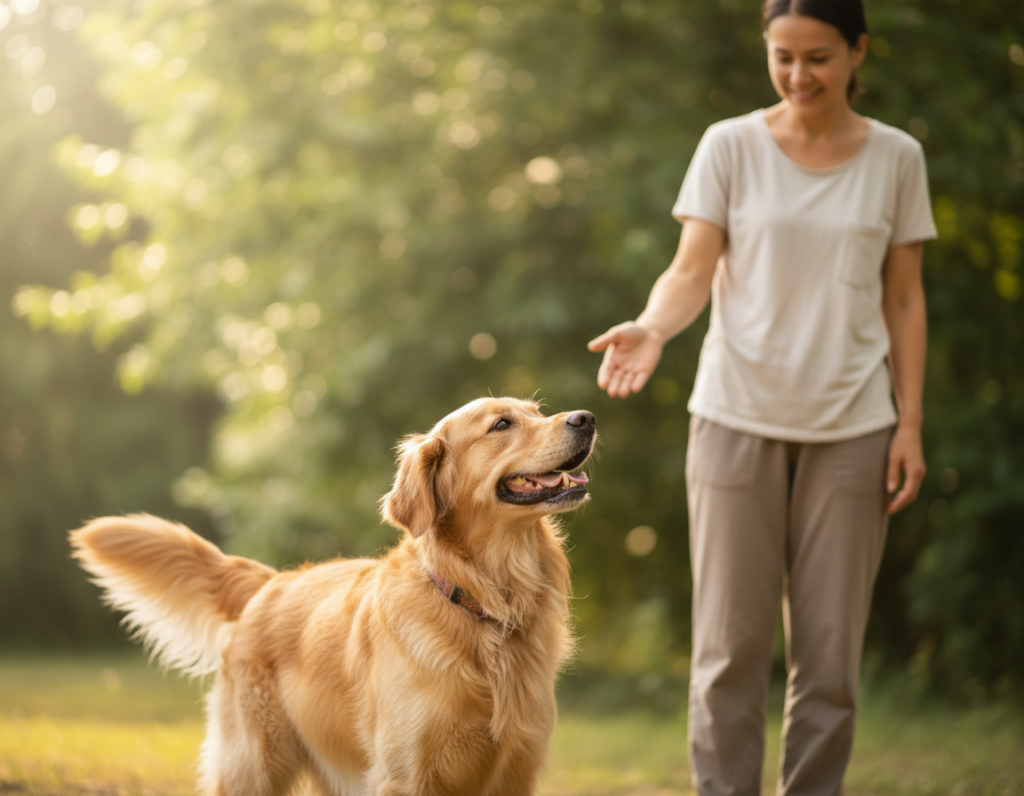
dog rolling on back meaning can surprise owners. This simple action has layers: comfort, play, stress relief, itch scratching, temperature control, or scent masking. Context and the animal’s full body language answer what the move truly signals.
This introduction sets a clear goal. Read on to learn how to read posture, face cues, and situation before assuming a belly rub is welcome. The post focuses on practical interpretation and signs to watch.
We will outline main categories: communication and consent, play strategy, fear and anxiety, skin or medical issues, and environmental scents. Understanding these reasons helps explain why this habit is so common and often misread when pets expose their vulnerable sides.
Consider a quick scenario: one animal flops at home for attention while another rolls at a busy park to avoid conflict. Same act, very different intent. Context plus the full body language package gives the most accurate read.
Note: This article is informational and not a substitute for veterinary care or professional behavior support when red flags appear.
Why Dogs Roll on Their Back: What This Common Behavior Can (and Can’t) Tell You
A single belly show can mean many different things depending on who, where, and what happened just before. Context shapes whether the action is social, practical, or habitual. Read posture, face, and what happened just before the flip to avoid misreading intent.
Why context matters more than a single gesture
Location changes signals: home comfort often differs from park stress. Who is nearby matters too—trusted humans and familiar dogs create different responses than strangers.
Timing is key: a roll after play differs from a roll following a loud noise or a scolding. Look for immediate triggers to interpret the move.
Rolling over as communication vs. simple comfort
Social signals include appeasement, play invites, or boundary-setting. Non-social motives include cooling off, scratching an itch, or stretching.
- Can hint at: comfort, submission, play, or discomfort depending on other cues.
- Can’t confirm: consent to touch without relaxed posture, loose face, and inviting movement.
Dog language is a package—posture, movement, facial expression, and environment together. Some animals just habitually flop, so frequency alone is not a clear problem. Patterns plus body signals reveal the true story.
Next, you’ll learn how to read the full body language package step-by-step.
Dog Rolling on Back Meaning: Reading the Full Body Language Package
Start with a quick scan: posture, face, and movement tell the story. A relaxed, loose body with soft eyes usually signals comfort and trust. An open mouth or a tongue lolling can mean the animal is happy and may welcome gentle contact.
Loose, wiggly posture and relaxed face
Look for: loose muscles, relaxed breathing, soft eyes, and wiggly movement. These are the green-light signs that a belly flip is friendly.
Stiff body, pinned-back ears, and wide eyes
Warning signs: a frozen or stiff body, ears flattened, and wide eyes suggest fear or high stress. Avoid touching when these signs appear.
Head turned away, tense legs, and “don’t touch me” cues
A turned head, tucked or tense legs, or trembling are clear requests for space. Respect those signs to prevent escalation.
When rolling over is meant to de-escalate conflict
“Rolling can be an appeasement move to calm a tense moment, not an invitation for petting.”
- Pause and scan: body, eyes, ears, legs, and breathing.
- Act: pet only if signals stay relaxed; otherwise give space.
When It’s About Attention: Belly Rubs, Trust, and Happy Greetings
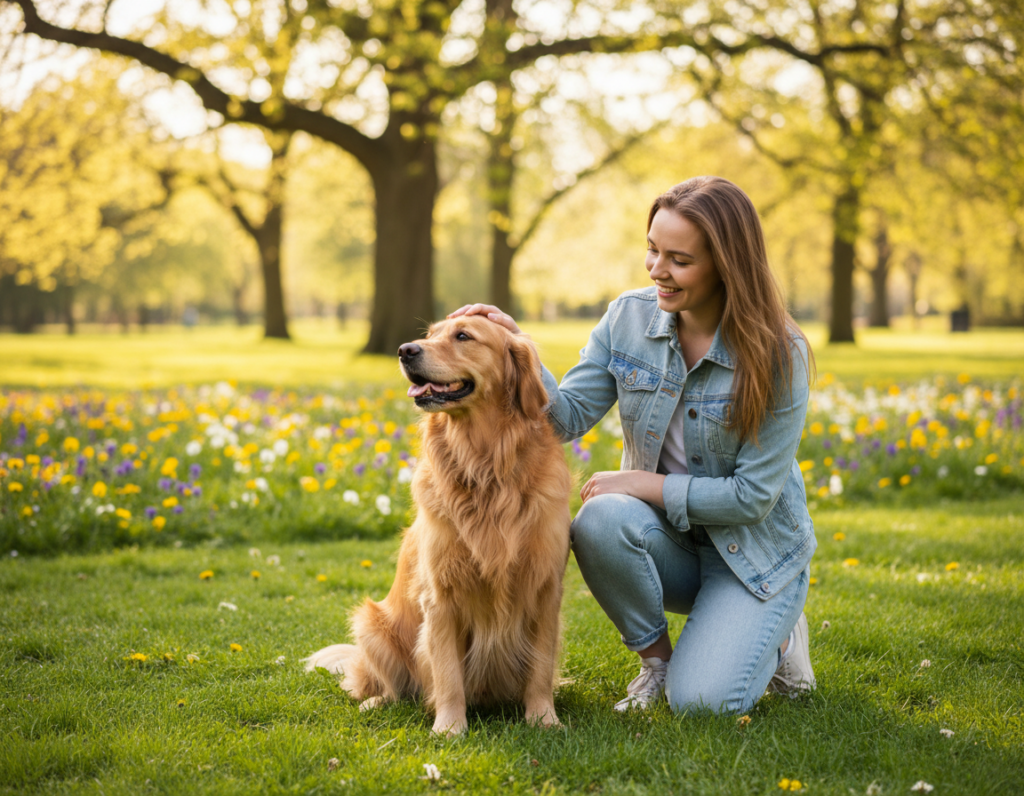
Many pets flip to expose their belly when they want attention or a friendly scratch. This gesture often arrives with loose movement, soft eyes, and an open mouth that say, I mean no harm.
The classic request and how to confirm consent
The familiar flop with paws up is a common attention-seeking act. Start with a gentle 2–3 second scratch on the mid-belly area, then pause and read the response.
Why not every animal loves belly rubs
Myth: all pets enjoy full-contact belly time. In reality, some tolerate touch rather than enjoy it, especially when pressured. Respect matters more than assumption.
How to offer gentle scratches and reassess
Use slow movements, avoid looming, and apply light pressure. Stop frequently to check comfort.
- Yes: loose body, relaxed face, stays in place, re-offers belly.
- No: stiffening, turning head away, tense legs, narrowing eyes.
“Respecting a pet’s boundaries during belly displays builds trust and reduces defensive reactions later.”
| Step | Action | Signs to Watch |
|---|---|---|
| Approach | Move slowly, crouch to side | Soft eyes, wag, loose body |
| Test | 2–3 seconds gentle rub | Stays relaxed, leans in |
| Reassess | Pause and read cues | Stiffness or turning = stop |
Playtime Rolling: Invitation, Self-Handicapping, and Tactical Advantage
During play, a belly flip often works as a clear play signal that invites interaction without threat. When paired with loose movement and a bouncy attitude, the move reads as friendly and eager for more fun.
Friendly invite and fair-play tactics
A roll onto the side or belly can be an explicit invitation when the body stays loose and the mouth looks relaxed. Larger animals use this to level the field so pups or smaller partners can join safely.
Self-handicapping and self-takedowns
Researchers, including Alexandra Horowitz, describe “self-takedowns” where a bigger playmate deliberately lowers itself. This way of easing intensity keeps games going and prevents hurt feelings.
Wrestling moves and tactical rolls
During roughhousing, a quick roll can help evade a nip or set up the next playful pounce. That makes a dog roll part of the strategy, not automatic submission.
- Play-safety checklist: play bows, open mouths without tension, role reversals, and regular pauses.
- Tell “just fun” if both players stay loose and re-engage. Stop play if pinning becomes one-sided or a partner freezes.
“If arousal spikes, call a brief break—scatter treats or separate briefly to reset the mood.”
Fear, Anxiety, and Boundaries: When Rolling Over Means “Please Stop”
A sudden flop in an unfamiliar environment can act as a polite pause button in tense moments. In busy dog parks or near strangers, that action may be a clear attempt to avoid conflict rather than seek attention.
Key signs to read with a fearful roll include trembling, a tense or stiff body, a turned head, pinned-back ears, wide eyes, and even stress-related urination. These are not invitations; they are requests for space.
Ignoring these cues can backfire. A pet that feels trapped may escalate to growling or snapping when a gentle “no” is treated as permission. Respecting the signal prevents harm and builds trust.
Immediate steps: stop reaching, turn your torso sideways, lower eye contact, and calmly call your dog away. Create distance and reduce activity until the animal relaxes.
For the long term, use confidence-building games, gradual desensitization, and counterconditioning. Limit crowding, avoid rough handling, and provide a clear exit like a crate or quiet room. If fear responses are frequent or serious, seek a credentialed trainer or behavior consultant.
Itch Relief or Medical Issue: Rolling Around to Scratch an Unreachable Spot
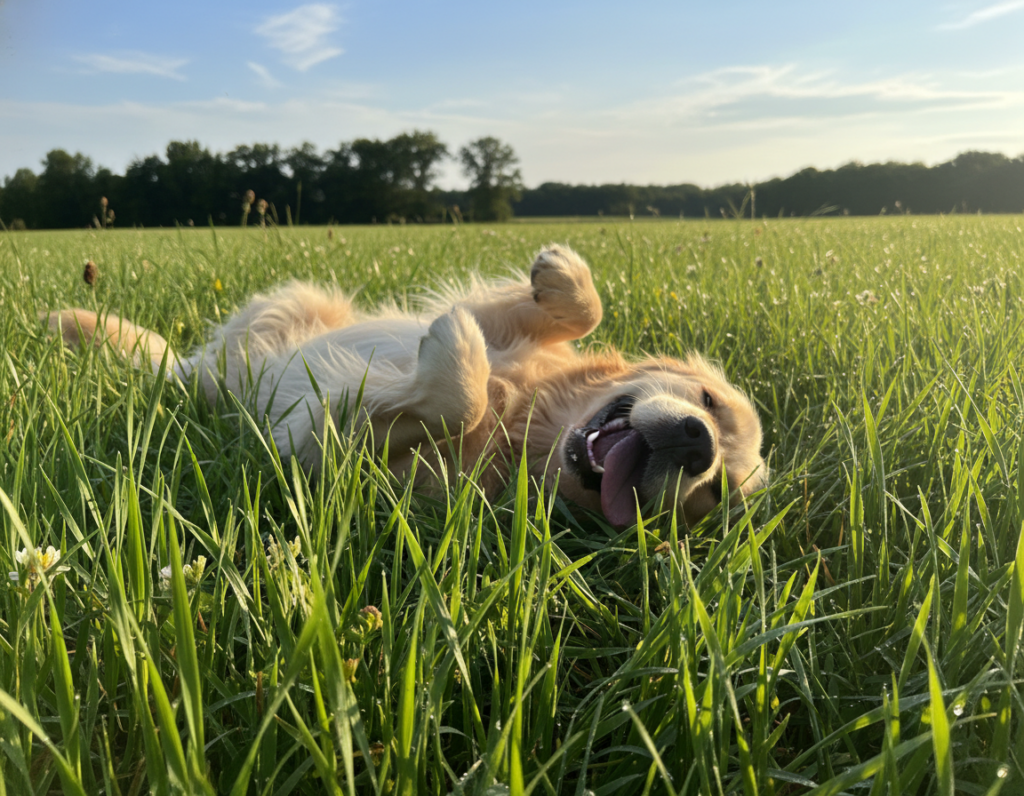
Sometimes a simple roll into the grass is just a mechanical way to reach an itchy spot that paws can’t. Many pets press their sides against turf or carpet to rub an itch in a place they cannot reach. This motion can relieve mild irritation quickly.
How rubbing helps and when it’s normal
The textured surface acts like a brush. Friction loosens flakes and soothes a localized itch. Occasional rubbing after a walk or grooming is usually harmless.
Red flags to watch during coat checks
- Excessive episodes: daily or nonstop attempts to scratch itch.
- Visible skin changes: rash, redness, scabs, hair loss, or inflamed hot spots.
- Behavioral signs: restlessness, sleeplessness, or distress while trying to scratch.
Common culprits and when to call a vet
Vets and behavior pros often find fleas, other parasites, allergies, or bacterial skin infections behind persistent scratching. If episodes repeat daily, sores ooze, smell foul, or the pet seems miserable, contact a vet promptly.
An exam can rule out parasites versus allergy flares and detect infections early. Early treatment prevents painful hot spots and chronic problems.
Short-term care: keep bedding clean, avoid harsh shampoos, and block excessive licking until the appointment. For more on persistent itch problems, see itchy dog.
Scents and the Environment: Masking Smell, Marking, and Rolling in Stinky Stuff
Scent is a primary language for dogs, and rolling often serves as a way to trade, hide, or spread information. Their noses read far more than our eyes, so smells shape choices in the park and at home.
Canine cologne explains why some animals deliberately wear strong odors. Breeds with high prey drive—terriers, hounds, retrievers—may mask scent as an inherited tactic or simply to show others what they found.
Theories and scent messaging
- Mask scent: a predator-hide idea carried from wolf ancestors.
- “Look what I found”: bringing a message back to the group via scent.
- Territory-style notes: rolling can deposit chemicals that act like small scent marks.
Sometimes the action is practical: to remove a stinky or irritating substance from the coat. That quick rub can solve an itch or clear a bothersome odor.
“A nose 300x more sensitive than ours makes scent a major currency in canine life.”
| Why | What it does | Owner tip |
|---|---|---|
| Mask scent | Hides original odor under stronger smells | Leash in high-risk areas; train “leave it” |
| Scent message | Leaves information for others | Allow sniff breaks; monitor interactions |
| Remove stink | Clears irritants or bad smells | Use pet-safe wipes or rinse-only wash; check skin |
Quick hygiene plan: keep wipes handy, teach redirection via sniff games, and inspect the coat after a roll in unknown substances.
Conclusion
Understanding this posture helps you respond with calm and care. A single flip can point to comfort, play, cooling, itch relief, or a request for space. Read the whole body for the true signal.
Two broad buckets help: relaxed, loose rolls usually show trust or invitation; stiff, tense rolls often reflect stress, fear, or boundary-setting.
Always ask for consent before touching. Pause, test a brief touch, and stop if the animal turns away, stiffens, or trembles.
If frequent rubbing or redness appears, seek veterinary advice. For more on these common actions and their causes, see why dogs roll on their back.
Practical takeaway: watch context and whole-body cues to build trust and protect physical and emotional health.