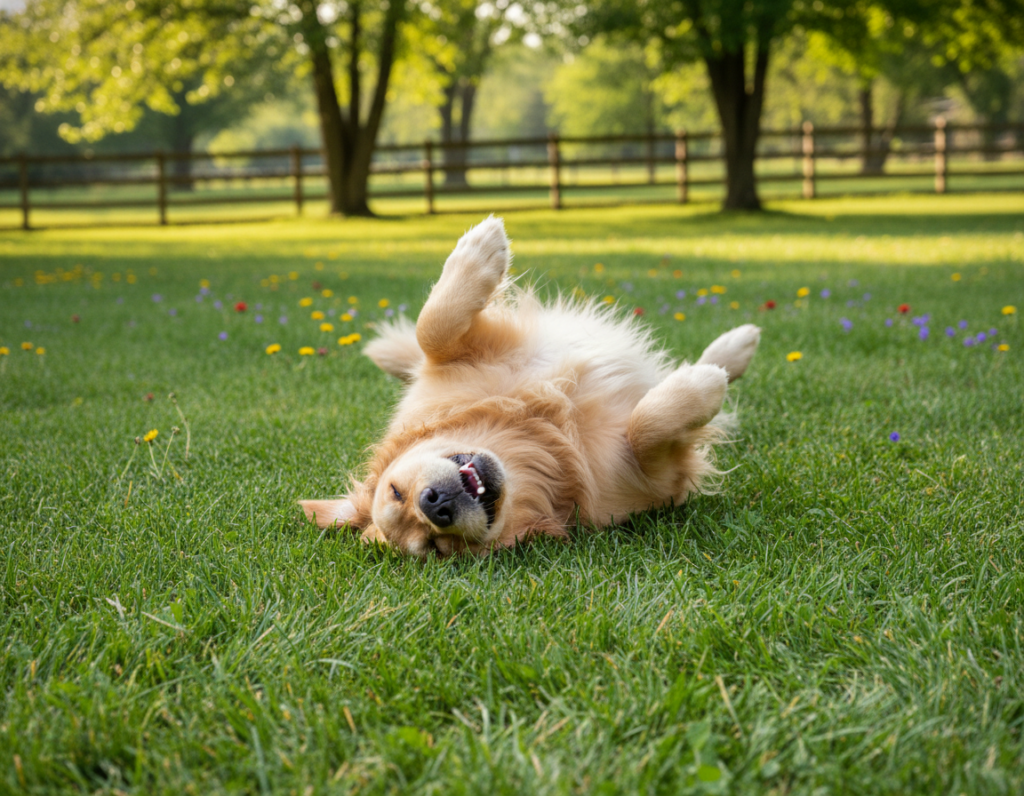
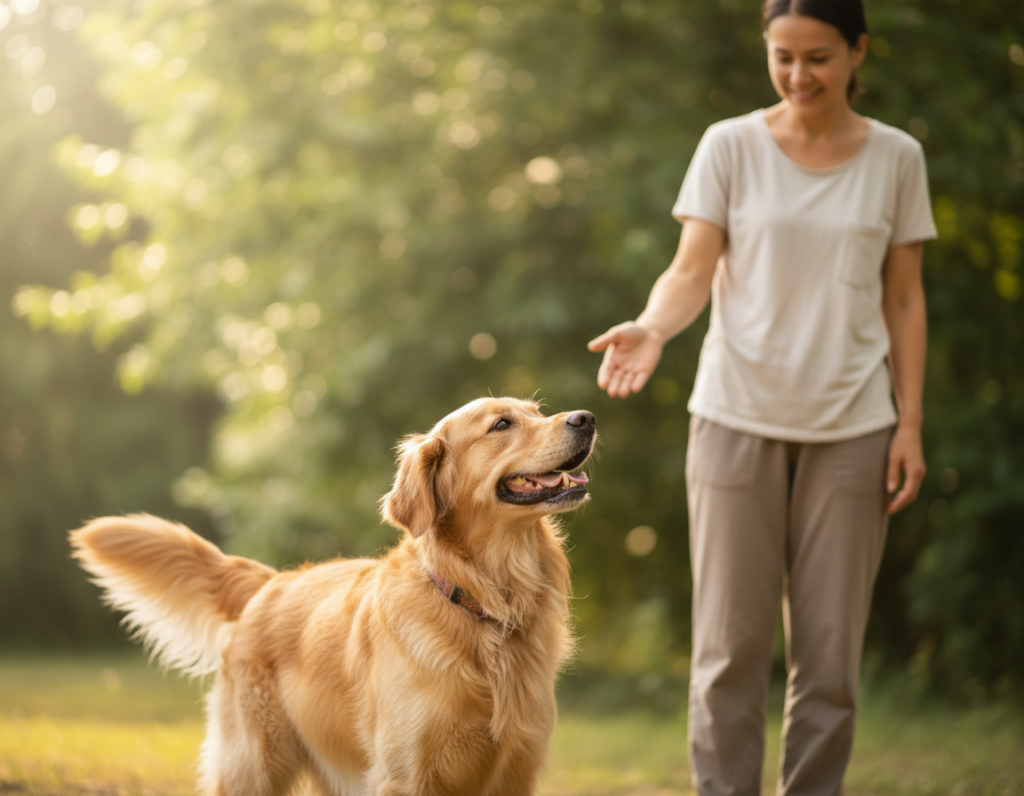
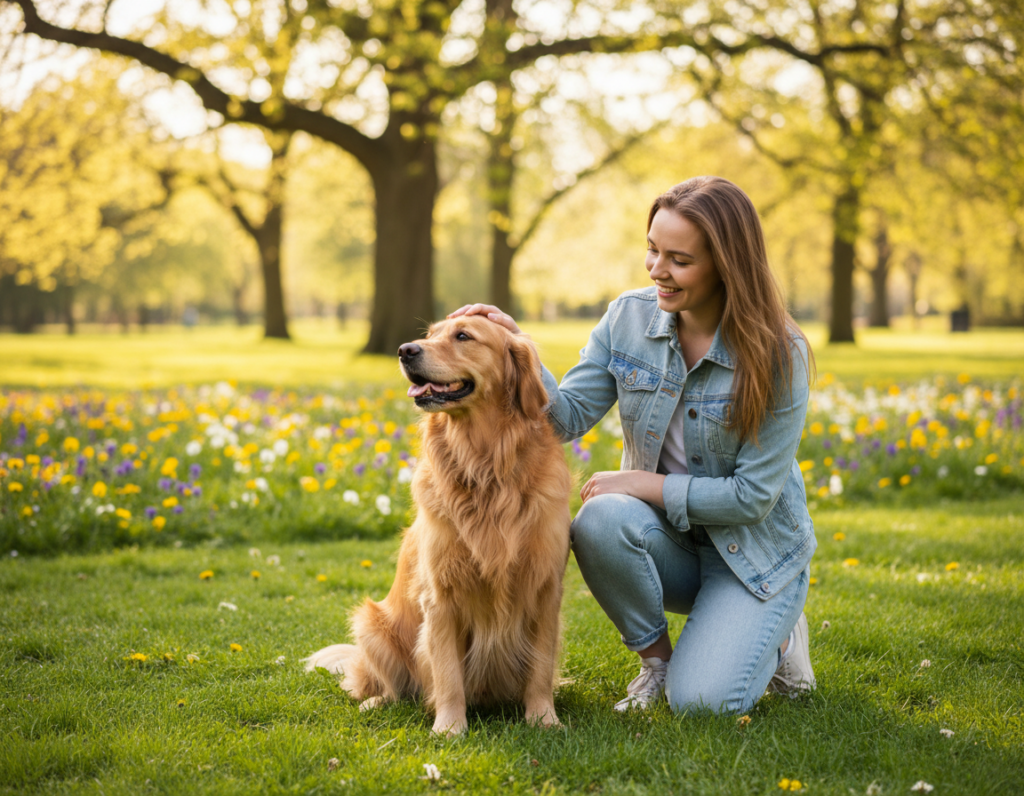
This section explains common reasons for a pet’s lick and what it really signals. Many people assume each lick is a kiss, but context changes the meaning. Simple cues—time of day, who is present, or a treasured object—shift intent quickly.
Puppies learn this early from their mother as a form of care and social calming. In adults, a lick can show affection, ask for attention, groom, explore taste, or signal stress. Biology matters: licking can trigger endorphins and dopamine, which calm and reinforce the act.
What this guide will cover: clear explanations of meaning, why dogs target specific spots, when a lick is a warning sign, and quick, humane steps owners can use now and over time. If licking becomes sudden or extreme, consult a veterinarian or a qualified behavior professional.
What Dog Licking Behavior Means and Why It’s So Common
A tongue is one of a canine’s primary tools for exploring people and places. It serves many simple jobs: social signaling, grooming, checking scents, and sampling salty or tasty residues. These quick acts pack a lot of information into a small gesture.
Licking as a natural tool for communication and exploration
Dogs use tongue contact to interact with the world. After a sniff, many will lick to enhance scent information or to taste something that smells interesting.
Why it can feel soothing
Licking releases endorphins and dopamine. These chemicals calm the animal and make the action self-rewarding.
This helps explain why some dogs repeat the action when they want comfort or attention.
How early life shapes later habits
Mothering and littermate interactions teach a pup that tongue work gets responses—cleaning, stimulation, and safe social contact.
That early learning makes similar acts common in adult dogs, especially during uncertain social moments.
- Quick tip: Normal licking is common and usually harmless.
- Watch for signs it becomes a problem: high frequency, hard to stop, or paired with stress signals.
How to Tell Affectionate Licking From Communication Signals
Watch timing, tempo, and posture to read the message. A quick, excited mouth contact right after you return or wake up usually reads as a friendly greeting. Slow, deliberate contact around the mouth often points to scent or care motives rather than a kiss.
The friendly greeting pattern
Look for rapid, social contact. If a dog chooses to approach and then licks quickly, it is often saying hello. This commonly happens after separation and lasts only a few seconds.
Why mouths and lips attract attention
Morning breath and leftover food create strong smells. Many dogs sniff first, then lick slowly at the face or lips to sample those scents.
In some cases the same slow action targets wounds or sticky areas; context matters.
Mutual grooming and bonding
Licking can mirror grooming seen in wild canids. Pups once licked a returning mother’s muzzle to get regurgitated food. Today, that muzzle-lick pattern can persist as a ritualized greeting or social care.
Quick litmus test: did your dog approach you freely, or did the contact start while you handled them? Use that to decide if the act is affection or a different signal.
Why Dogs Lick Specific Body Parts Like Hands, Face, Ears, Feet, and Legs
Human skin and the things on it—sweat, food traces, soap, and tiny microbes—create strong scents that invite close-mouth investigation. These spots act like scent maps that tell a companion where you’ve been and what you handled.
Hands: a living roadmap
Palms collect salt and scents. After cooking, touching other people, or being outdoors, hands hold clues. A quick mouth contact can be an information check, not just affection.
Face: glands and leftovers
The face has glands and food residue near the lips and mouth. That makes cheeks and lips high-value targets for tasting and ritual greeting.
Ears: secretions and social trust
Ears produce apocrine secretions and earwax from ceruminous glands. These odors are natural attractants and often trigger mutual grooming because the area is socially vulnerable.
Feet and toes: salty and reinforced
Soles have eccrine sweat that tastes salty. Quick laughs or pushes from owners often reward the act with attention, which can unintentionally reinforce repeat contacts.
Legs: scents from daily care
Shower droplets, scented soaps, lotions, and post-exercise salt all make lower legs interesting. Small nicks or residues can focus inspection on a specific spot.
- Pattern spotting: note when the contact happens—after meals, workouts, or grooming—to identify triggers.
- For more detailed causes and practical tips, see this guide on reasons for this action.
When Licking Is a Polite Warning: The “Please Stop” Lick and Bite-Risk Contexts
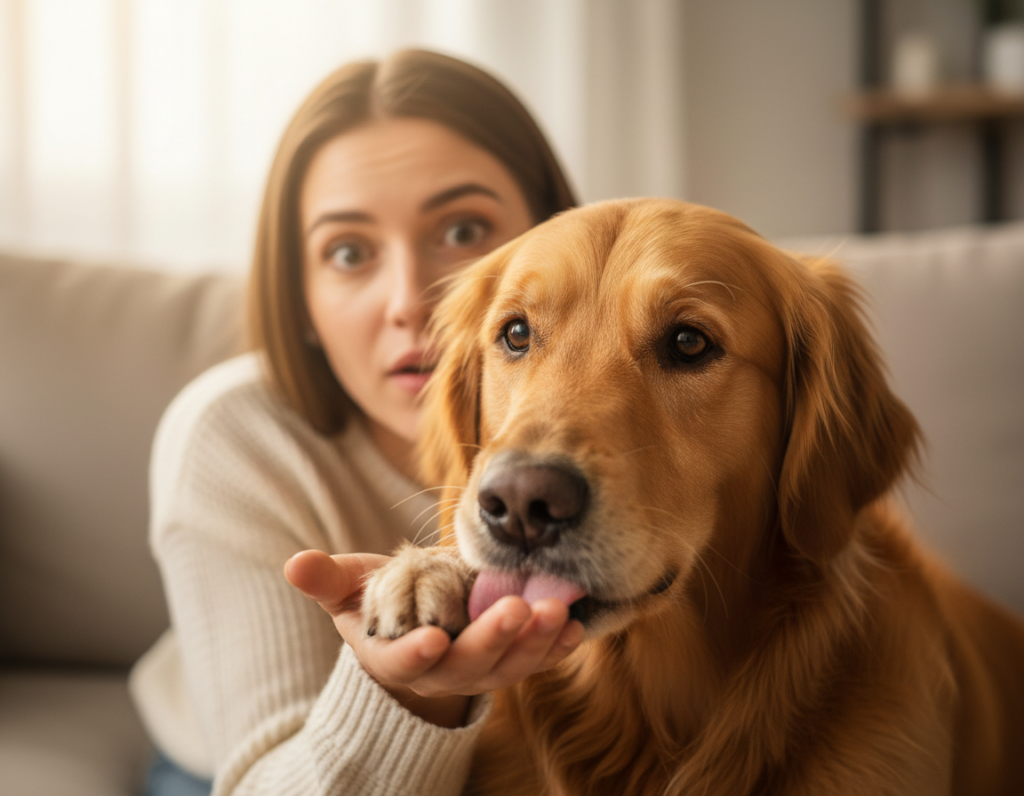
A slow, sustained mouth contact can be a polite request to stop an uncomfortable touch. It often appears while a person is handling or restraining the animal.
What it looks like: the contact is slower and longer than a quick greeting. It usually targets the hand doing the touching, not the face or clothing.
Handling that commonly triggers this signal
- Children grabbing paws or toenails
- Grooming tasks: brushing, clipping, mat removal
- Ear cleaning, nail trims, or approaching with tools
- Resource guarding around bones, toys, or food
How escalation happens and why punishment backfires
When the early warning is ignored, many animals learn stronger actions that stop the contact. They may move away, growl, snap, or bite.
Safety note: mistaking this signal for affection can leave a person vulnerable. Harsh punishment can hide growls and increase bite risk.
| Signal | Typical Context | Possible Next Step |
|---|---|---|
| Slow mouth contact | Handling by a person | Stop and reassess |
| Turn away / leave | Uncomfortable grooming | Offer pause and reward |
| Growl / snap | Ignored warning | Seek professional help |
If this signal appears often, or if there are signs of anxiety, pain, allergies, or other health issues, consult your vet and a qualified behavior expert.
How to Respond in the Moment When Your Dog Keeps Licking
When mouth contact keeps happening, the first step is to quietly scan the scene for triggers. Note what happened just before: did you finish a meal, return from outside, or start handling the pup? A quick read of the environment helps you avoid mislabeling the act as just a kiss.
Pause and assess
Checklist: what came right before the action; is the animal being touched; is food or a toy nearby; can it choose to leave?
Immediate safety steps
If the contact seems like a polite “please stop” warning, stop handling, give space, and calmly step back. Do not force tolerance. This reduces escalation and lowers the chance of a bite.
Redirect without punishment
Swap the lick for an incompatible action such as “sit,” “go to mat,” or fetch. Use brief training or a quick game to change focus. Offer praise and a small reward using positive reinforcement so the new choice is attractive.
Provide an appropriate outlet
Offer enrichment: food puzzles, treat scatters, or a short training drill can shift anxious or bored mouths. Lick mats work well—spread a thin layer of xylitol-free peanut butter or plain yogurt and let the pup calm down in a safe way.
- Remember: avoid yelling, pushing the face away, or physical corrections; these raise anxiety and can hide warning signs.
- Repeated mouth contact often follows attention. If eye contact, laughter, or talking reward it, you may unintentionally reinforce the pattern.
- For more on excessive oral grooming and when to seek help, see excessive licking, chewing, and grooming.
How to Reduce Problem Licking With Positive Reinforcement and Counterconditioning
You can teach calm responses by linking handling to tasty rewards. Start with tiny steps and keep sessions short. Consistent, gentle practice changes emotional response over weeks.
Pair touch with food: building a positive association step-by-step
Begin without pressure. Reach toward the body part. If the animal stays relaxed, touch briefly, mark the moment, and give a small high-value treat.
If there is concern, stop at reaching without contact. Repeat until the reach is neutral, then slowly add touch.
Add grooming tools gradually
Follow this order: tools visible → pick up tool → move tool near the body → light touch with tool → full use. Always feed or bridge when discomfort appears. Progress may take weeks.
Go slow for sensitive zones
Paws, ears, mouth, and hindquarters often trigger a “please stop” warning. Use higher-value rewards and halve the step size for these areas.
Prevention plans for homes with babies and toddlers
Manage interactions with gates and safe zones. Teach children gentle touch rules and supervise every encounter. For gear tips, see the grooming gear guide.
| Step | Action | Reward |
|---|---|---|
| Start | Reach without touch | Tiny treat, praise |
| Progress | Brief touch + mark | High-value treat, calm praise |
| Tools | Tool near → light touch | Feed during contact |
| Maintenance | Random short practice | Occasional reward |
Medical triage: if licking becomes sudden, intense, or focused, consult your veterinarian to rule out pain, allergies, infection, or GI issues before treating the issue purely as training. For prior snaps or escalating anxiety, bring in a certified expert.
Conclusion
Most mouth contact from a pet is normal and often signals greeting, curiosity, or care. Context matters: who started the contact, whether the animal can move away, and what happened just before the moment all change the meaning.
Remember the safety sign: slow, persistent contact during handling commonly asks for space. Respecting that cue prevents escalation to growling or a bite.
Use humane fixes: redirect with a short game, offer enrichment like a lick mat, and build tolerance through gradual training and counterconditioning. If contact becomes excessive, tied to anxiety, or suggests pain, see a veterinarian first, then a certified expert for behavior support.
Most of these actions are normal. With simple observation, management, and gentle training, owners can keep interactions safe and comfortable for both pet and people.