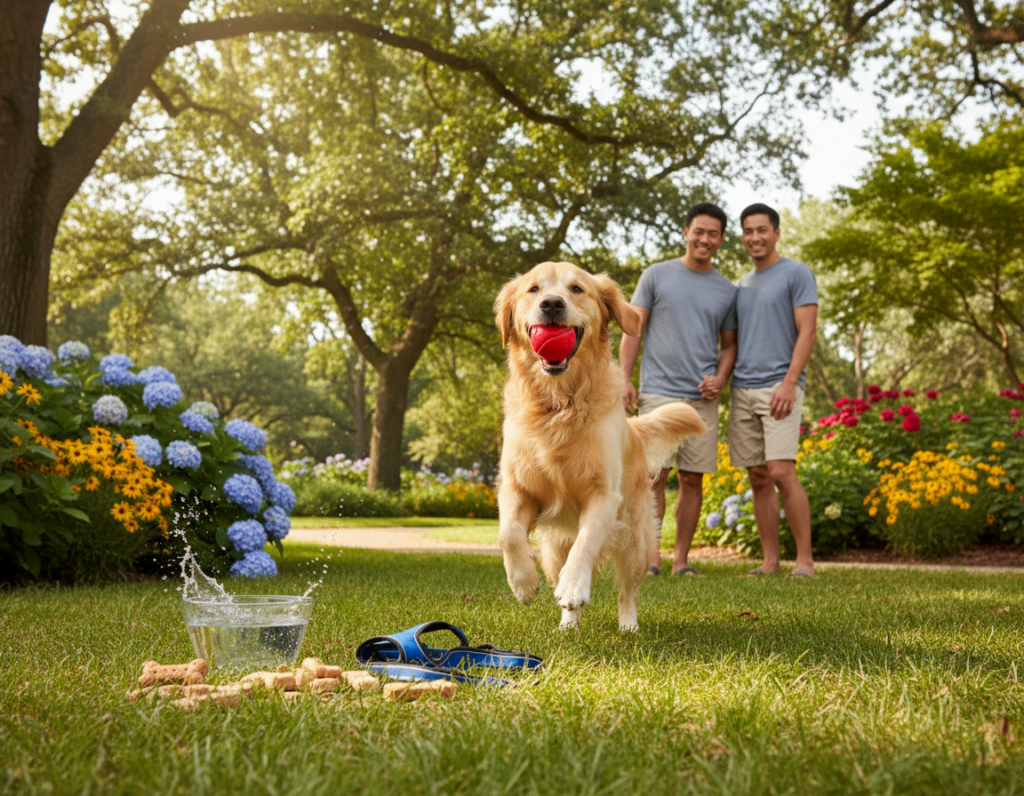
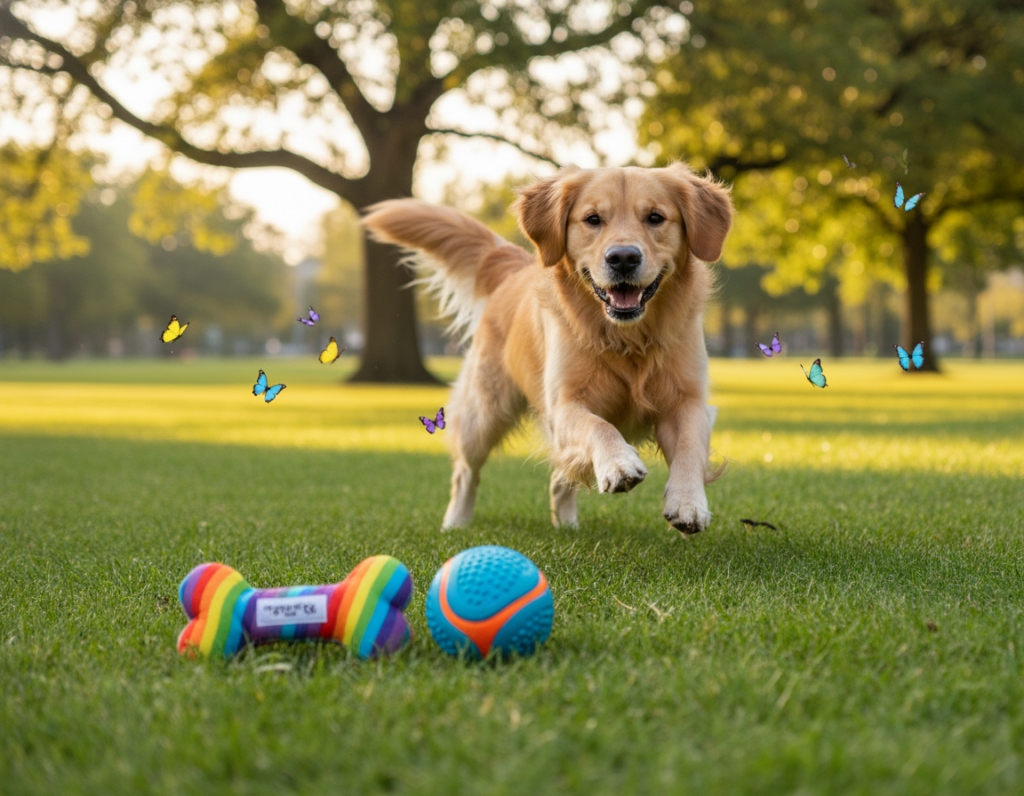
Building trust and a strong bond is an ongoing process, whether you have a playful puppy or an adult companion. Small, consistent actions—shared routines, short training sessions, and calm downtime—create a safe, predictable rhythm.
This section defines what bonding looks like in everyday life: a two-way relationship based on trust, clear signals, and positive moments rather than perfection. Expect steady progress from repeated patterns, not one dramatic event.
We’ll preview practical ways to try now: reading body language, reward-based training, regular walks, play, grooming, giving personal space, and enrichment. These steps help deepen the connection and improve the relationship over weeks.
Why it matters: positive, predictable interactions increase safety and wellbeing. Harsh methods can weaken trust, while consistent kindness and clear communication strengthen the bond and reduce stress for both caregiver and animal.
Why a Strong Human-Dog Bond Matters for Everyday Life
Strong ties between a family and their canine companion pay off in practical ways every day. Good rapport makes routine care—grooming, vet visits, and house rules—easier and safer for everyone.
How connection supports mental and physical well-being
Research links pet ownership to better physical and mental health. Regular walks, play, and calm interactions lower blood pressure and reduce anxiety for people. Dogs benefit too: consistency improves behavior and overall wellbeing.
How a weak relationship raises stress and caregiver burden
When signals are misread, chores become conflicts. A strained relationship can turn care into a daily source of stress and resentment. Over many years—often 15+—that strain adds up.
- Predictable routines increase safety and cooperation.
- Rebuilding trust lowers emotional load and improves family life.
Understand Your Dog’s Body Language to Build Trust
Watching how a dog holds its head, ears, and tail gives immediate clues about intent. Read signals early so you can act before a situation becomes stressful.
Reading posture, ears, tail, and eye contact in real time
Observe posture: a tall stance, head up, and forward ears often mean confidence. A lowered head, turned-away ears, and tucked tail usually show anxiety.
Look at eye contact: direct stare can be alert or focused; soft, blinked eyes suggest relaxation. Avoid guessing—combine cues for clarity.
What barking and growling can mean beyond “bad behavior”
Barking and growling sit on a communication spectrum. A rapid, high-pitched bark may say “greeting” or “excitement.”
Growling often signals discomfort and a request for space. Respecting that message protects trust and prevents escalation.
“Growling gives you the chance to change the situation before things get worse.”
Respecting comfort zones with new people, sounds, and situations
Let others approach slowly and give distance when a dog shows stress. For loud noises or new places, reduce pressure and increase space.
- Pause, step back, and lower activity when signals show unease.
- Reward calm moments so calm behavior repeats.
- Note patterns by age, breed, and past experience; adjust expectations to match needs.
For a deeper guide on signs and simple steps to help a dog feel comfortable, see how to read body language.
Bonding With Your Dog Through Positive Reinforcement Training
Positive reinforcement turns training into a shared language of clear signals and rewards. Short, upbeat sessions build trust and make rules predictable. This approach helps a puppy or adult learn what earns praise and what to expect next.
Why reward-based training strengthens communication and confidence
Rewards create clarity: when good choices lead to treats, toys, or praise, the animal understands cause and effect. That reduces confusion and increases calm cooperation.
Simple cues and fun tricks to teach in short, upbeat sessions
Start with easy commands like “sit” and “stay.” Move to practical skills and fun tricks once reps are easy. Keep sessions under 10 minutes and stop while success rate is high.
Rewards that work: treats, toys, praise, and attention
| Reward Type | Best Use | Example |
|---|---|---|
| Small training treats | High-value, quick reinforcement | Bil-Jac soft treats |
| Favorite toys | For play-motivated learners | Tug toy or ball |
| Praise & attention | Low-calorie, frequent reward | Verbal praise, petting |
Why punitive methods can damage trust and increase anxiety
Punishment often backfires: spraying water or yelling can cause fear and worse behavior over time. Consistent positive feedback keeps stress low and learning steady.
- Capture calm behavior and reward it.
- Reward check-ins when the animal looks to you.
- Stay consistent: short daily sessions beat long rare ones.
“Positive reinforcement builds a reliable line of communication and steady confidence.”
Create a Routine That Helps Your Dog Feel Secure at Home
A steady day-to-day rhythm helps a dog settle into life at home. Predictable meal times, potty breaks, and play make expectations clear. That clarity reduces stress and helps the animal relax.
Consistency signals safety: when events happen at the same time each day, the pet learns what to expect and when to expect it. This is vital for a puppy and for newly adopted animals adjusting to change.
Predictable meal times, potty breaks, and play sessions
Core anchors: set set meal times, short walks or bathroom breaks after sleep, and two or three play sessions spaced through the day. Keep sessions brief and positive so rules are easy to follow.
Using consistency to reduce anxiety and prevent confusion
Consistency lowers stress and cuts down on attention-seeking or destructive behavior. When needs are met reliably, the animal checks in less and rests more.
| Anchor | Best timing | Quick example |
|---|---|---|
| Meals | Twice a day or as vet recommends | 7 AM and 6 PM feeding |
| Potty breaks | After waking, meals, and before bed | Outside within 10 minutes of each event |
| Play/walks | Morning, midday, evening | 15–30 min walk; short play sessions |
| Calm time | After activity and before sleep | Chew toy or puzzle for quiet enrichment |
Handle disruptions by keeping a few constants: a short walk, a favorite chew, or a quiet enrichment task. These anchors keep the routine recognizable even on odd workdays or trips.
For step-by-step guidance on building a steady schedule, see this helpful routine for pets.
Spend Quality Time Together With Play That Fits Your Dog’s Style
Choosing games that match an animal’s instincts makes quality time more rewarding. Short, focused sessions deliver attention, exercise, and predictable interaction. That steady pattern improves the bond over weeks.
Interactive games: fetch, tug, and hide-and-seek
Fetch suits chasers. Tug serves tuggers who love close contact. Hide-and-seek helps sniffers and puppies use scent and problem solving.
Simple rules: stop play if teeth touch skin, ask for a sit before resuming, and use a release cue for safety.
Mental stimulation with puzzle toys and quick “brain breaks”
Rotate toys to keep interest high. Puzzle feeders, snuffle mats, and short training breaks prevent boredom-driven behaviors.
Turning play into learning: practicing “drop it” and “touch”
Use tug to practice drop it by swapping for a treat. Teach touch as a fun targeting game to build focus.
- Match activities to style: chaser, tugger, sniffer, problem-solver.
- Keep sessions under 10 minutes for puppies and adults.
- Rotate toys and games to sustain engagement without overwhelm.
Exercise and Walks That Strengthen Your Relationship Dog-to-Human
Turning a walk into an intentional activity adds mental enrichment and shared purpose. Short, regular outings support health and build a calmer, more reliable relationship over time.
Daily walks as enrichment: letting them sniff and explore
Let sniff time happen. Allowing pauses to investigate smells is mental work. It reduces boredom and boosts confidence.
Start each walk calm, offer sniff breaks, and reward check-ins. This structure cuts pulling and keeps walks pleasant.
Sharing adventures: hikes, parks, and new environments
Upgrade an ordinary walk to an adventure with a hike, new neighborhood, or a short visit to a fenced park. Controlled introductions and reading body language around people and other animals matter.
- Scale activity for a puppy, adult, or senior—shorter routes for young or older bodies.
- Use reward-based check-ins to reinforce trust during new experiences.
- Keep trips fun and predictable so each outing becomes a positive experience.
“Consistent, positive outdoor time teaches that being together predicts good things.”
Grooming as a Calm Bonding Activity
Regular brushing turns a chore into quiet time that soothes and supports health. Brushing two to three times per week removes loose fur and dirt while creating low-key, predictable moments that build trust.
Brushing as relaxing connection time, a few times a week
Keep sessions short and gentle. Aim for calm, five- to ten-minute sessions that end on a positive note.
Slow, steady strokes help a nervous pet relax and associate handling with reward.
Helping hesitant animals enjoy grooming
Introduce tools slowly. Let the animal sniff the brush, then reward tiny tolerances.
- Offer a treat after a single brush stroke.
- Take breaks if the animal stiffens or looks away.
- Increase time only when each step feels comfortable.
When to slow down or seek professional help
Stop and reassess for mats, burrs, or difficult nail trims. If grooming risks pain, consult a veterinarian or professional groomer.
“Protect the bond by choosing help early rather than forcing a stressful situation.”
Affection, Comfort, and Space: Physical Touch Done Right
A calm, purposeful touch can be one of the fastest ways to show care and build trust. Gentle contact feels safe when it is predictable, respectful, and tuned to what the animal prefers.
Pet with purpose
Pet with purpose means focused attention: eye contact, a soft voice, and touching places the dog enjoys—chin, chest, or shoulder—not distracted pats. This clear attention reinforces safety and quality interaction.
Schedule cuddle time
Set a short daily ritual for quiet contact. Ten minutes of calm petting or a brief massage can increase comfort and create a dependable time for closeness.
Create personal space
Provide beds, a crate, or a quiet retreat so the pet can choose privacy. Good personal space reduces stress and helps everyone in the family live together more peacefully.
Gentle massage basics
Use slow, light strokes to lower stress, support circulation, and aid digestion. Watch for yes/no signals: leaning in and relaxed breathing = yes; freezing or moving away = no.
- Do: keep touch short, calm, and tailored to preference.
- Don’t: force contact if pain or fear appears—seek a vet if unsure.
“Respecting choices around touch turns affection into comfort and trust.”
Build Teamwork With Enrichment and Dog Sports
Team-based activities turn everyday practice into a shared challenge that strengthens communication. Enrichment and organized sports offer fitness, mental work, and a clear role for both handler and animal.
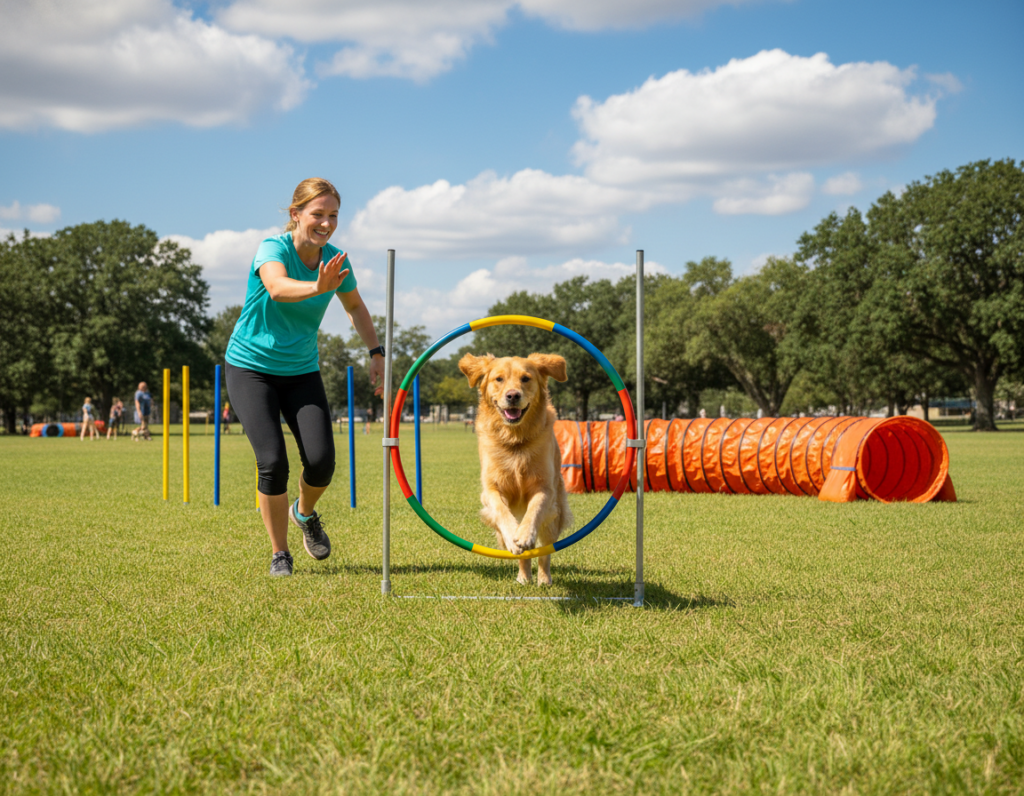
Sport options that grow teamwork
- Agility: speed, handling, and course memory.
- Scent work: nose-driven searches and focused pattern learning.
- Herding: instincts channeled into guided movement (breed-appropriate).
- Barn Hunt: problem solving and controlled searching in a playful format.
Choosing the right activity
Match the activity to temperament and health. High-energy breeds may love agility; scent-driven dogs often enjoy nose games. Consider age, joints, and vet advice before intense work.
Setting achievable goals
Start small: master foundations, join a beginner class, then aim for a title. Short, regular sessions keep training fun and consistent.
| Activity | What it asks | Starter goal |
|---|---|---|
| Agility | Speed, tight turns, handler cues | Complete a simple course |
| Scent work | Search patterns, focus on odor | Find target odor reliably |
| Barn Hunt | Search, controlled excitement | Work through a basic trial |
| Herding | Directional control, calm pressure | Basic directional responses |
At home, use nose games, rotating toys, or a mini obstacle course to keep the mind active. Over years, small, steady practices build trust and deepen the overall connection.
“Teamwork compounds: brief, regular practice beats rare, intense sessions.”
Conclusion
A few minutes of focused interaction each day can change how a dog feels about people.
Summarize the most effective ways: notice signals, use reward-based training, keep a steady routine, and prioritize short shared time. Small actions add up.
Remember that progress comes from many small things—brief play, a calm brush session, a short sniffy walk, and focused petting. Respect comfort zones and give space so the animal can opt in.
Start one activity today: try a three-minute training game, a sniff-focused walk, or a mindful pet session and repeat it for a week. Over time, repeated positive interactions build a strong bond for dogs and the whole family.
If fear or reactivity continues, seek a veterinarian or qualified trainer to protect the relationship and improve quality of life.